SAAD has never avoided the tensions and professional differences between doctors and dentists over who should give what to whom, where and when.
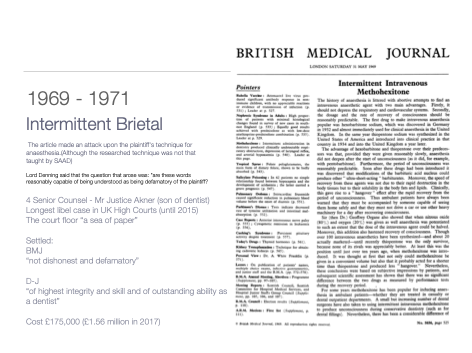
Methohexitone anaesthesia became the centre of a libel case that led to already existing tensions between SAAD and some sections of the medical anaesthetist community coming to a head. In 1969, the British Medical Journal published a paper on the use of intravenous methohexitone for conservative dentistry. The technique, and Drummond-Jackson himself, were both condemned, although the paper’s authors had not followed the technique promulgated by SAAD. When DJ’s request that the BMJ publish a statement of withdrawal was declined, he sued for libel.
What followed was the longest libel action in British legal history for fifty years. Concerned at its length, the presiding Judge, Mr Justice Acker, finally advised that the case be concluded, and that each party ‘exonerate the other from any ulterior motive’.
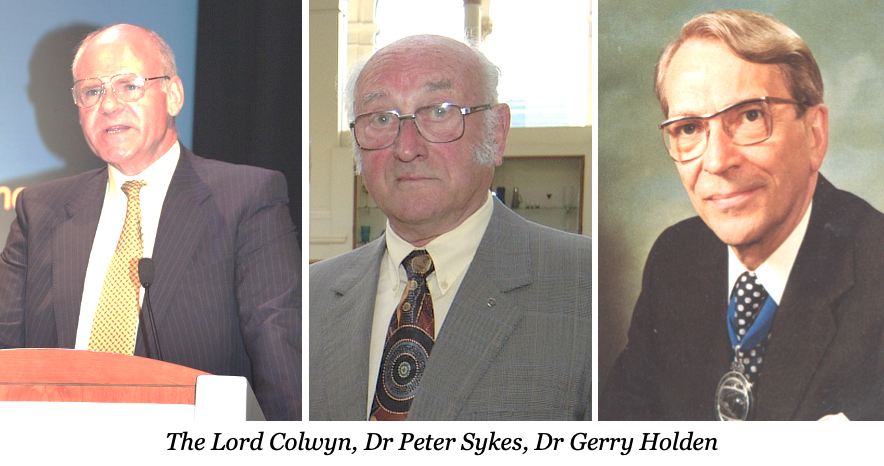
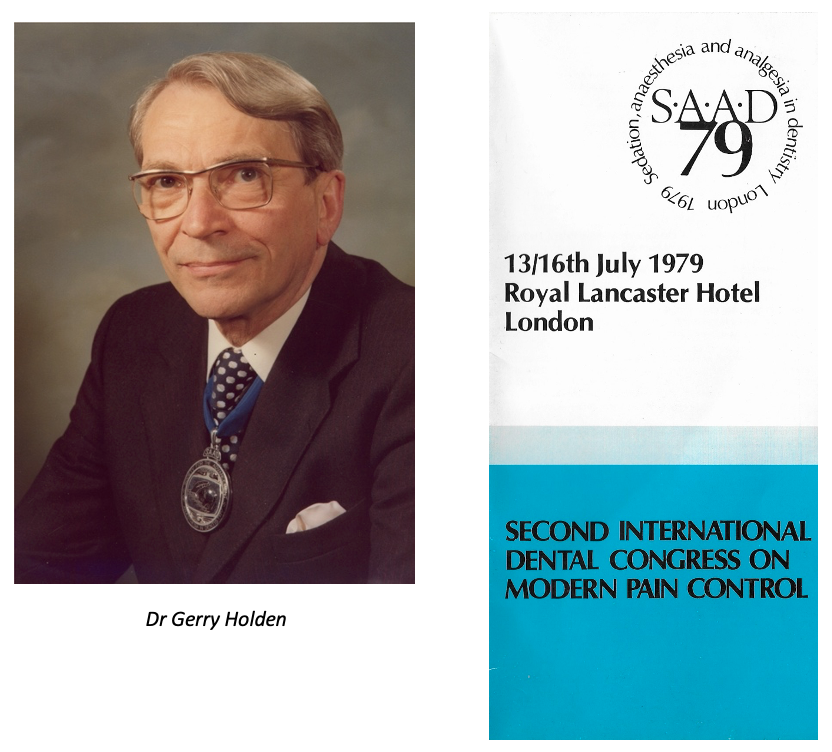
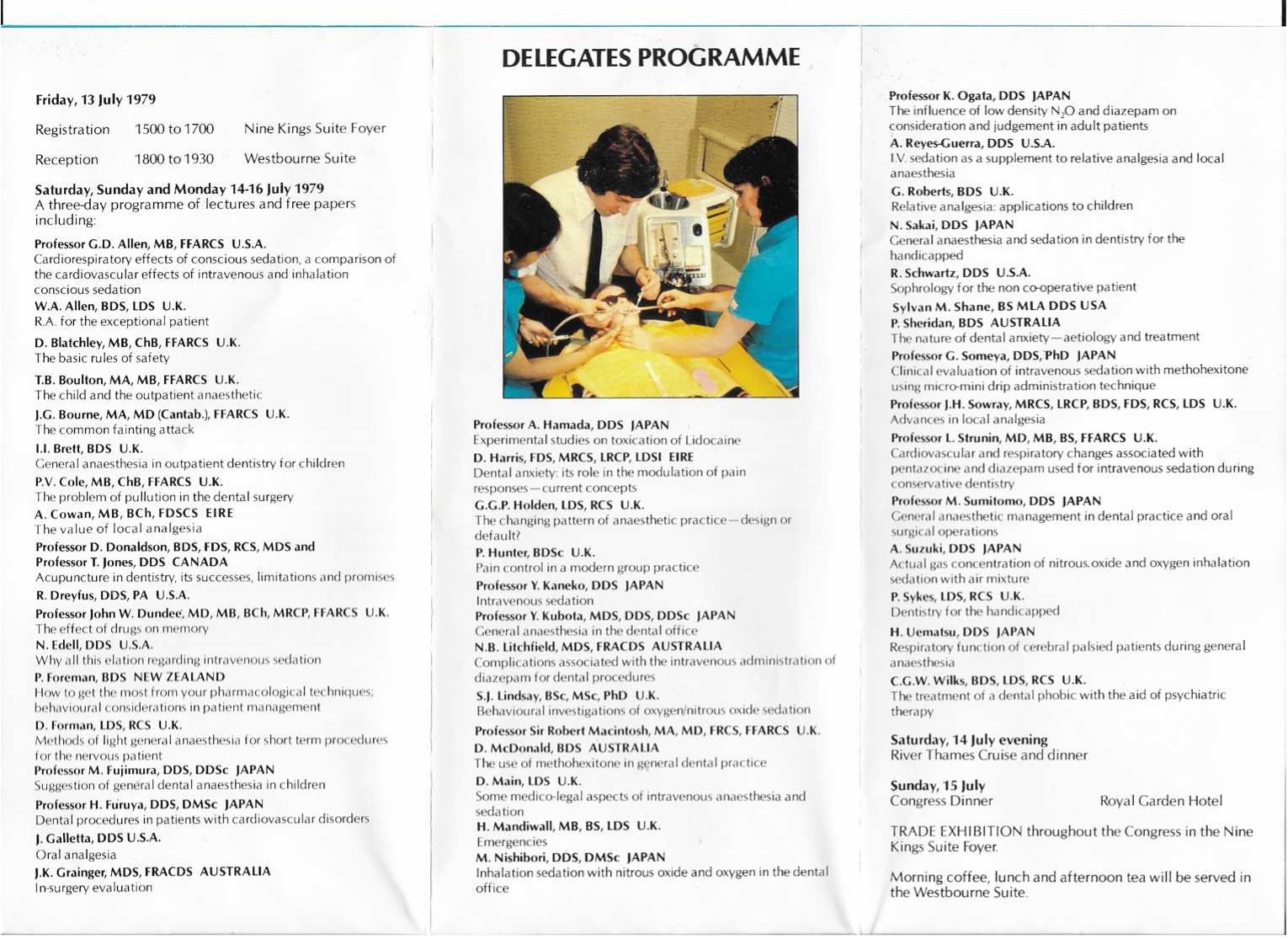
In the 1970’s SAAD had continued interest in developments in other countries and recognised the benefits of international cooperation. The society was keen to establish a formal international organisation. To that end SAAD offered to host an international meeting in London in 1979. Led by Dr Gerry Holden a general practitioner and member of The General Dental Council, who was SAAD’s president at the time. SAAD 79 was a huge success both academically and socially and it set the scene for triennial congresses for decades later. The meeting was considered important enough for the government to host a formal government reception at The Lancaster Hotel, St James’s.
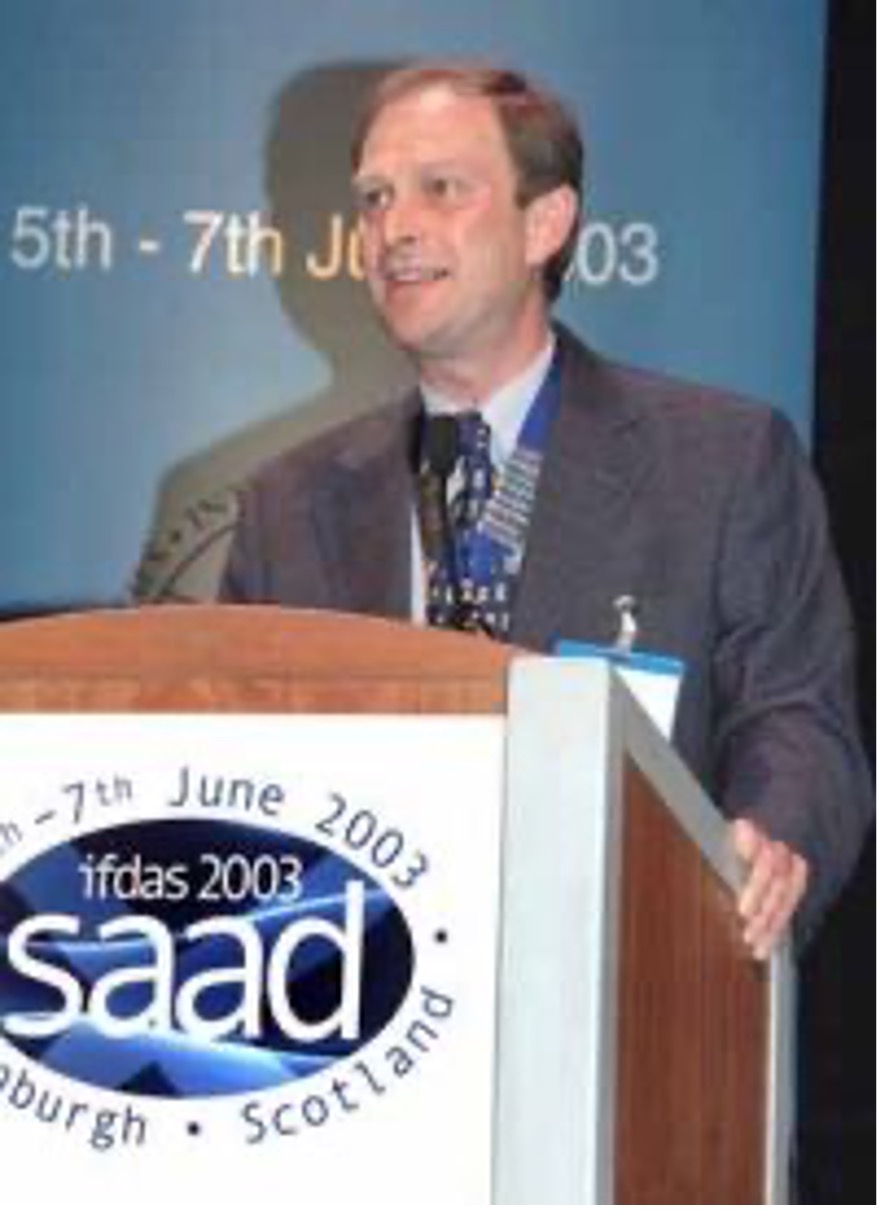
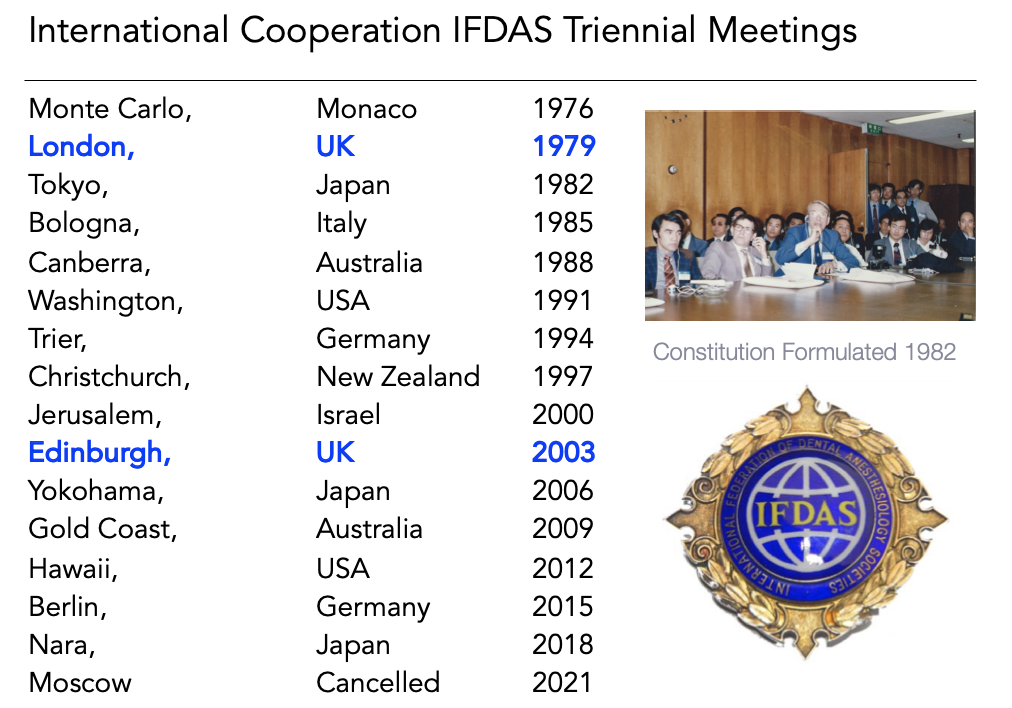
At SAAD 79 the foundations of a formal international federation were conceived which was to be formalised in 1982 at a subsequent congress in Tokyo, The International Federation of Anaesthesiology Societies. IFDAS formed an important conduit for developing and sometimes even harnessing national aspirations particularly in relation to guidance and regulation. The Federation appointed as its first Secretary General, SAAD Council member, Dr Peter Sykes. IFDAS flourished and gained new membership quickly and SAAD continued to fly its flag on the international stage at each of the triennial conferences.
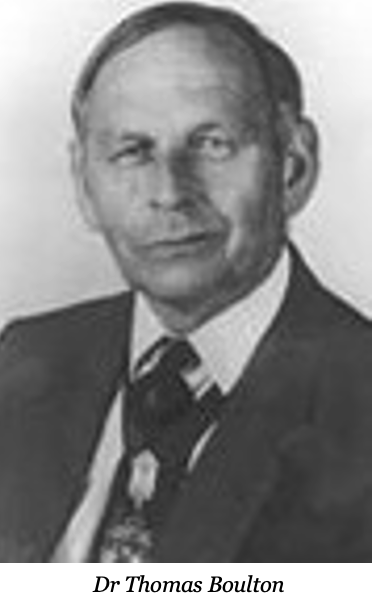
It was clear to most that doctors and dentists had to co-operate and collaborate in the provision of pain and anxiety control for dental patients, but it took a generation to heal the wounds of litigation and both professions viewed each other with some suspicion. Thankfully for SAAD, there were dentists and anaesthetists who saw beyond this narrow issue and Dr Thomas Boulton a consultant anaesthetist from Oxford and Reading and soon after President of The Association of Anaesthetists drew the professions together during his presidency of SAAD in 1980.
The need to teach both sedation and general anaesthesia in a structured way to ensure safety - especially outside of a hospital environment - was becoming increasingly evident to the dental profession. As a result, the medical and dental faculties of the medical royal colleges together with the General Dental Council produced guidance in 1981 with a view to training dentists in general anaesthesia. Several university training/service posts were created and many of these ‘Wylie Trainees’ subsequently went on to SAAD teaching posts, including Dr David Craig and Dr Christopher Holden. At that time some universities were providing a group of young dentists with formal training in general anaesthesia for dentistry during a full time postgraduate in-service training course. Most of these joined SAAD and lacking the baggage of recent history began to renew progress. After the legal case the Society continued to develop by insisting on academic competence, clinical excellence, and appropriate training pathways.
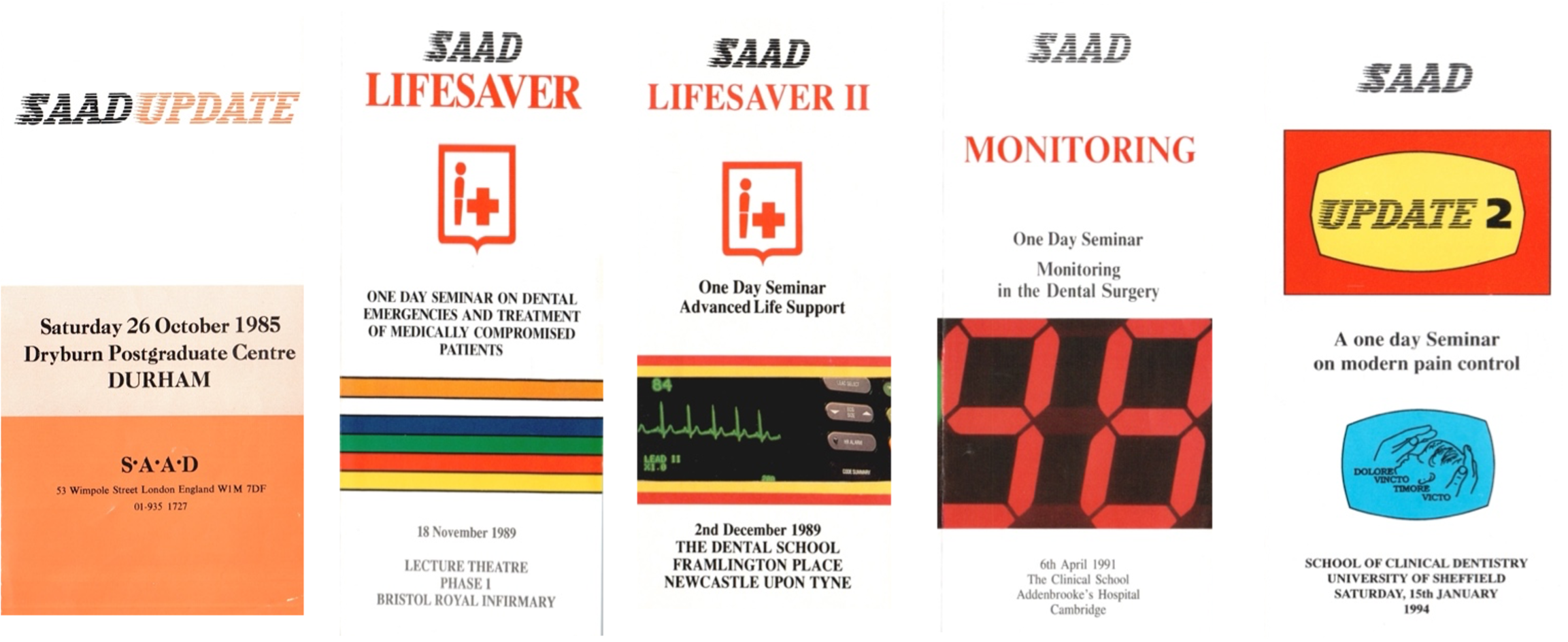
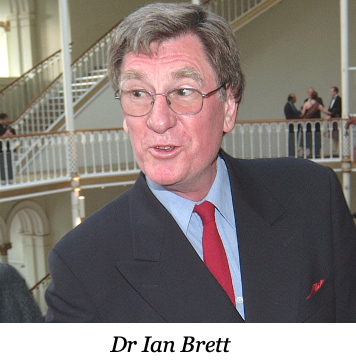
The early 1980s were financially difficult for the Society and but for a new and firm treasurer in Dr Ian Brett SAAD may well not have survived. Ian Brett was a general practitioner in Wimpole Street having taken over Stanley Drummond Jackson’s practice with The Lord Colwyn. Always unassuming Ian Brett coaxed the finances through good investment and wise spending control. This disciplined approach cemented the continuation of teaching until the late 1980’s when one day update courses started. Those courses turned around SAADs financial fortunes for decades to come.
In the 1980's the mainstay of SAAD's training remained two or three day courses with a large practical element. This became known as the "Main Course". During this time SAAD courses moved between the Eastman Dental Hospital, the Whittington Hospital, and the Royal Free Hospital at Hampstead, all necessitated by fluctuating numbers of course participants.
From 1980, SAAD began to promote inhalation sedation (also known as inhalational sedation, Relative Analgesia or RA). This psychosedative technique was imported from the USA and represented a very safe form of mild sedation, relying on maximal suggestion and minimal amounts of nitrous oxide with oxygen. Not to be confused with Entonox it was a hypnotic technique. This proved to be a good alternative for children who were less suited to intravenous techniques. In the mid-1980s, the need to improve the characteristics of intravenous diazepam (Valium) was recognised and a watershed in sedation was about to occur. Although when titrated diazepam produced moderate sedation, its effects were not totally predictable in teenagers who could become tearful and agitated from paroxysmal effects.
SAAD began to teach the use of intravenous Midazolam (Hypnovel / Versid) in preference to Valium in 1984/1985, with its training becoming more didactic in nature consequently, due to the potency of Midazolam over other benzodiazepines.
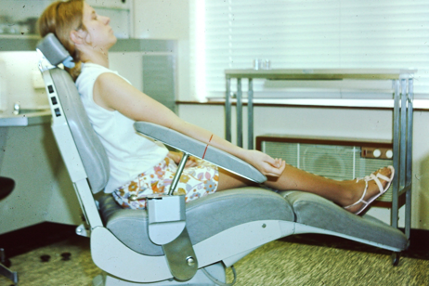
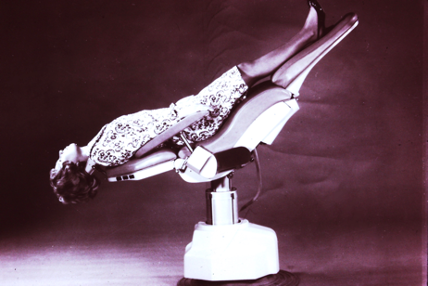
For a time the main course moved to the practice of Dr Peter Hunter in Acton London. Peter Hunter was a forward-thinking Australian dentist whose practice was technologically advanced in equipment, ergonomics and early computerisation.
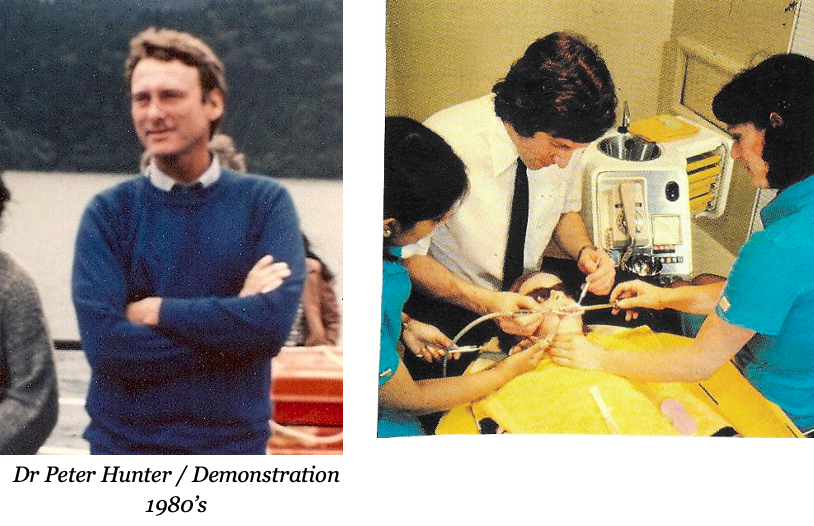
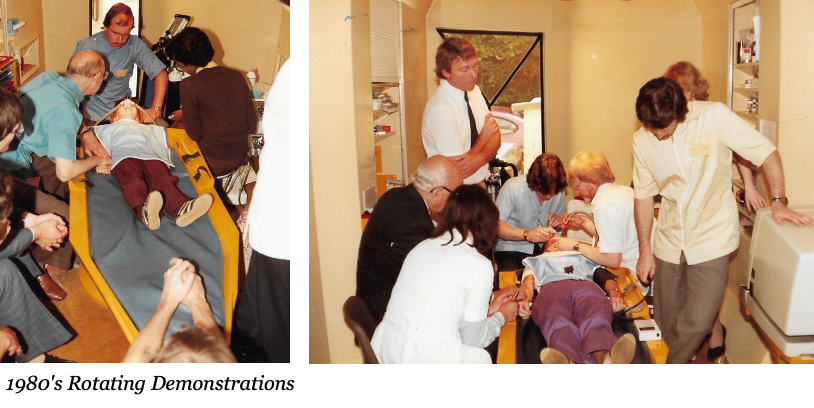
The facilities necessitated a rotation of small groups experiencing up to eight clinical cases a session. Peter Hunter always charismatic, and never still quickly realised the benefits of this style of training and decided to develop SAAD's seminars.
The course organisers during this time included Dr Brian Swinn a general practitioner from Southampton, and Dr Douglas Stewart who later emigrated to Australia to become an associate professor in dental sedation in Sydney. Following a move to St Bartholomew's Hospital in London, SAAD courses settled there until 2004. A new drive by sequential course director kept “The Main Course” as it had been known contemporaneous and a professional leader. The course developed into “The National Course in Conscious Sedation for Dentistry” reflecting SAAD as the largest postgraduate teaching organisation in this field in the UK.
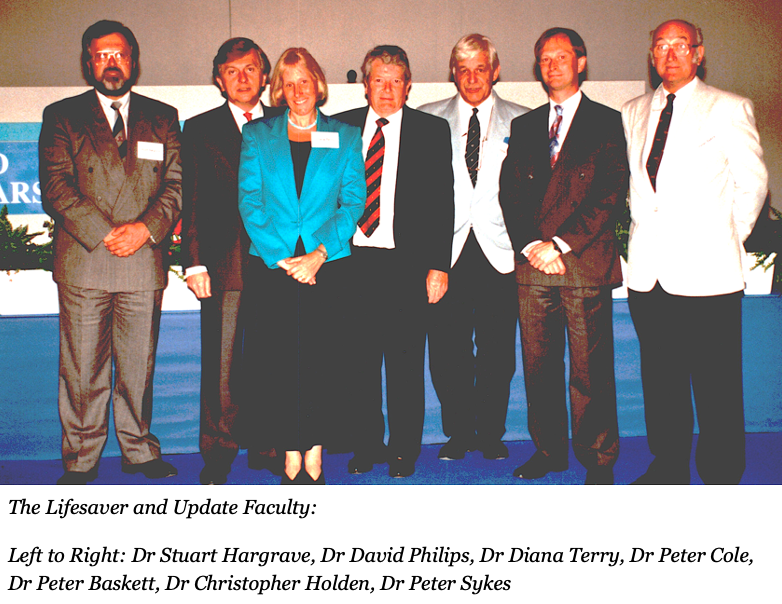
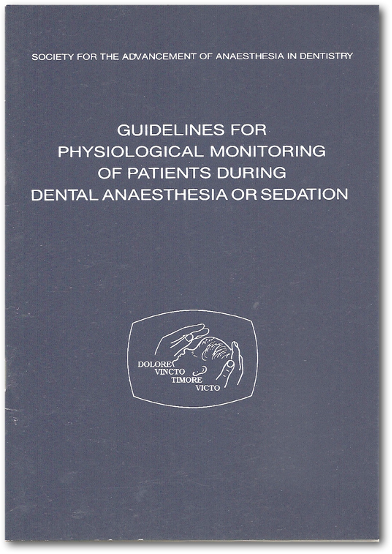
SAAD produced its first guidance document, Guidelines for Physiological Monitoring of Patients during Dental Anaesthesia or Sedation, in 1986. SAAD Council insisted that this should guidance whose goal was achievable by all but underpinned by a minimal standard. A working party was established chaired by Dr Peter Cole a consultant anaesthetist at St Bartholemews hospital, London, and included the youngest and oldest members of council. So it was authored jointly by SAAD dentists and anaesthetists, combining both academic opinion and the opinion of experienced clinicians in primary and secondary care.
SAAD’s educational mission became the teaching of conscious sedation and life support as opposed to general anaesthesia. Recognising the need for sedation courses to be consistent in content and presentation wherever they were offered, SAAD introduced the National Course in Conscious Sedation for Dentistry in 1987. The format of lectures and live patient cases continued, these being delivered by a growing faculty of dentists, doctors, and anaesthetists. As Christopher Holden comments: “SAAD became synonymous with simple, safe, titrated techniques that kept the patient sedated and comfortable but distant from the oblivion of general anaesthesia.”
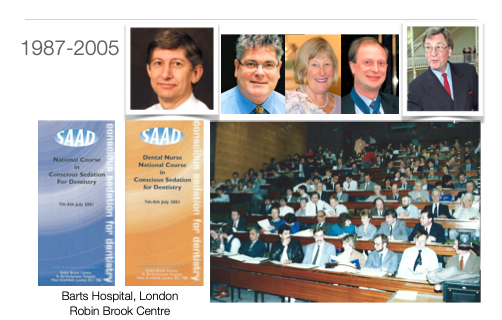
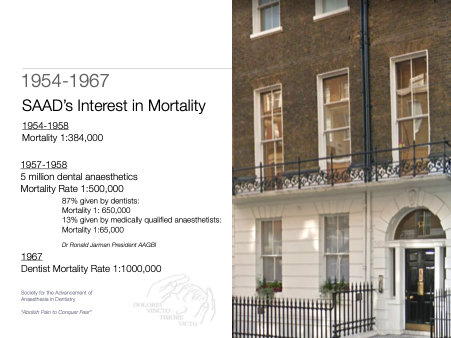
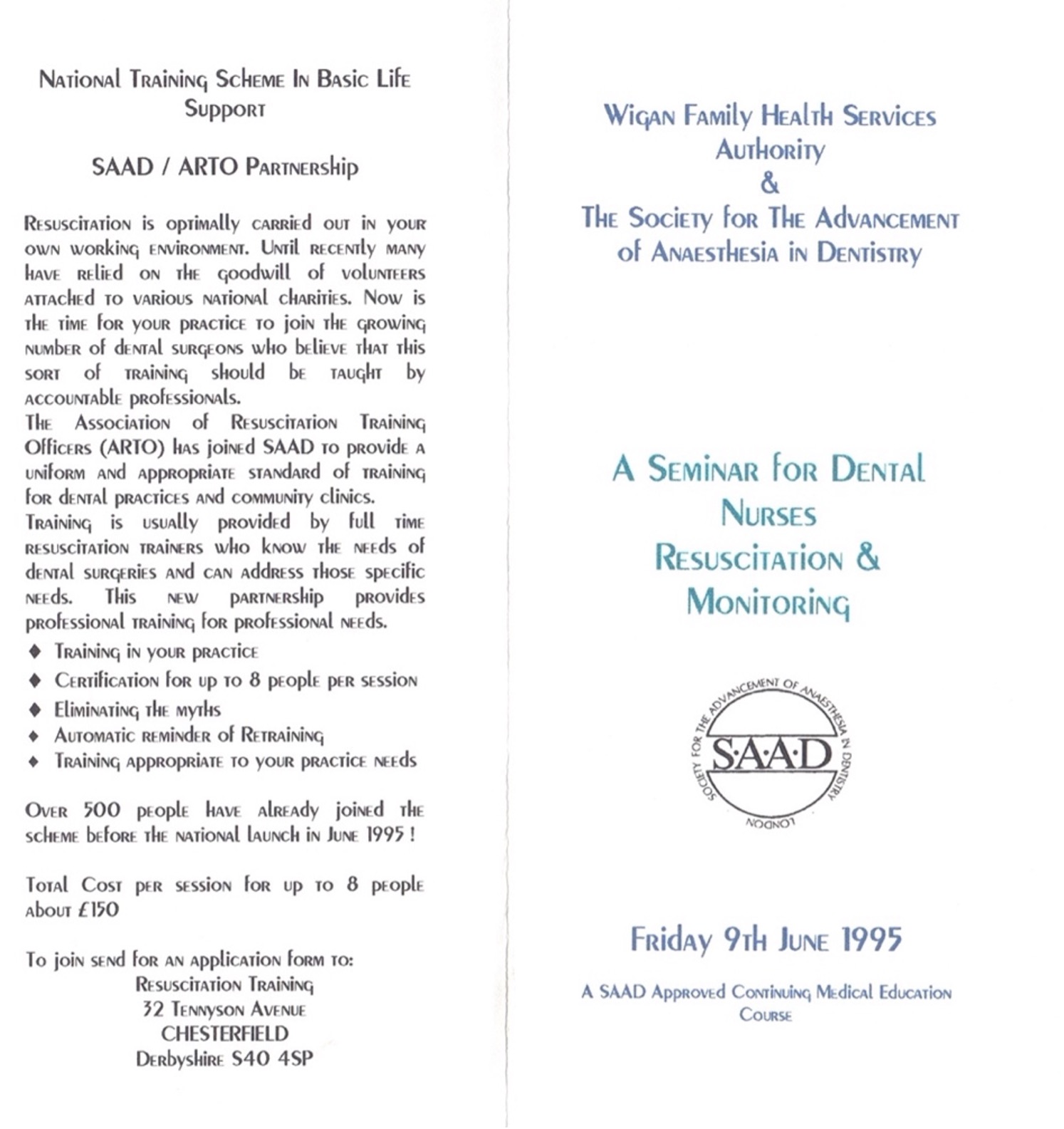
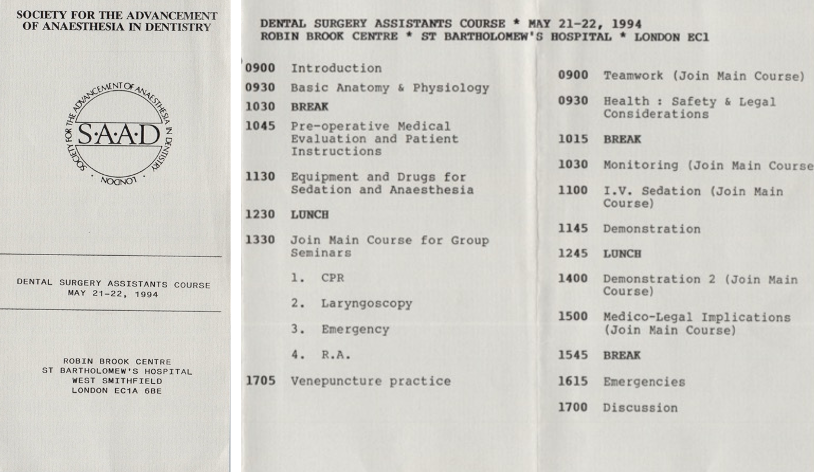
1987 also marked the beginning of the first course specifically designed for dental nurses, filling a gap in training identified by Dr Ian Brett. In fact, it had been proposed as early as 1965 that SAAD should offer a training course to dental nurses, but a lack of willing tutors prevented the idea from coming to fruition. The new course was first delivered at 53, Wimpole Street, London, Ian Brett’s practice. Peter Sykes commented that “represented one of the few specialised sources of training in anaesthetic nursing available to the dental nurse.”
During these years attendance at these courses was built as SAAD pushed towards standardised training. The plural nature of the faculty drew on the varied experience of university teachers, general dental practitioners, anaesthetists, and general medical practitioners.
The Society was beginning to develop a more structured training. The courses were relaunched as the National Course in Conscious Sedation for Dentists and Dental Nurses. Both programmes were fully audited continuing professional education programmes offered on a national scale. The new style training and the travelling seminars overcame SAAD's financial difficulties, and the society became financially secure.



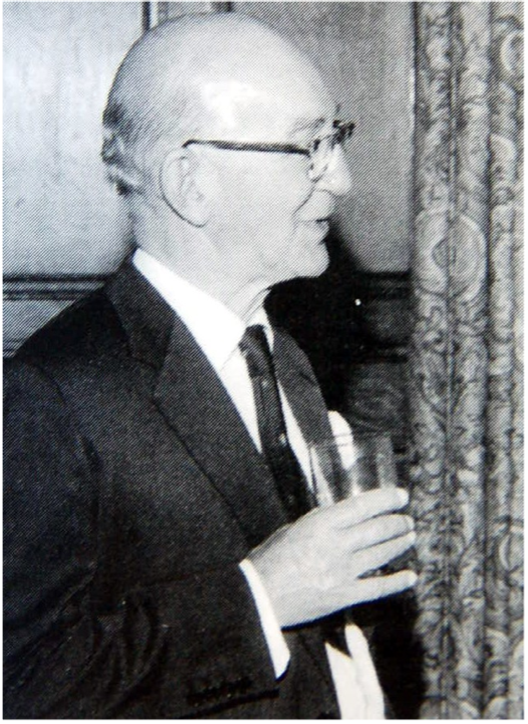
 Alan Thompson