RP banner 2026

Download article 2

Please click on the tables and figures to enlarge


 The combined use of oral / transmucosal midazolam sedation with IV remimazolam for special care patients – a case series


N. Storch*1 BDS
M. Doshi2 BDS (Hons) MSc (Spcsed)
1Dental Core Trainee, East Surrey Hospital, Canada Avenue, RH1 5RH
2Consultant in Special Care Dentistry, East Surrey Hospital, Canada Avenue, RH1 5RH
*Correspondence to: N. Storch
Email: nicola.storch@nhs.net
DOI: 10.63507/RHEB8576


Abstract


Introduction
Remimazolam, a short-acting benzodiazepine, is increasingly being used for dental sedation in the UK. Current guidance from the Intercollegiate Advisory Committee on Sedation in Dentistry advises that remimazolam and midazolam should not be used together routinely. At the time of writing, no published literature described the combined use of oral / transmucosal midazolam with intravenous remimazolam.

Case series
This paper presents a series of cases in which midazolam pre-medication was followed by intravenous remimazolam to support patients in special care undergoing dental treatment. Pre-medication ranged from 10 to 20 mg of midazolam and included both intranasal and oral forms. Patient factors influencing the choice to use remimazolam included an increased risk of respiratory depression, dysphagia, the previous need for flumazenil, and patient age. 

Outcomes
In all cases, recovery was uneventful with no need for supplemental oxygen or use of flumazenil. Recovery times ranged from 25 to 57 minutes. The combined use of midazolam and remimazolam is beneficial in patients where a faster return to baseline is desired.


Key learning points


  • At present, no literature describes the combined use of oral / transmucosal midazolam and intravenous remimazolam for dental procedures
  • In this case series, treatment was completed successfully with no adverse events
  • More evidence is needed to assess the synergistic effects of these two drugs to justify the combined use.

Introduction


Conscious sedation is a well-established technique that enables the safe and effective delivery of dental care for patients with special needs, including those with learning disabilities, autism and dementia. In some cases, these patients cannot tolerate the placement of a cannula, and adjunctive methods may be required. These methods can include planned clinical holding by trained staff, topical local anaesthesia, inhalation sedation with nitrous oxide, or oral or transmucosal midazolam to facilitate safe cannulation. Transmucosal or oral sedation with midazolam, often followed by intravenous (IV) midazolam, has been successfully used in special care dentistry for many years, significantly improving access to a range of dental treatments for these patient groups.1

Remimazolam, a short-acting benzodiazepine, is increasingly being used for dental sedation in the UK across all areas. Its rapid onset and metabolism offer potential advantages, particularly in special care dentistry, where a fast uptake and quicker recovery to baseline may enhance patient experience and safety.2, 3 The Intercollegiate Advisory Committee on Sedation in Dentistry (IACSD) issued interim guidance in 2022, advising that remimazolam and midazolam should not be used together routinely or without clear justification in primary care settings.4 At the time of writing, no published literature describes the combined use of midazolam pre-medication with IV remimazolam.

For over 30 years, midazolam has been an effective and safe drug for conscious sedation in special care dentistry. However, one disadvantage of midazolam is its variable recovery time.5 Even with an excellent safety record in dentistry and generally low incidence of complications in dental settings, all benzodiazepines carry a risk of respiratory depression, particularly at higher doses.6 The metabolism and excretion of midazolam can be significantly prolonged in older patients or those with impaired hepatic or renal function, which increases recovery times.7

IV remimazolam offers several clinical advantages over midazolam, the most notable being its significantly faster recovery time, typically ranging from 10 to 40 minutes, compared to 20 to 80 minutes with midazolam.8 It also has a more rapid onset of action, occurring within one to two minutes, compared to approximately three minutes for midazolam.9 Remimazolam demonstrates a much shorter half- life of around 0.75 hours,9 and has nearly three times the elimination clearance of midazolam, owing to its metabolism by tissue esterases rather than hepatic pathways.8 This pharmacokinetic profile contributes to its more predictable and rapid clearance, which is particularly important in patients with hepatic or renal impairment. These properties make remimazolam particularly well suited for use in short dental procedures where a quick return to cognitive and motor baseline is desirable, as well as in patient groups where prolonged recovery may pose additional risks, such as older adults, medically compromised individuals, or those with a history of delayed prolonged sedation with midazolam.

Midazolam is frequently used as a pre-medication in various forms. Transmucosal midazolam has a rapid onset and reaches a maximum concentration around 10 to 14 minutes. In contrast, the oral form takes 15 minutes or longer, resulting from lower bio-availability due to extensive first-pass metabolism.7 Both remimazolam and midazolam enhance GABA activity; however, there are no specific studies on their potential interactions. Concomitant benzodiazepines may result in higher plasma concentrations and have an increased risk of toxicity. However, this is based on competition for the same substrates during metabolism.8, 10 Remimazolam and midazolam are metabolised by different enzymes, which may counteract this risk.

The oral bio-availability of remimazolam is negligible, rendering it unsuitable for oral premedication. Limited studies are available on the use of intranasal remimazolam, which reduced pre-operative anxiety in children,11 but has been associated with nasal discomfort.12

Combining oral or nasal midazolam with IV remimazolam may lead to a reduction in overall recovery time. However, due to pharmacokinetics, remimazolam is likely to wear off before midazolam.

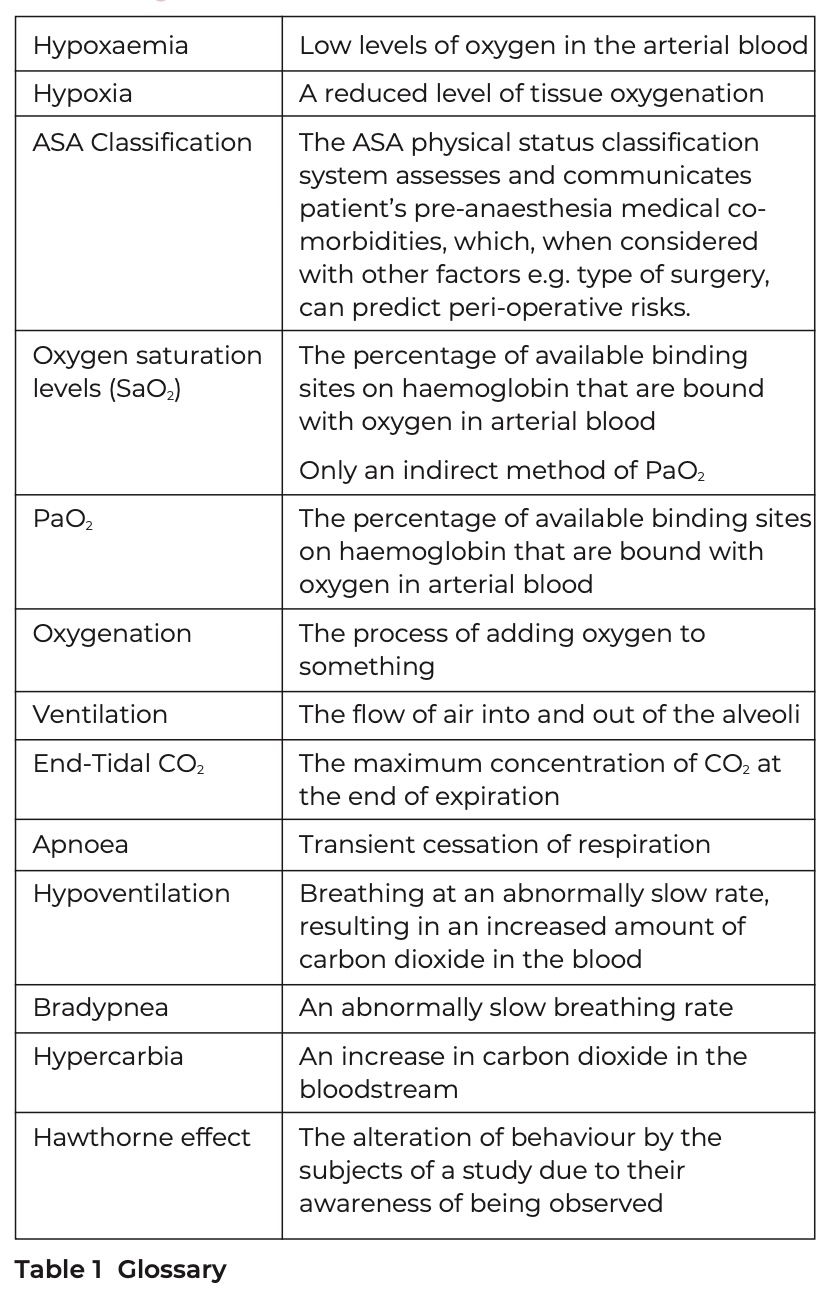
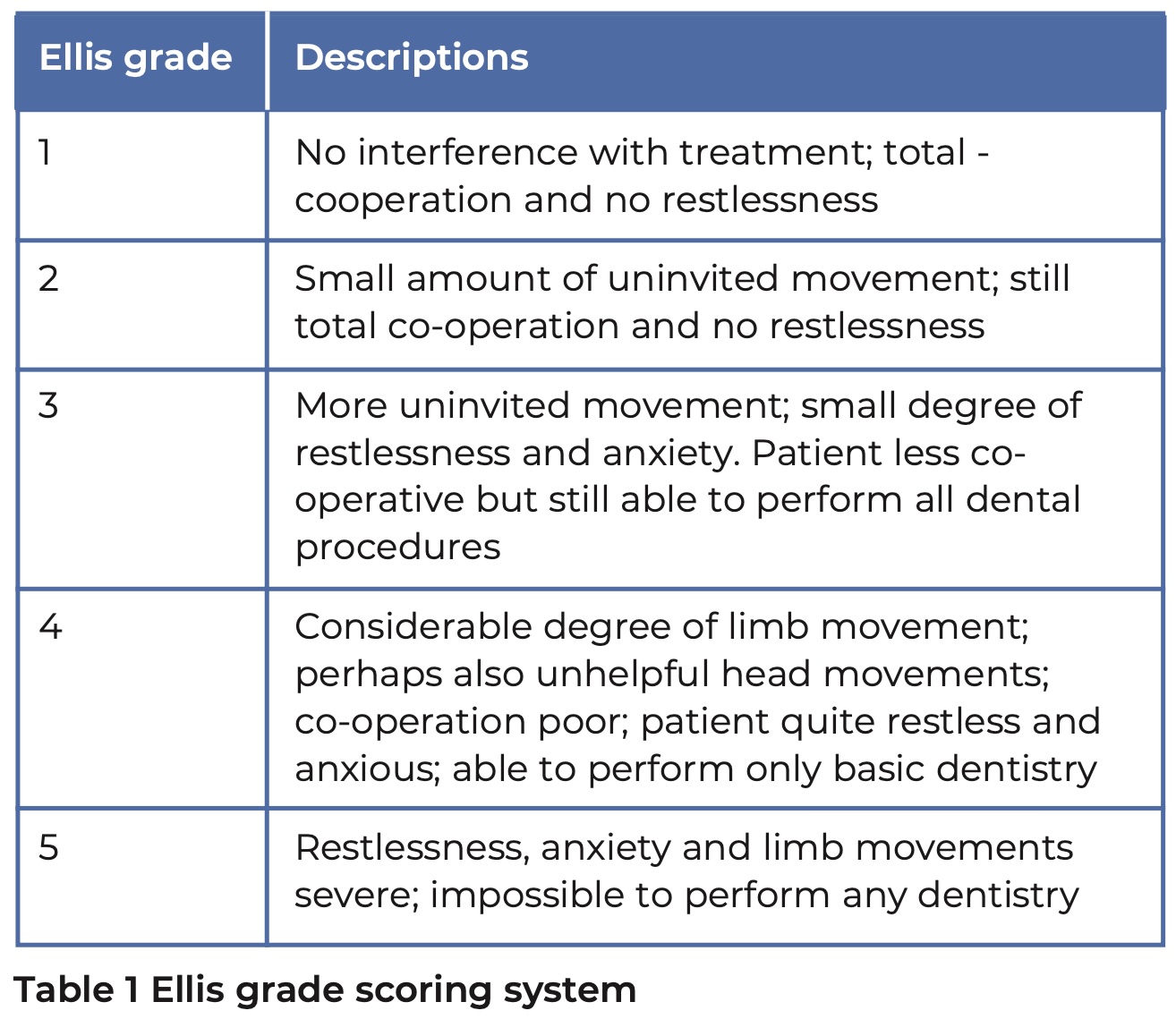
This paper presents a series of cases in the Special Care Dental Service at Surrey and Sussex Health Care NHS Trust where midazolam pre-medication was followed by IV remimazolam, illustrating how this approach can facilitate faster recovery, particularly when initial sedation is administered via oral or transmucosal routes. The team at Surrey and Sussex Healthcare NHS Trust is experienced in sedation and based on early clinical use of remimazolam, has adjusted the starting dose from the manufacturer's recommended guidelines of 7 mg to 5 mg as standard, and from 5 mg to 3 mg for older and more medically complex patients, with maintenance increments of 1 to 2 mg at a minimum interval of 2 minutes.13 Treatment was carried out in a dental clinic setting with a dentist providing the sedation and the Ellis grade scoring system was used to assess co-operation (Table 1).14

Case 1 – a patient with Down’s syndrome


A 58-year-old patient with Down’s syndrome attended the special care dentistry department for radiographic examination and treatment of carious teeth under sedation. Medically, the American Society of Anaesthesiologists grading (ASA) was 3 with a severe learning disability, autism, anxiety and well-controlled epilepsy. Previously, he had been seen on a domiciliary visit where only a limited examination revealed multiple carious lesions. There were concerns from his carers that he was in pain.

This patient had a short neck with excess soft tissue, which contributed to airway considerations; therefore, remimazolam was chosen for finer control over sedation levels.

Pre-operative observations were not possible due to a lack of co-operation, and the patient had a history of challenging behaviour, being unable to accept blood tests. Subsequently, a 20 mg oral midazolam was administered, allowing for the successful cannulation and titration of 7 mg (in increments of 3 mg, 2 mg, and 2 mg) of IV remimazolam over 10 minutes. The completed treatment included an examination, radiographs, and the extraction of three grossly carious teeth, along with blood test samples for his general practitioner. During the procedure, oxygen saturation levels dropped below 90%, which was effectively managed with an airway manoeuvre (head tilt, chin lift). There was an uneventful recovery, and the patient was discharged 57 minutes after the last dose of remimazolam was provided.


Case 2 – previous midazolam sedation requiring flumazenil


A 34-year-old patient with a severe learning disability and autism attended for examination under sedation. He had an ASA classification of 2 and was otherwise fit and well. Due to his behaviour, it was not possible to undertake any form of oral assessment. He underwent an examination under sedation with nasal and IV midazolam five years ago, during which he required full mouth debridement and no additional dental procedures. Recovery has been challenging as he wanted to get up and leave before the effects of the midazolam had worn off, posing a risk of falling and injuring himself, resulting in 500 micrograms of flumazenil being administered to support a safer recovery.

Since then, no examinations have been possible due to limited co-operation, and the patient has found it increasingly difficult to leave his home following the COVID-19 pandemic. Sedation was chosen over a general anaesthetic as treatment needs had been low in the past. Remimazolam was selected for the faster recovery, given the sedation history.

To facilitate cannulation, 20 mg of oral midazolam was administered, followed by 16 mg of remimazolam titrated over 12 minutes. Sedation scoring was 3, and the Ellis grade was 3, with movement and a strong bite hindering the obtaining of diagnostic radiographs. Nevertheless, a comprehensive examination and a glass ionomer restoration of a carious third molar were performed. Blood test samples were collected as required by his general medical practitioner to evaluate his overall health. Recovery was uneventful, and he was discharged 39 minutes later. A decision was made that anaesthetist-led sedation or general anaesthesia would be necessary in the future to facilitate full-mouth radiographs and to assess the quality of the restoration placed.


Case 3 – a patient with severe dysphagia and aspiration risk


A 43-year-old patient attended for treatment under sedation. She had Cri du Chat syndrome, severe learning disability, and dysphagia, resulting in an ASA of 2. She had experienced multiple episodes of sedation, on average every two years, requiring debridement and extraction of teeth due to periodontal disease. Her carers found it very challenging to undertake oral care due to tight oral musculature and care- resistant behaviour. A limited examination was possible, revealing extensive calculus and gingivitis.

Remimazolam was selected because only a brief period of sedation was necessary. The patient’s dysphagia made greater control over the sedation duration and a quicker return to baseline desirable to minimise the aspiration of oral secretions during recovery.

As a premedication, 10 mg of intranasal midazolam was administered, followed by 13 mg of remimazolam over 20 minutes. The sedation score was 3, and the Ellis grade was 3. Excessive movement and gagging prevented acceptable intraoral radiographs but permitted thorough full-mouth debridement. Blood test samples were taken again. Recovery was uneventful, and she was discharged 37 minutes after the last dose of sedation.


Case 4 – an older patient requiring dental extractions


A 71-year-old patient attended for dental extractions of mobile anterior teeth that were causing him pain. Medically, he had a severe learning disability, hypothyroidism, fatty liver disease and agoraphobia with an ASA of 3. Existing co-operation was limited, with only a very brief examination possible.

Initially, oral sedation was not planned since cannulation had been successful in previous IV sedation procedures. However, the patient became upset during cannulation and left the room. At this point, 10 mg of oral midazolam was administered; a reduced dose was used due to the patient’s age. The baseline saturation dropped from 96% to 94% before successful cannulation, and IV remimazolam was chosen due to the anticipated short duration. Older patients also have a higher risk of prolonged recovery and falls, so a faster recovery time is desirable.

Only 2 mg of remimazolam was needed, allowing the successful clearance of the two remaining mobile anterior teeth with a five minute surgery time. Recovery was uneventful, and the patient was discharged 25 minutes later.


Discussion


These four cases demonstrate that combining IV remimazolam with with oral / transmucosal midazolam is a potentially effective technique that benefits special care patients for various reasons. A summary is presented in Table 2. All cases were performed by a consultant in special care dentistry who has previously treated three of these patients under sedation with midazolam and reported a smoother and faster recovery.
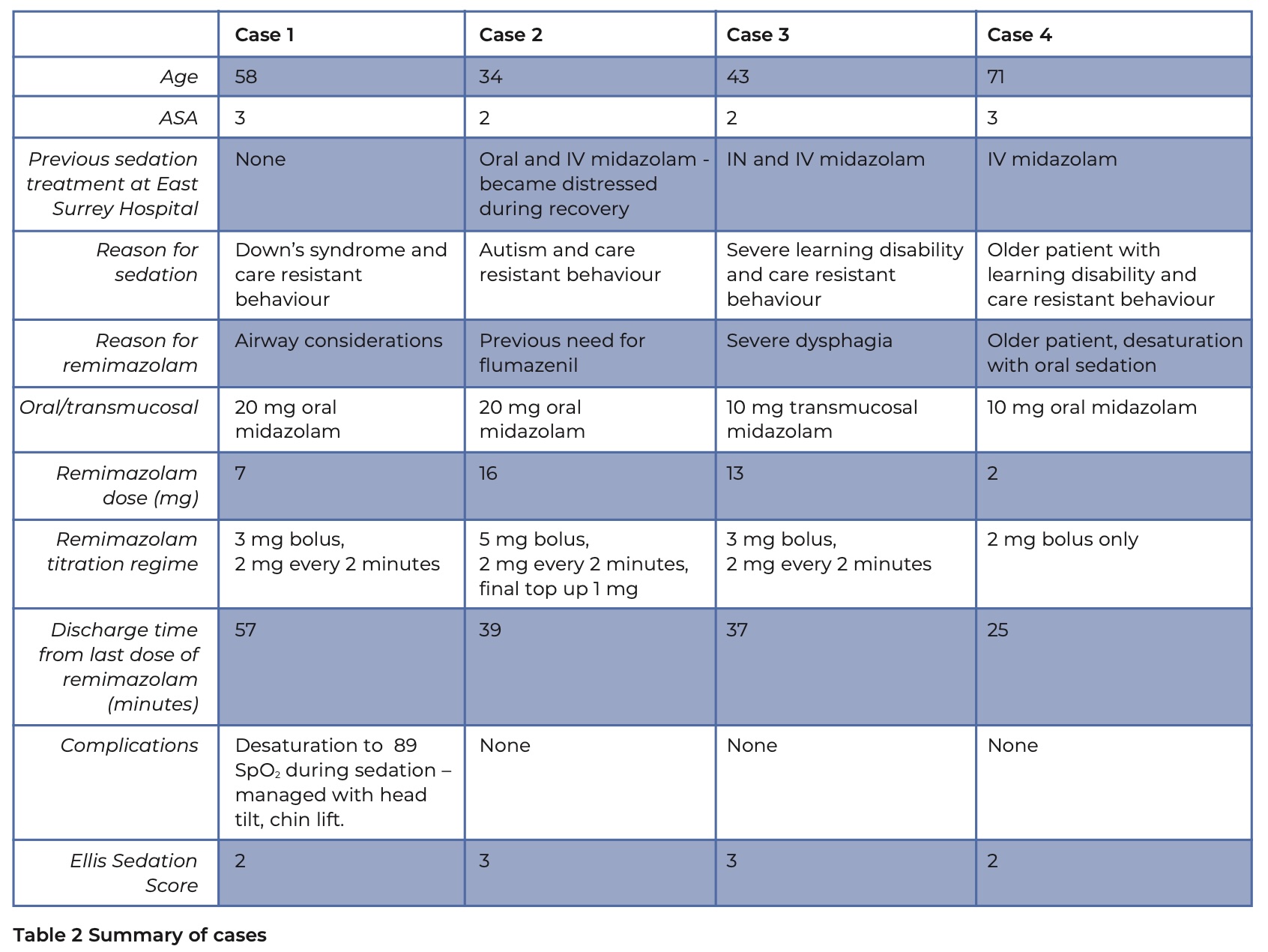
No significant complications were observed, and no supplemental oxygen or flumazenil was required. In case one, there was minimal desaturation, which was managed effectively with a chin lift. Patients with Down’s syndrome are well documented to have short and narrow airways, which can result in difficulties with intubation and an increased risk of respiratory depression or post-operative respiratory tract infections,15 therefore remimazolam was beneficial in minimising the risk of respiratory depression. 

Treatment was completed in all cases and included examinations, extractions, scaling, and blood tests. Satisfactory radiographs could not be obtained in cases two and three due to patient movement; however, these patients had also been unable to tolerate radiographs during previous midazolam-only sedation.


Recovery 


The recovery time following the last dose of remimazolam ranged from 25 to 57 minutes, with an average of 39.5 minutes. There was no pattern between the total dose of remimazolam or oral / transmucosal midazolam and recovery time. This is higher than reported findings from similar case series, which reported 23 to 27 minutes with remimazolam alone,2, 3 and at the higher end of remimazolam recovery times which are reported to be 10 to 40 minutes. However, this is still shorter than midazolam, which ranges from 20 to 80 minutes.8 The comparatively prolonged recovery is most likely due to the midazolam taking longer to wear off than the remimazolam itself. In all cases, recovery was uneventful and minimised distress for a cohort of patients who all had learning disabilities and were at increased risk of becoming agitated post-operatively.

In patient three, whose treatment lasted under five minutes, remimazolam enabled the completion of care while preventing the prolonged recovery period that might have otherwise occurred. It is often during the recovery phase, when patients are no longer stimulated, that there is a risk of respiratory depression. A shorter, more predictable recovery period is particularly advantageous in older patients. As the special care dentistry population ages, the use of remimazolam may prove increasingly valuable, given that older adults are more sensitive to sedative medications and often experience extended recovery with midazolam.


Limitations


One notable disadvantage of remimazolam compared to intravenous midazolam is its significantly higher cost, with a 20 mg remimazolam vial costing £18.75 versus £1.36 for a 5 mg/5 ml midazolam ampoule at time of writing.16, 17 For context, in our Trust pharmacy the oral formulation of midazolam (Miprosed®) used costs £20.85 per 7.5 ml bottle and a vial of concentrated midazolam 40 mg/ml for transmucosal use costs £26.85 per 0.5 ml vial. In the cases discussed, the decision to use remimazolam was based on improved patient outcomes. For example, in case one, the patient may otherwise have required referral for treatment under anaesthetist-led sedation in a theatre setting, a pathway that would have been far more resource-intensive and costly. 

This case series is limited to four patients, and while the initial outcomes are promising, further evaluation is needed. Future research should include larger-scale studies and formal cost– benefit analyses to better understand the value of remimazolam in routine special care dentistry practice.


Conclusion


The combined use of IV remimazolam following oral / transmucosal midazolam in this case series was safe, with no adverse events and successful completion of treatment in all cases. Recovery was uneventful, even among patients with complex needs and a history of prolonged or challenging sedation. However, an important consideration when combining benzodiazepines is that remimazolam’s effects may wear off before the sedative effects of oral or transmucosal midazolam have fully resolved. 


Acknowledgements


The authors would like to thank the special care dentistry department at East Surrey Hospital for their support.


Declaration of Interest


The authors declare no conflict of interests.


References


1. Ransford N J, Manley M C G, Lewis D A, et al. Intranasal/intravenous sedation for the dental care of adults with severe disabilities: a multicentre prospective audit. Br Dent J. 2010 Jun;208:565–9. DOI: 10.1038/sj.bdj.2010.501

2. Doshi M, Prasad R, Reilly D. A service evaluation of the use of IV sedation with remimazolam for adults with an acquired brain injury. SAAD Dig. 2025;41. DOI: 10.63507/QLKO2726

3. Liow A M, Akuffo N, Yeo X H, Clough S. Remimazolam as a sedative for dental procedures: a case series. SAAD Dig. 2025;41. DOI: 10.63507/QATP4875

4. Intercollegiate Advisory Committee for Sedation in Dentistry. Remimazolam for intravenous conscious sedation for dental procedures - IACSD standard on clinical use and training [Internet]. 2023. Online information available from: https://www.rcseng.ac.uk/-/media/fds/iacsd/iacsd-remimazolam-statement-130623.pdf (Accessed May 2025)

5. Dao V A, Schippers F, Stöhr T. Efficacy of remimazolam versus midazolam for procedural sedation: post hoc integrated analyses of three phase 3 clinical trials. Endosc Int Open. 2022 Apr;10:E378–85. DOI: 10.1055/a-1743-1936

6. Shehabi Z, Flood C, Matthew L. Midazolam use for dental conscious sedation: how safe are we? Br Dent J. 2018 Jan;224:98–104. DOI: 10.1038/sj.bdj.2017.1042

7. Prommer E. Midazolam: an essential palliative care drug. Palliative Care and Social Practice. 2020 Jan;14:2632352419895527. DOI: 10.1177/2632352419895527

8. Kim K M. Remimazolam: pharmacological characteristics and clinical applications in anesthesiology. Anesth Pain Med. 2022 Jan 31;17:1–11. DOI: 10.17085/apm.21115

9. Zhang L, Li C, Zhao C, You Y, Xu J. The comparison of remimazolam and midazolam for the sedation of gastrointestinal endoscopy: a meta-analysis of randomized controlled studies. Afr H Sci. 2022 Aug 1;22:384–91. DOI: 10.4314/ahs.v22i2.44

10. Timpe Behnen E, Langley J. Ask the Expert: Multiple Benzo Prescriptions. Pract Pain Manag. 2014;14.

11. Long X, Wen L, Yang H, Zhu G, Zhang Q, Jiang J, et al. ED95 of remimazolam in nasal administration for attenuating preoperative anxiety in children. Front Med. 2023 Aug 23;10:1253738. DOI: 10.3389/fmed.2023.1253738

12. Pesic M, Schippers F, Saunders R, Webster L, Donsbach M, Stoehr T. Pharmacokinetics and pharmacodynamics of intranasal remimazolam—a randomized controlled clinical trial. Eur J Clin Pharmacol. 2020 Nov;76:1505–16. DOI: 10.1007/s00228-020-02984-z

13. European Medicines Agency. Byfavo: EPAR - Product Information [Internet]. European Medicines Agency; 2021 [cited 2025 May 31]. Available from: https://www.ema.europa.eu/en/medicines/human/EPAR/byfavo

14. Ellis S. Response to intravenous midazolam sedation in general dental practice. Br Dent J. 1996 Jun 8;180(11):417-20. DOI: 10.1038/sj.bdj.4809108. PMID: 8762804.

15. Pelli M, Loffredo C, Menna C, Fiorelli S, Massullo D. Anesthetic Management of an Adult Patient With Down Syndrome for Thoracic Surgery. Cureus [Internet]. 2021 Aug 12 [cited 2025 Apr 24]; Available from: https://www.cureus.com/articles/46921-anesthetic-management-of-an-adult-patient-with-down-syndrome-for-thoracic-surgery. DOI: 10.7759/cureus.17130

16. Joint Formulary Committee. Remimazolam Medicinal Forms [Internet]. British National Formulary; [cited 2025 May 31]. Available from: https://bnf.nice.org.uk/drugs/remimazolam/medicinal-forms/

17. Joint Formulary Committee. Midazolam Medicinal Forms [Internet]. British National Formulary; [cited 2025 May 31]. Available from: https://bnf.nice.org.uk/drugs/midazolam/medicinal-forms/
RP banner 2026

Download article 2

Please click on the tables and figures to enlarge


 IV sedation in an adult dental health department: a single-centre two cycle audit


Z. Ahmed*1
D. Parmenter2
T. Friend3
M. Dorri4
1 Dental core trainee
2 Specialty Trainee in Prosthodontics
3 Specialist Endodontist
4 Consultant in Restorative Dentistry
Restorative Department, University Hospital Bristol and Weston Dental Hospital, NHS Foundation Trust, Bristol, UK.
*Correspondence to: Dr Zunera Ahmed
Email: Zunera.ahmed@nhs.net
DOI: 10.63507/IFIG2959


Abstract


Aims

  • To evaluate the sedation service provided by the Adult Dental Health department (ADH), Bristol Dental Hospital (BDH), in accordance with the Intercollegiate Advisory Committee for Sedation in Dentistry (IACSD) 2020 Standards
  • To evaluate the efficiency of the sedation service provided for NHS priority group patients.

Methods
Retrospective data collection of 39 adult dental health patients who had intravenous (IV) sedation over a 24-month period. Data was assessed in accordance with the standards provided in IACSD 2020. NHS service evaluation factors were also assessed.

Results
Based on the IACSD standards and the SAAD safe sedation practice scheme (2023) the department was compliant with the majority of factors evaluated. One complication was recorded: an allergic reaction to a pre-operative antibiotic (Clindamycin). The average dose of midazolam administered was 9.0 mg and the average duration of procedure was 98 minutes. 71% of patients did not have an anxiety score or alternative anxiety management options recorded. The median wait time between sedation assessment and treatment was 8.5 weeks, with COVID-19 protocols a predominant cause of delay for treatment.

Conclusion
Bristol Dental Hospital provided an efficient and safe service for IV sedation for NHS priority groups. An action plan has been devised to ensure that the service provided is in accordance with the IACSD 2020 standards. A pre-operative sedation proforma will include airway assessment and BMI. The indicator of sedation need (IOSN), anxiety questionnaire will also be made available in the department to allow anxiety assessment and discussion for alternative anxiety management options. 


Key learning points


  • Ensure patients are receiving thorough airway assessments prior to sedation, particularly patients who have had head and neck surgery or developmental defects
  • Follow a clear protocol for reversal of sedation cases
  • Integrate the use of IOSN within pre-operative assessments.

Introduction


Conscious sedation is a method of pharmacological anxiety management. The technique involves the administration of a single drug or drugs which induce a state of central nervous system depression. The patient remains semi-conscious and verbal contact is maintained throughout the procedure. Conscious sedation can be administered via oral, intravenous, intramuscular or inhalation routes. The drugs and techniques used throughout the procedure should maintain a margin of safety to render the loss of consciousness unlikely.1

In the adult dental health department NHS priority group patients are offered IV sedation as a form of anxiety management for more complex surgical procedures which are necessary as part of their overall restorative treatment plans. In accordance with local commissioning groups priority group patients are head and neck cancer patients, hypodontia patients and patients affected by major trauma. These patients may require surgical procedures such as bone grafting procedures, sinus lifts, dental implant placement and soft tissue grafting. In some cases, patients may not be able to tolerate these procedures under local anaesthetic (LA) alone. 

Historically, such complex dental procedures or procedures that require anxiety management have been carried out under general anaesthetic (GA). Previously, the restorative dental team has worked in conjunction with Maxillofacial Surgery colleagues to carry out procedures such as bone grafts and sinus lifts on GA lists. This involves significant investment in time, staffing and resources for these cases. The benefits of a conscious sedation dental service compared to a GA service include reduced waiting times, reduced staffing requirements and costs as well as fewer morbidity risks for the patient.2

The IACSD (2020) report and the SAAD safe sedation practice scheme (2023) ensures that IV sedation is carried out in a safe and effective manner. The standards cover essential pre-operative, peri-operative and post-operative criteria that ensures safe and efficient practice. These standards are applicable in primary and secondary care settings.

Prior to providing conscious sedation a thorough pre-operative assessment is imperative to assess suitability for conscious sedation. A comprehensive medical history, dental history including anxiety assessment and social history should be taken. Pre-operative blood pressure, oxygen saturation, body mass index (BMI), heart and respiratory rate must be recorded. Any deviations from ‘normal’ readings should prompt further investigation or referral to medical colleagues. An ASA classification should be recorded and gives an overall indication of a patient’s general health. An airway assessment and venous access assessment should also be recorded. Obtaining valid consent is an essential step in any dental procedure and, as part of this, a discussion of alternative anxiety management options should be carried out.


Aims


The aims of the audit include:

  1. Evaluation of the pre-operative, peri-operative and post-operative care provided at Bristol Dental Hospital, adult dental health department in line with the IACSD 2020 standards and SAAD safe sedation practice scheme (2023) as well as, local NHS commissioning guidance3, 4
  2. Assessment of the efficiency of the service with regards to waiting times, staff allocation and successful completion of treatment.

Methodology


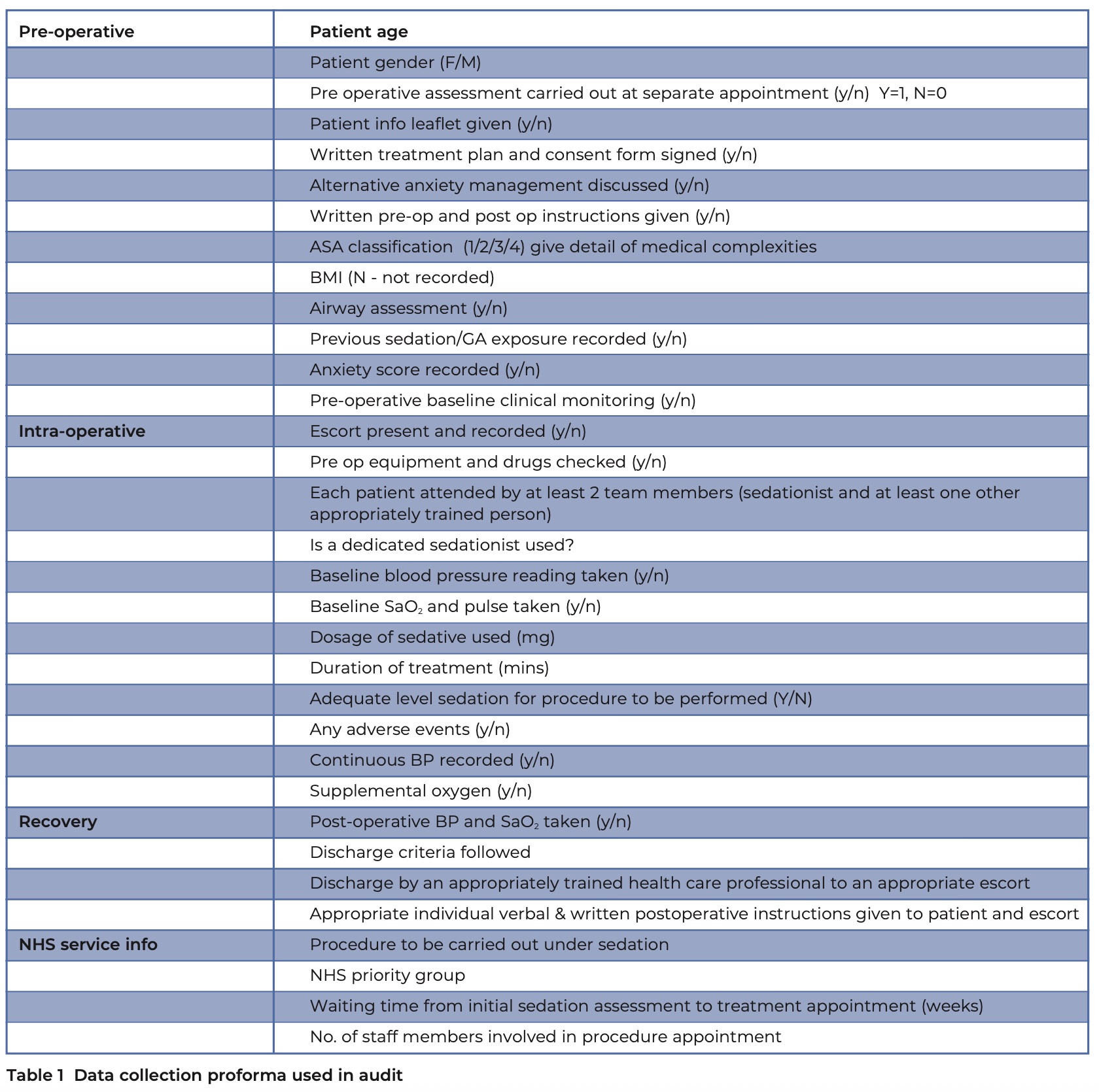
IV sedation cases over a period of 48 months (01/12/2018 – 31/12/2022) were assessed. Inclusion criteria included NHS priority group patients receiving IV sedation on ADH over the set study period. In total 39 patients were identified. Pre-operative sedation assessments in the patient records were assessed by the audit lead using the data collection proforma shown in Table 1.

The data collection proforma was developed by the audit leads based on criteria listed in the IACSD 2020 standards and SAAD safe sedation practice scheme (2023) and local NHS commissioning guidance.

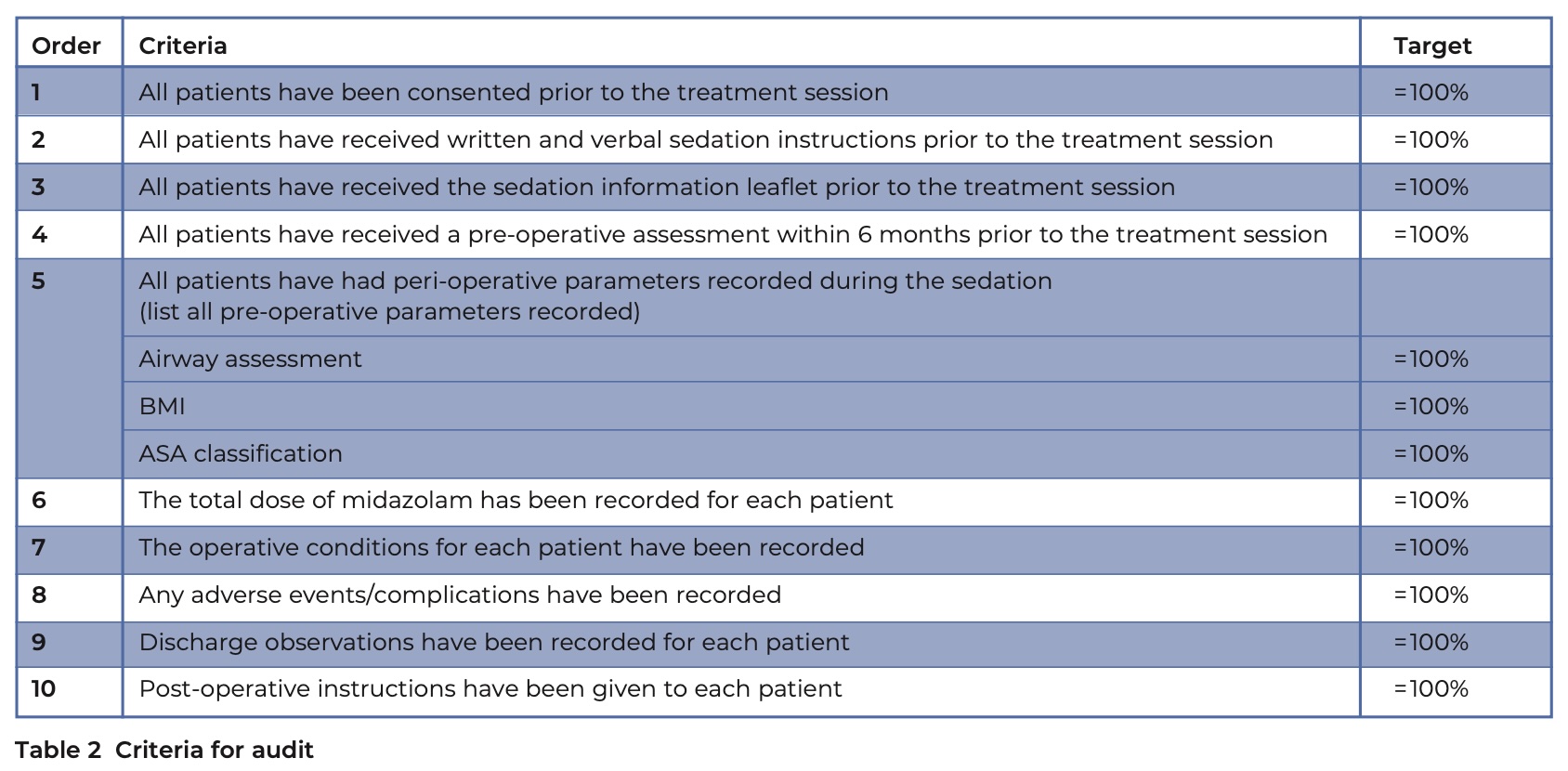
The objective was to ensure that 100% of the target criteria was met. The criteria for the audit are displayed in Table 2.


Results


Pre-operative criteria
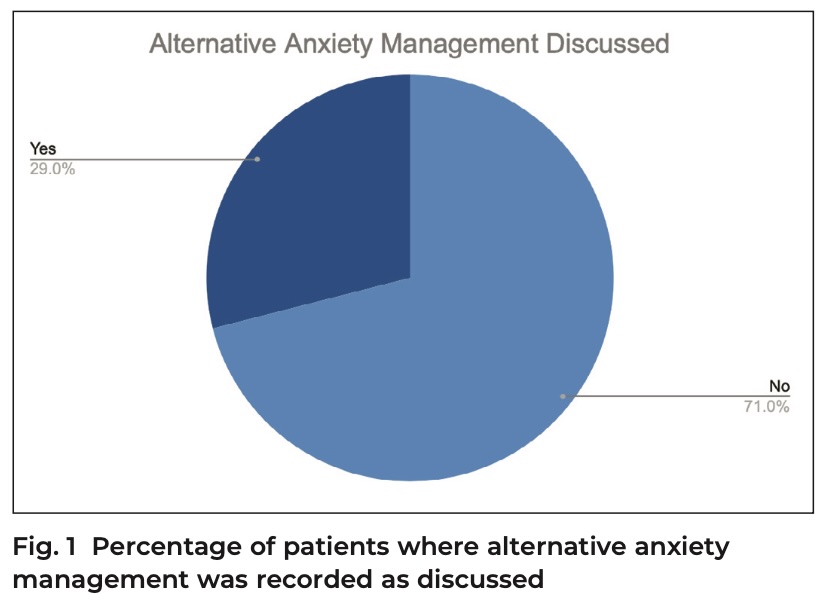
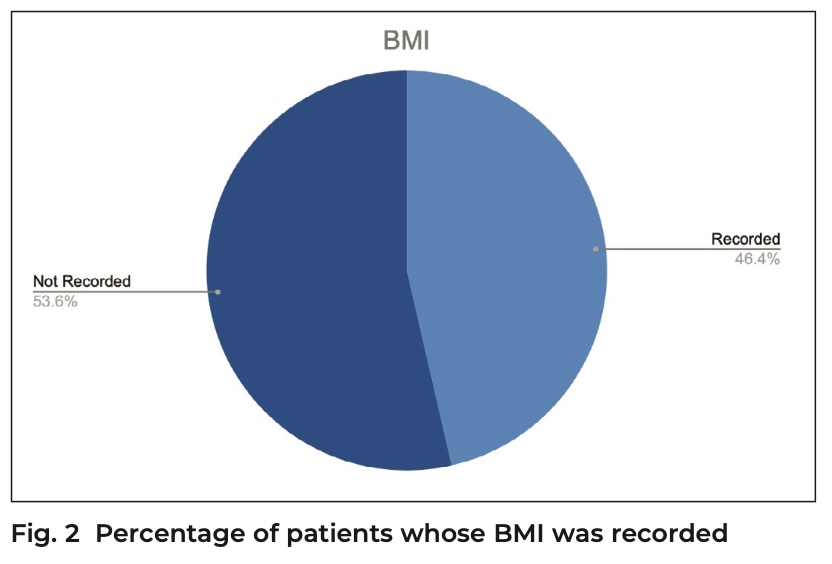
The results showed that the average age of patients seen for sedation was 47, 59% were female, 41% were male. 95% of patients were assessed pre-operatively at a separate appointment. 97% were provided with an information leaflet explaining the sedation process. 100% of the patients gave written consent for their treatment and sedation. The results highlighted that 97% of patients had no anxiety scores recorded pre-operatively and alternative anxiety management was recorded as having been discussed for 29% of patients (Fig. 1). BMI score was recorded for 46.4% (n=18) of patients (Fig. 2).


Intra-operative and post-operative criteria
100% of the sedation cases involved a dedicated sedationist and at least two appropriately trained team members (as defined in IACSD 2020). 100% of patients attended with an appropriate escort and equipment, and emergency drugs were checked beforehand.

The average dose of midazolam used for the sedation procedures was 9.0 mg and the average duration of the procedure (as defined from initiation of sedation to recovery) was 98 minutes.

One adverse event was noted. This was a reaction to a pre-operative antibiotic Clindamycin 600 mg, which was prescribed by the surgical team. Thirty minutes after taking the antibiotic the patient suffered from gastric symptoms and vomiting. The procedure was abandoned, and the patient was monitored clinically for signs of anaphylaxis.

In 100% of cases the blood pressure and oxygen saturation were recorded post-operatively.

In 100% of cases written and verbal post-operative instructions were given to both the patient and the escort.

NHS Service Information
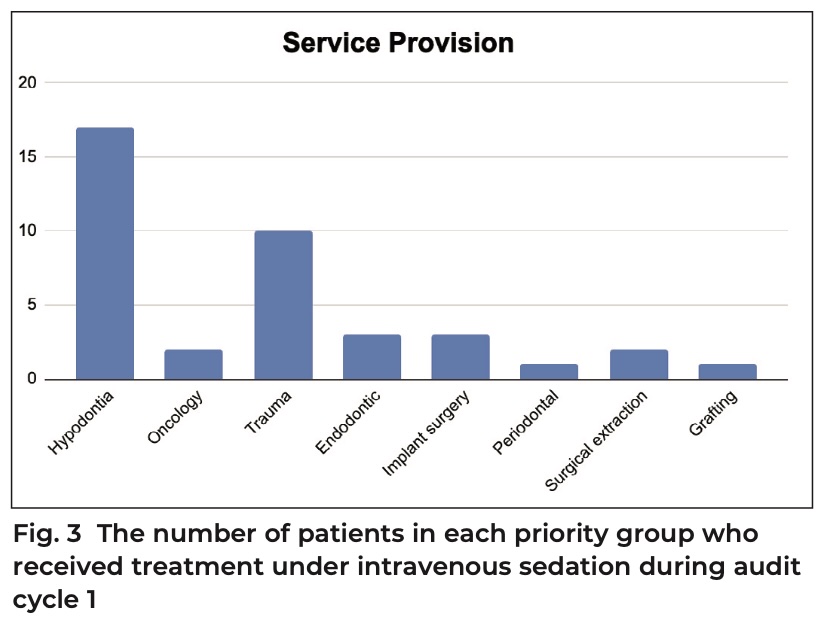
Figure 3 highlights the NHS priority groups who received treatment alongside sedation at the Bristol Dental Hospital in the ADH. The majority of these patients (n=17) had hypodontia. Trauma patients (n=10) and Head and Neck cancer patients (n=2) also received treatment. This was in accordance with the local NHS commissioning guidance.

Other groups who received treatment included patients accepted for teaching cases, cleft lip and palate patients, as well as patients with particularly complex medical histories (n=10).

The majority of the cases that required IV sedation were for implant surgery and bone grafting, but teaching cases were also included.

It was noted that the average wait from initial assessment for sedation to surgery was 27.85 weeks. However, the study period covered the COVID-19 lockdown with reduced clinical service levels. The median was noted to be 8.5 weeks which was deemed to be a more accurate reflection of waiting times.

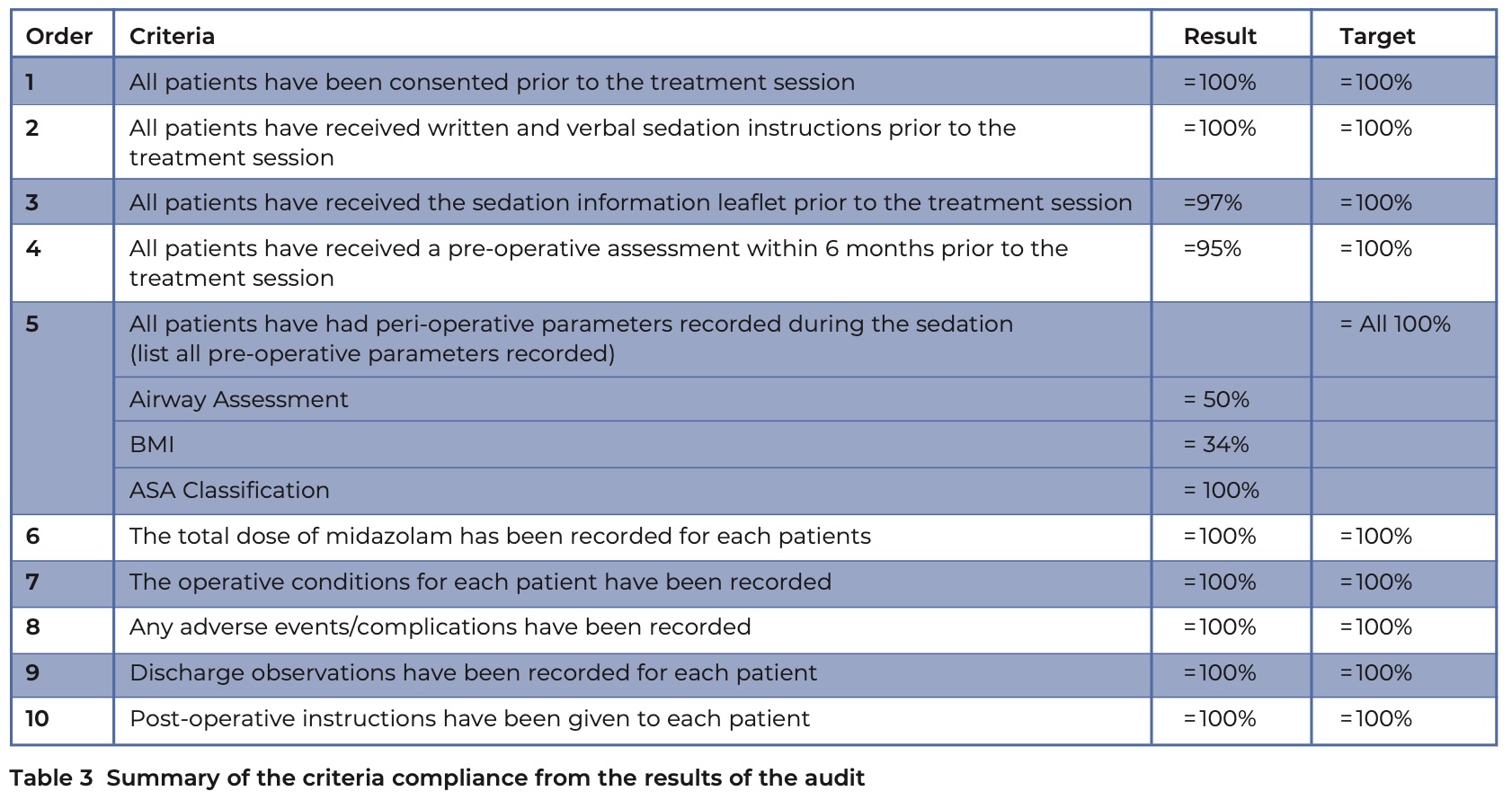
Table 3 summarises the results in comparison to the targets set.

Digest 421 R2 Table 3

Action Plan following audit cycle 1
The audit highlighted areas within the service provided to NHS priority groups in the ADH at the Bristol Dental Hospital which require improvement. Improvements to the service in line with the IACSD 2020 standards and SAAD safe sedation practice scheme (2023), as well as local NHS commissioning guidance, can ensure delivery of high-quality sedation care at the Bristol Dental Hospital.

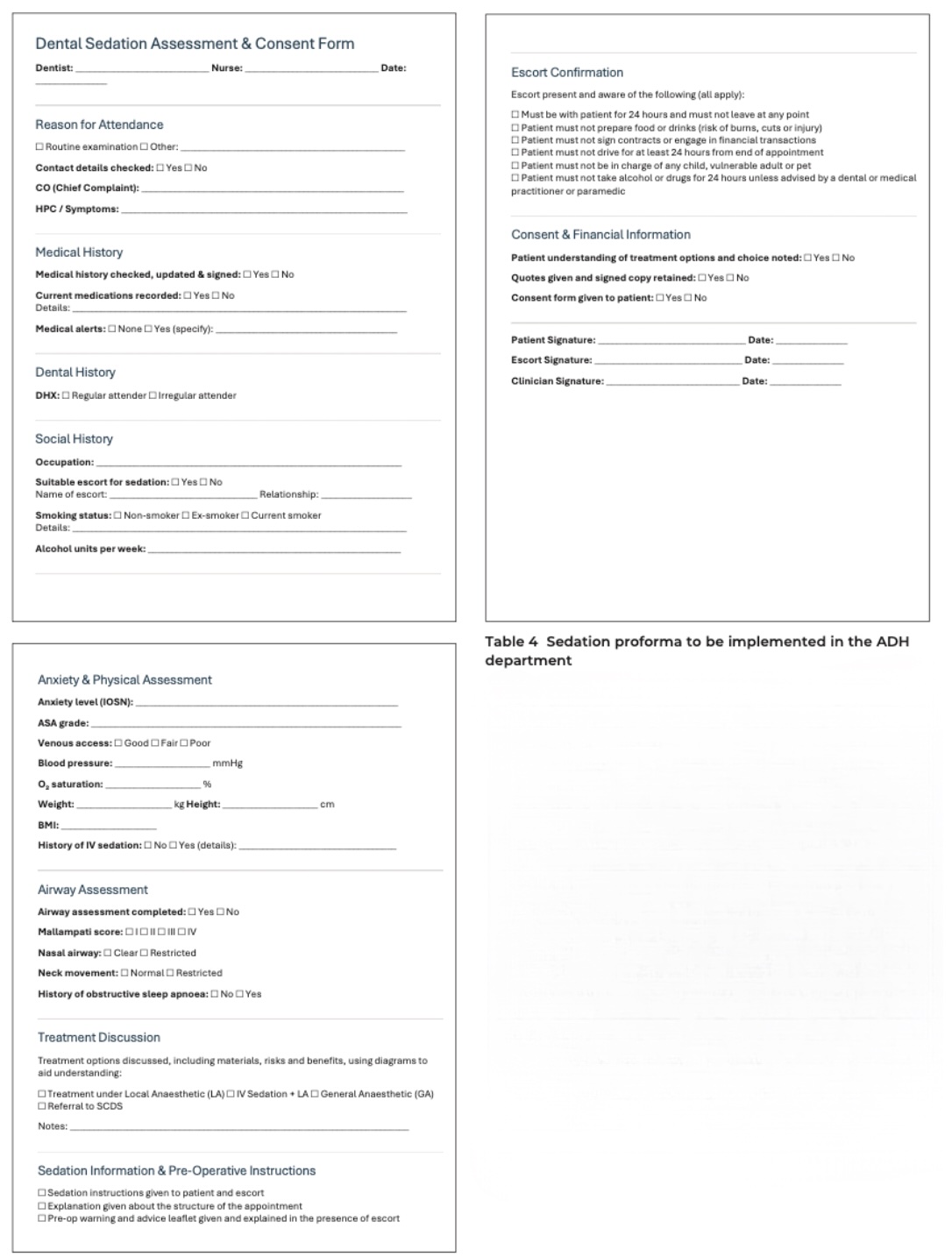
The results were presented at the local departmental meeting within the Trust. An action plan has been created by the facilitators of the audit to improve the sedation service. This includes creating a sedation proforma which can be used for patients undergoing IV sedation in the department and documented on the electronic patient record system. The proforma ensures that airway is assessed, and the patients BMI is recorded. Each division within the proforma will ensure that all pre-operative parameters are recorded sufficiently warranting an improved service.

Table 4 shows an example of the pre-sedation proforma that is to be implemented which was created by the Audit Leads.

The ADH will also store scales and a height measuring tape to allow the BMI to be calculated and recorded on site during the pre-sedation assessment.

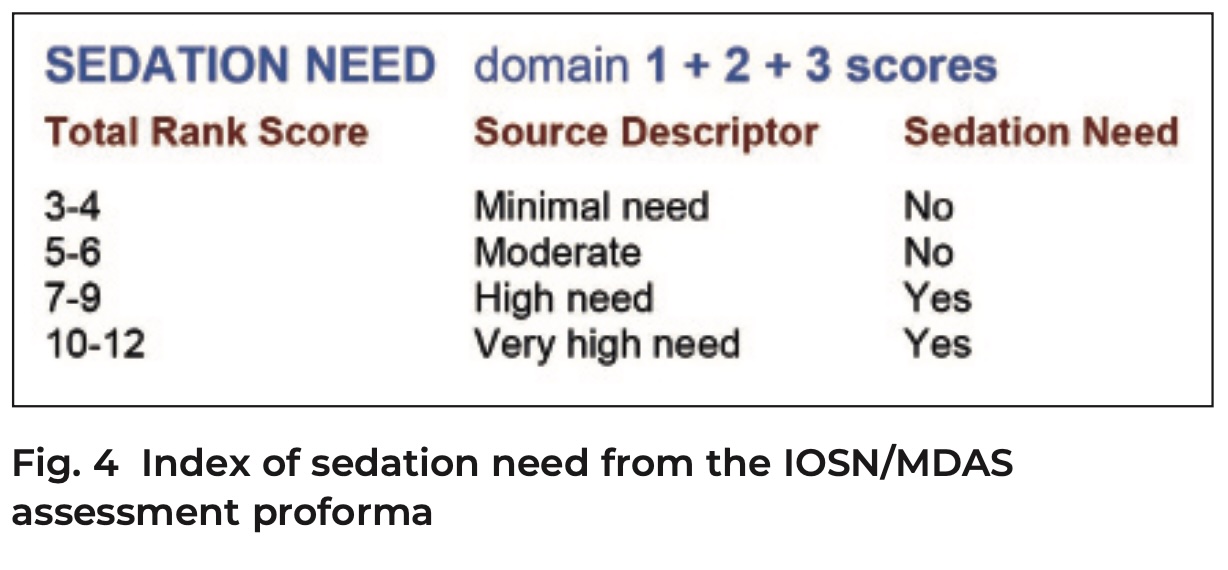
The IOSN will also be utilised to assess the need for sedation. Patients will be given a copy of the MDAS at the pre-operative appointment. These will be printed and stored in the adult dental health department. This will allow assessment of anxiety prior to sedation provision, as well as opening the discussion for alternative anxiety management options.

Overall, we hope the actions listed above will create improvements in the efficiency and safety of the sedation service provided in the ADH. A second cycle of the audit will be carried out to determine whether the interventions have created the required improvements.
Digest 421 R2 Table 4


Results from audit cycle 2


Pre-operative criteria
Following audit cycle 1, the IOSN/MDAS anxiety assessment tool was introduced, resulting in an increase in pre-operative sedation assessments from 3% to 81%. The mean Sedation Need Score was 6, indicating a moderate to high need for sedation in dental treatment (Fig. 4).

A BMI assessment was also introduced as a recommendation from Cycle 1, achieving 94% compliance in Cycle 2. The mean BMI for our cohort was 26.

There was full compliance with all other pre-operative assessment criteria listed in Table 1.


Intra-operative and post-operative criteria 


Two unexpected events were identified during Audit Cycle 2. The first involved a patient whose oxygen saturation dropped to 73% shortly after treatment commenced. The procedure involved rubber dam placement for root canal therapy. The patient had a unilateral cleft lip and palate, a Mallampati Class II airway and in addition, a non-patent nasal airway. This was identified during pre-operative assessment, and it was agreed to proceed with treatment under mild sedation. The patient had a habit of breath-holding during dental procedures, which contributed to the desaturation. The episode was managed by administering 200 micrograms of flumazenil to reverse sedation and providing high-flow oxygen, resulting in a return to 100% saturation within 60 seconds. The root canal treatment was subsequently completed uneventfully under local anaesthetic during the same appointment. A patient safety incident report was filed, and relevant healthcare providers were notified to support shared learning.

The second event involved a patient's arterial oxygen saturation falling below 93%, triggering an oximeter alert. High-flow intranasal oxygen was administered, and the procedure continued without the need to reverse sedation.

Audit cycle 2 demonstrated 100% compliance with all intra-operative and post-operative assessment criteria listed in Table 1. These criteria were adapted from the IACSD 2020 standards, the SAAD Safe Sedation Practice Scheme (2023), and local NHS commissioning guidance.3, 4


NHS service information 


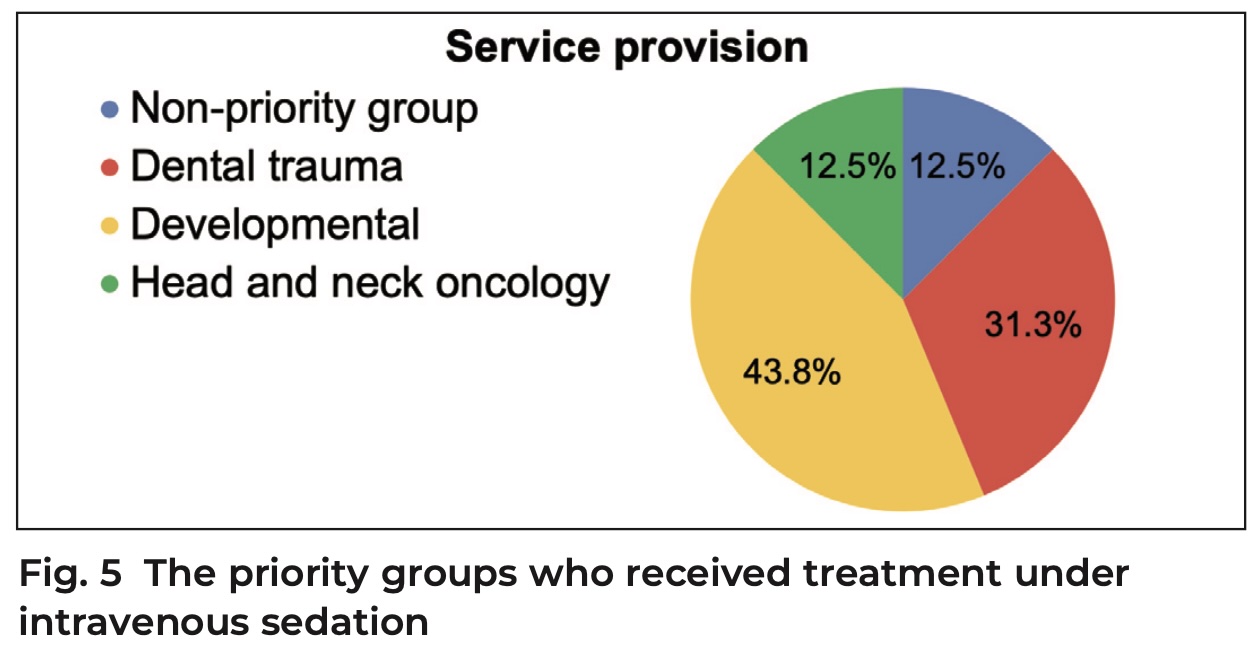
In alignment with local NHS commissioning guidance, 88% of patients who received sedation belonged to NHS priority groups (Fig. 5). The remaining 12% comprised surgical periodontal cases that were accepted as part of postgraduate training programmes.

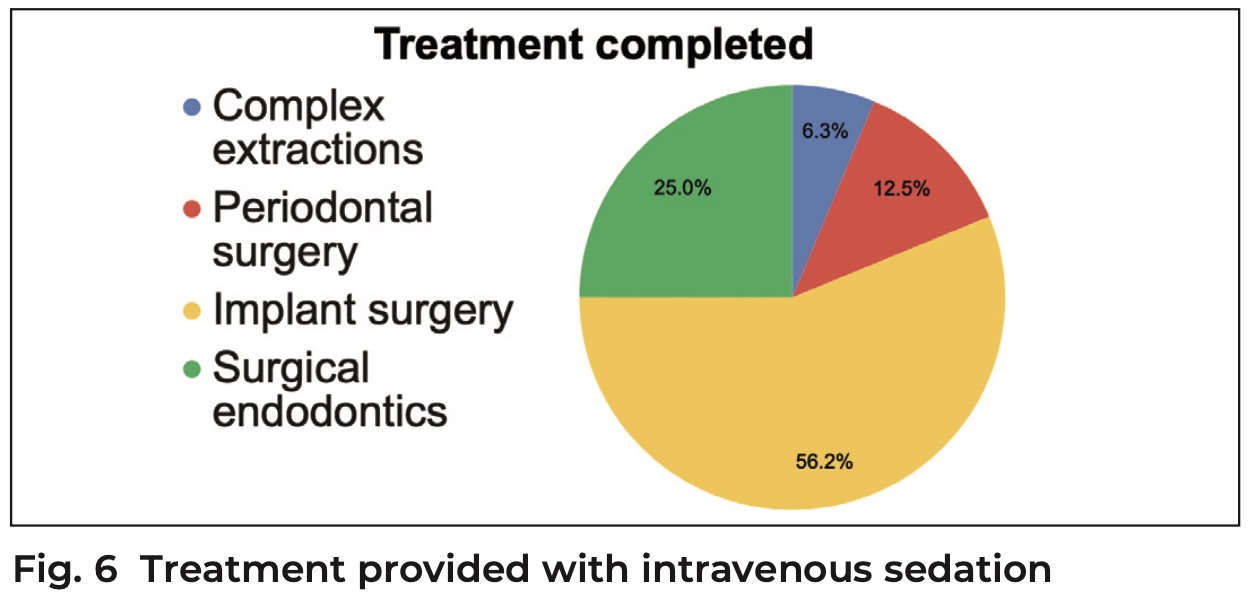
The second audit cycle highlighted that our sedation service is being used to facilitate more complex surgical treatments such as bone grafting, implant placement, apicoectomy and surgical periodontal treatment (Figure 6), which may alternatively require general anaesthesia. 
Digest 421 R2 Fig 6

The initial audit cycle recorded an average waiting time of 28 weeks between sedation assessment and treatment, primarily attributed to reduced service provision during the COVID-19 pandemic. The second audit cycle, conducted between January 2024 and March 2025, reflects an increase in service capacity in the post-pandemic period, with a reduced mean waiting time of 15 weeks.


Action plan following audit cycle 2 


The results were presented at the local Restorative Department meeting within the Trust. In response, the audit facilitators have developed an action plan to further improve the sedation service.

A more comprehensive airway assessment proforma will be integrated into both the written and electronic sedation assessment forms. This enhancement aims to improve the early identification of potentially difficult airways, facilitating better treatment planning and promoting patient safety.

Flumazenil is not routinely used to reverse conscious sedation within the department, it is reserved for rare emergency situations. Nevertheless, it is essential that the sedation team remains confident and proficient in its use. To support this, clear and concise instructions have been printed and placed alongside the flumazenil ampoules in the clinic, providing a quick-reference guide during high-pressure scenarios.


Discussion


The results from the audit suggest that overall, the service provided at the Bristol Dental Hospital, ADH is an efficient service for NHS priority group patients who require surgery. However, there are improvements that can be made to better the quality of service provided to patients.

It is recommended that the BMI is recorded in all pre-operative sedation assessments of patients. Pre-operative parameters such as BMI and airway assessment improved between audit cycles from 46.6% to 94%. The mean BMI for our audit cycle 2 cohort was 26, which the NHS website classifies as overweight (ref). BMI can assist in assessing the airway, cannulation, and respiratory difficulties, and in understanding co-morbidities associated with obesity. The effect these have on conscious sedation allows selection of the safest treatment method for patients.5 Patients with an increased BMI (>35kg/m2) are at risk of airway obstruction when sedated due to a reduced muscle tone in the pharyngeal soft tissues. Pre-operative assessment considerations such as vital signs, airway, venous access, and co-morbidities can allow for safe management of patients with high BMIs.6

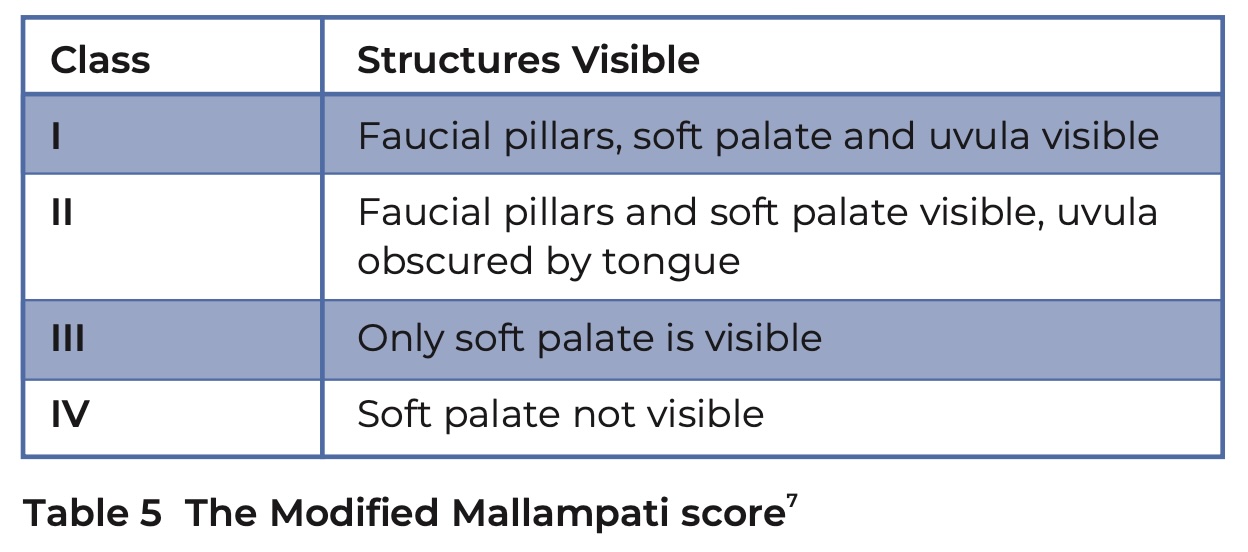
The IACSD 2020 states that sedationists need to ‘carry out airway assessment and anticipate potential difficulties during sedation or if ventilation is required’. Conscious sedation, particularly IV sedation with midazolam can increase a patient's susceptibility to airway obstruction or obstructive sleep apnoea (OSA). Pre-operative airway assessment is essential to identify risk factors that may increase the likelihood of airway issues or difficulties with airway interventions, hence optimising patient safety. Airway assessment can be carried out through the Modified Mallampati score. The score classifies the visibility of oropharyngeal structures when the patient opens their mouth maximally and extrudes their tongue. It allows appreciation of the size, position, and mobility of the tongue in relation to the oral cavity, and oral access. The greater the score, the more difficult the airway is potentially considered to be. Table 5 displays the Modified Mallampati score.

Other methods of assessing a patient’s airway include considering their BMI, weight distribution and neck circumference. Patients with higher BMI are also at risk of airway obstruction as discussed above. However, weight distribution can influence the airway risk. Patient’s with ‘thicker necks’ or with more weight distributed around the head/neck region are at an a increased risk of airway obstruction due to increased distribution of adipose tissue around the upper airway.8

Audit cycle 1 noted that there was no tool currently being used at the Bristol Dental Hospital to assess the sedation need of patients. The indicator of sedation need (IOSN) can be used as a means of identifying, assessing, and delivering appropriate sedation to patients. The modified dental anxiety scale (MDAS) consists of a questionnaire patients can complete to assess their level of anxiety. The scale can be entered into the IOSN to determine the need for sedation. The IOSN not only assesses how dentally anxious a patient is but also the patient’s health, behaviour, and physical and dental treatment complexity. The tool can help identify the patients who require treatment under conscious sedation, as well as aid with commissioning of the sedation service.9

Overall, treatment provided at the Bristol dental hospital was carried out safely following the appropriate guidance. Only one adverse event was noted during audit cycle 1. This was an attribute of the patient's complex medical history which resulted in an allergic reaction to the pre-operative antibiotic (clindamycin). This was managed and resolved efficiently by the team members. During audit cycle 2 there was an incidence of oxygen desaturation which prompted reversal of the patient’s conscious sedation with flumazenil. A post-operative root cause analysis confirmed that the patient had a potentially difficult airway. Consequently, only a small amount of midazolam was used to achieve light sedation. Following this event, a new airway assessment tool has been introduced to facilitate a more thorough airway assessment to help clinicians identify difficult airways.

The guidance for nasal oxygen is ambiguous. Respiratory depression is an established side effect of Midazolam and as such the SP02 levels of a sedated patient commonly fall during the procedure. Some clinicians may administer nasal oxygen when the SP02 is below a certain threshold whilst ensuring that the patient is still conscious and responsive. Audit cycle 1 highlighted that nasal oxygen was provided in 26% of cases. The common threshold for administration was SP02 93%. This was observed in 2 cases in audit cycle 2, and both patients received nasal oxygen. It is crucial, however, to monitor respiratory rate and be mindful of administering further sedative if supplemental oxygen has been administered as it may mask the signs of over-sedation.

Throughout the sedation procedure, for all cases, pulse oximetry was used to provide a visual and audible indication of arterial oxygen saturation, as well as heart rate and rhythm. Oximetry is recommended to be used to monitor patients throughout the sedation procedure by the IACSD 2020 guidance. Recent literature has suggested that capnography (ETCO2) can also be used to monitor patients. It has been suggested that capnography can be an important addition to detect respiratory depression during procedural sedation and reduce the risk of hypoxia.11 IACSD 2020, discusses its use in patients with who are at higher risk with ASA grades III/IV, particularly those receiving supplemental oxygen throughout the sedation procedure. However, currently there is not sufficient evidence to implement its use for all patients or with patients with ASA grades I or II.

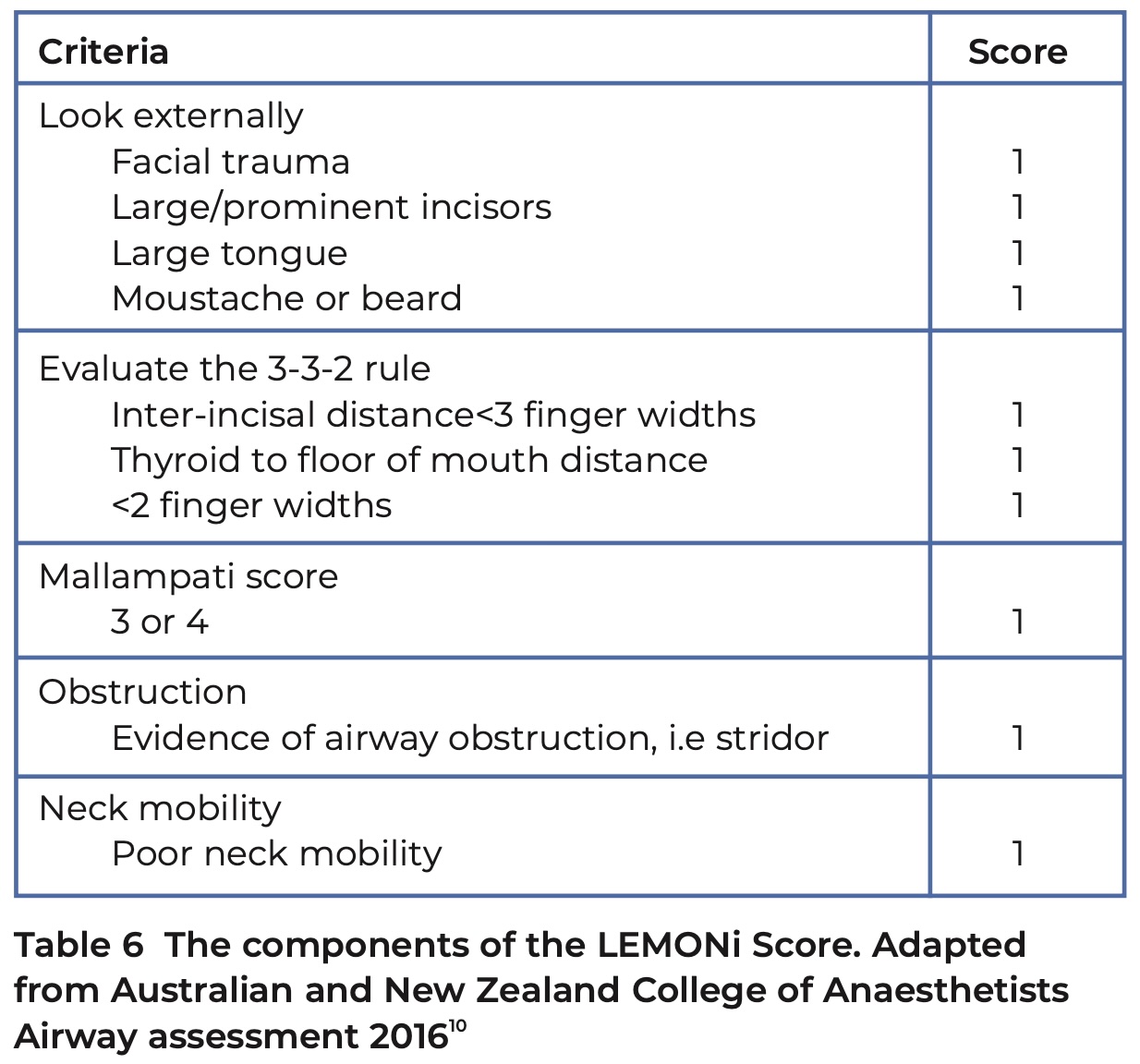
Digest 421 R2 Table 6

The average dose of midazolam noted from the results was 9 mg for our first audit cycle and 6 mg for cycle two respectively. Literature has suggested that the recommended maximum dose of midazolam is 7.5 mg. However, it has been noted that intravenous midazolam doses over 7.5 mg are considered 'off-label' but are accepted as 'common practice' in dental conscious sedation, where a single drug technique (midazolam) is used. The audit highlighted that the maximum dose was exceeded in 56.4% (n=22) of cases.12 The doses were necessary to ensure that patients were adequately sedated in order to carry out the required treatment. The patients were monitored throughout the procedure in accordance with the appropriate guidance, to ensure their safety.

NHS service provision for priority group patients at Bristol Dental Hospital is an efficient service. NHS England have stated that the maximum wait time for non-urgent, consultant-led surgery is approximately 18 weeks (unless the patient chooses to wait longer, or it is clinically appropriate to wait longer).13 Audit cycle 1 highlighted that the average wait for surgical treatment under sedation in the adult restorative department at the Bristol dental hospital was 27.85 weeks, the median of which was 8.5 weeks. This included the wait from initial sedation assessment to surgery. Three anomalies were noted in the wait times from the sample of 39 patients. These three patients displayed wait times between 45 to 52 weeks over the COVID-19 lockdown/reduced clinical levels time. Eliminating these patients from the sample and calculating a new mean resulted in an average wait time of 13.6 weeks, which falls within the NHS time frame. It is fitting to acknowledge that the wait times may have been affected by the COVID-19 pandemic that affected treatment and waiting times in 2020/21.

Audit cycle 2 was conducted between January 2024 and March 2025, following the re-establishment of normal clinical activity after the COVID-19 pandemic. The average waiting time from assessment to treatment was 15 weeks, confirming that service provision and waiting times had been impacted during Cycle 1. The current 15-week wait remains within the NHS target of 18 weeks for consultant-led surgical care.

Previously, Bristol Dental Hospital provided patients in the adult dental health department with general anaesthetic for complex treatment, or as anxiety management. The ADH worked in conjunction with the oral and maxillofacial surgery department. The introduction of sedation, as opposed to general aesthesia, has allowed for a more cost-effective service in terms of equipment, staff costs, equipment, and overhead costs including consumables, drugs, and building. A study comparing the costs of sedation versus general anaesthesia estimated the all-inclusive cost for treatment per patient under general anaesthesia was on average £285.79. The cost for sedation was approximately £90.81.2 This cost will vary for each Trust, as well as the procedures carried out. However, overall, sedation has proved to be a more cost-effective method of anxiety management.

Audit cycle 2 confirmed that the changes implemented following the initial audit have led to improved consistency and thoroughness in pre-operative sedation assessments. The introduction of the Index of Sedation Need (IOSN) assessment tool has further supported clinicians in evaluating individual patients' need for sedation.

An average IOSN score of 6 indicated a moderate need for sedation among the patients included in Cycle 2. This reflects the complex nature of the procedures performed, which included implant placement, bone grafting, and surgical endodontics.


Conclusion


The previous action plan to improve anxiety, BMI, and airway assessments has proven effective, with sustained improvements observed. As the number of sedation cases increases, it is expected that occasional unexpected events may arise. It remains essential to continue shared learning from these incidents and to implement changes that support a safe and efficient service.

Following audit cycle 2, a more detailed airway assessment will be introduced, and sedation-qualified staff will be trained in its application. Additionally, an instruction card will be provided with flumazenil ampoules to minimise the risk of human error during emergency situations.


References


1. Kapur A, Kapur V. Conscious sedation in dentistry. Ann of Maxillofac Surg, 2018; 8: 320-323 DOI: 10.4103/ams.ams_191_18.

2. Prabhu N T, Nunn J H, Evans D J. A Comparison of Costs in Providing Dental Care for Special Needs Patients Under Sedation or General Anaesthesia in the Northeast of England. Prim Dent Care, 2006; 13: 125-8 DOI: 10.1308/135576106778528964.

3. NHS England. Clinical standards for dental anxiety management. 2023. Online information available at: https://www.england.nhs.uk/long-read/clinical-guide-for-dental-anxiety-management/ (accessed October 2023).

4. NHS England. Clinical standard for restorative dentistry. 2022. Online information available at: https://www.england.nhs.uk/wp-content/uploads/2022/10/B1640-clinical-standard-restorative-dentistry.pdf (accessed October 2023).

5. Champaneri S, Morgan C, Shehabi Z. Preoperative assessments and treatment outcomes in conscious sedation. Fac. Dental J. 2018 Apr 9, 58-64. DOI:10.1308/rcsfdj.2018.58.

6. Howie G C, Ransford N, Russell S H. Clinical considerations in providing intravenous sedation with midazolam for obese patients in dentistry. Br Dent J. 2021 May, 230, :587-93. DOI: 10.1038/s41415-021-2944-9.

7. Stutz E W, Rondeau B. Mallampati Score.2023. Online information available at: https://www.ncbi.nlm.nih.gov/books/NBK585119/#:~:text=The%20modified%20Mallampati%20score%20used. (accessed October 2023).

8. Owen B, Bradley H. Airway Assessment for Intravenous Sedation in Dentistry. Dent. Update. 2022 Jan 2, 49, 52-6. DOI: 10.12968/denu.2022.49.1.

9. Coulthard P, Bridgman C M, Gough L, Longman L, Pretty I A, Jenner T. Estimating the need for dental sedation. 1. The Indicator of Sedation Need (IOSN)–a novel assessment tool. Br Dent J. 2011 Sep 10, 211 DOI: 10.1038/sj.bdj.2011.725.

10. Bradley P, Chapman G, Crooke B, Greenland. Airway Assessment 2016. Online information available at: https://www.anzca.edu.au/getContentAsset/c50e48ef-cbb8-4093-b2af-eff208c07a48/80feb437-d24d-46b8-a858-4a2a28b9b970/PU-Airway-Assessment-20160916v1.pdf. (Accessed May 2025).

11. Brady P, Hayes M, O'Halloran K, Giovannitti J. What's new in ... Capnography Monitoring for Dental Conscious Sedation: A Clinical Review. SAAD Dig. 2017; 33: 3-6.

12. Lawler H, Walker P. Evaluation of maximum dose intravenous midazolam used in dental intravenous sedation: a West of Scotland regional audit. Br Dent J. 2022 Jul 22, 233, 135-8. DOI: 10.1038/s41415-022-4456-7.

13. National Health Service. Guide to NHS waiting times in England. Online information available at: https://www.nhs.uk/nhs-services/hospitals/guide-to-nhs-waiting-times-in-england/ [Accessed October 2023].

RP banner 2026

Download article 2

Please click on the tables and figures to enlarge


 ‘Clearing the air’: a quality improvement project introducing a digital leaflet to enhance parental understanding of inhalation sedation


O Bawa*1
L McKay2
H Adam3
1Dental Core Trainee, Wirral Specialised Community Dental Service. VCH, Mill Lane, Wallasey, CH44 5UF.
2Specialist in Special Care Dentistry, Wirral Specialised Community Dental Service. VCH, Mill Lane, Wallasey, CH44 5UF.
3Specialist in Special Care Dentistry, Wirral Specialised Community Dental Service. VCH, Mill Lane, Wallasey, CH44 5UF.
*Correspondence to: Olivia Bawa
Email: olivia.bawa@nhs.net


Abstract


Background
An audit of failed inhalation sedation (IHS) leading to general anaesthesia (GA) in Wirral Community Health and Care NHS Foundation Trust (WCHC) Community Dental Service (CDS) revealed that 10.9% of paediatric GA patients had prior unsuccessful IHS, increasing dental anxiety and environmental pollution from unnecessary N2O. Inadequate case selection, influenced by parental misconceptions, may contribute to failed IHS.

Aim
To improve parents’ understanding of IHS, helping them make informed choices and reducing unsuccessful IHS.

Methods
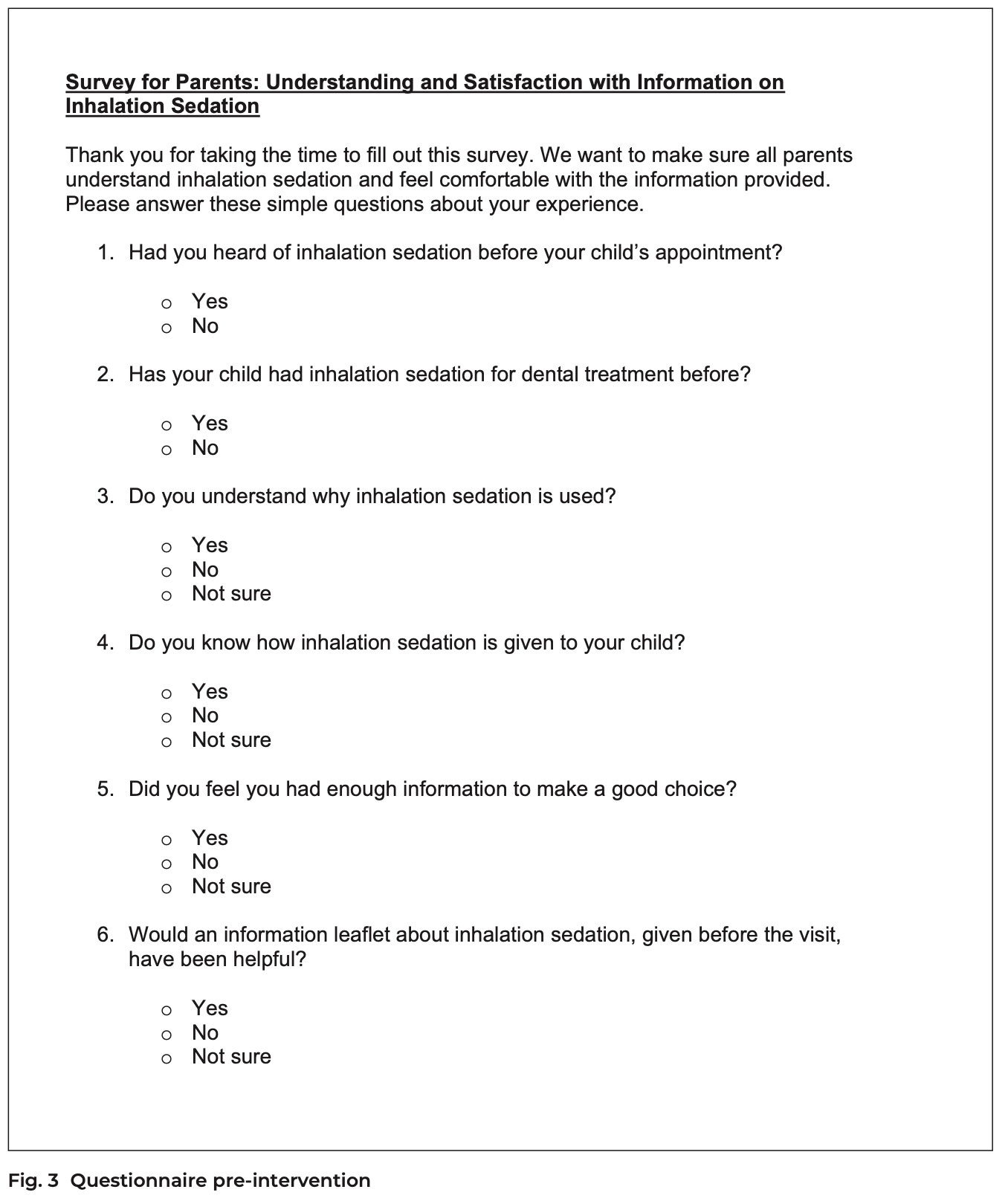
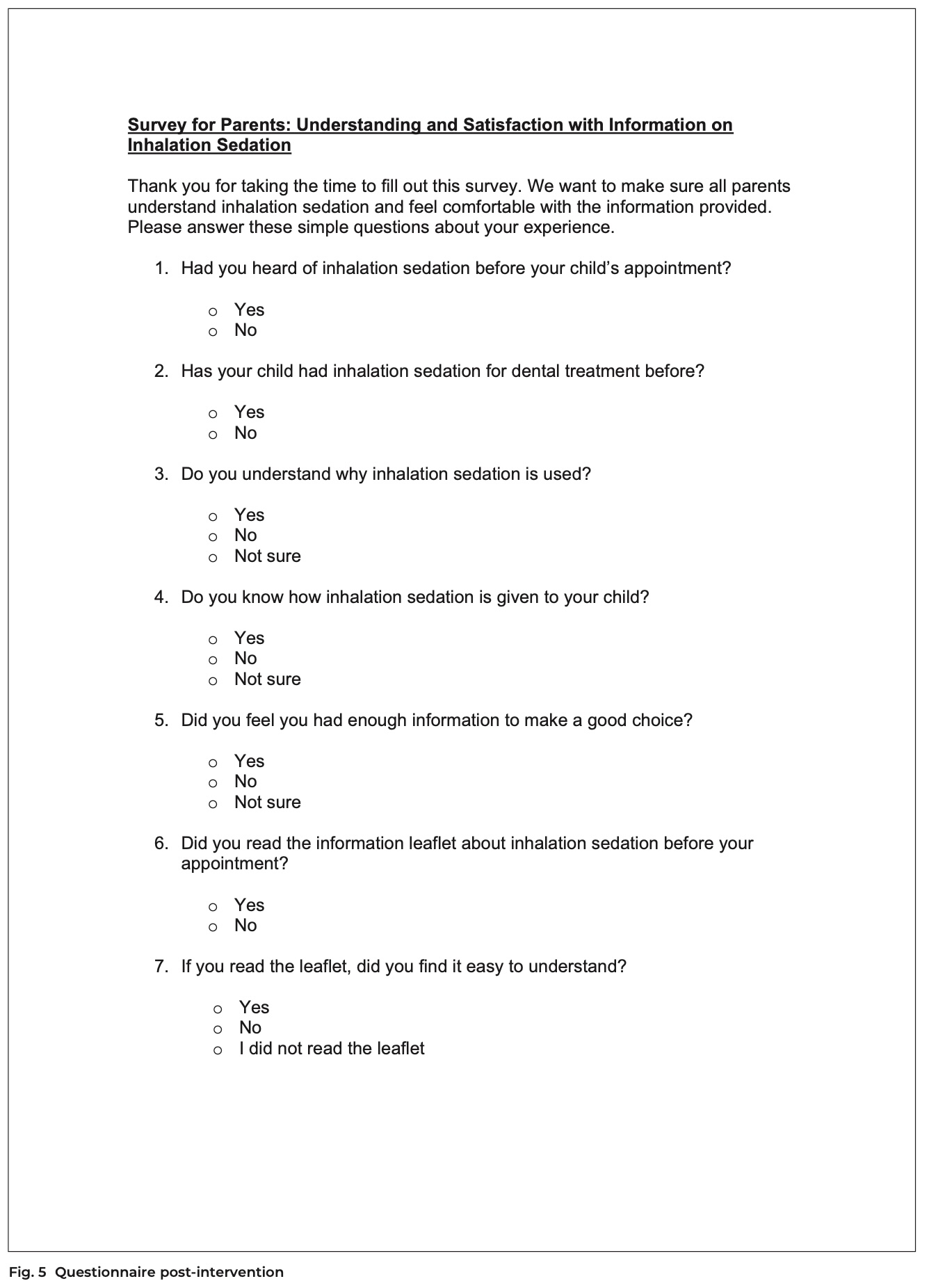
The intervention involved distributing a digital leaflet on IHS, including indications, benefits, risks, and alternatives. The leaflets were emailed to parents of children referred to CDS for IHS by their General Dental Practitioner (GDP). Qualitative data gathered using pre- and post-intervention questionnaires measured parents’ perceived understanding.

Results
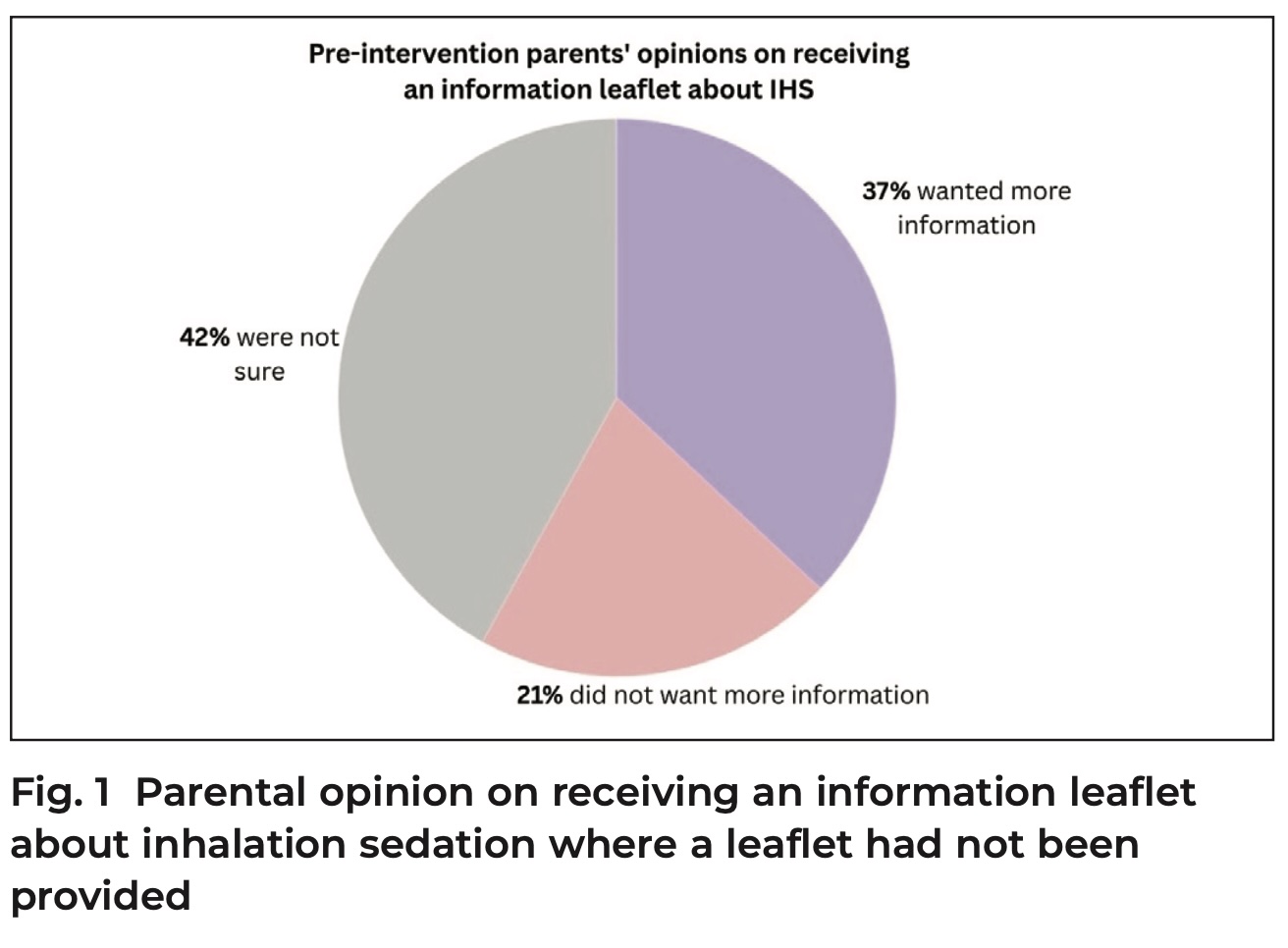
Before the intervention, 37% of parents felt an information leaflet would be beneficial, and 42% were uncertain. After the intervention, 88% of parents felt they received enough information via the leaflet. 25% were unaware of IHS despite having been referred for sedation.

Conclusion
Providing accessible information to parents can improve perceived understanding and support collaborative treatment planning, addressing a common cause of IHS failure. The project aims to contribute to the NHS goals of reducing the environmental impact of nitrous oxide; this impact could be measured in a re-audit of the failed inhalation sedation rate. 


Key learning points


  • Quality improvement projects can produce small, measurable changes and contribute to broader goals within a CDS
  • Technologies such as catalytic cracking are ideal; however, due to financial restraints, we can focus on reducing unnecessary nitrous oxide pollution by selecting appropriate cases for IHS
  • Sustainable healthcare is everyone’s responsibility, and by sharing projects and ideas, we can achieve sustainability goals together.

Problem identified and background


The NHS aims to reduce its carbon footprint by tackling the environmental effects of medical nitrous oxide use, aiming to achieve net-zero emissions by 2040.1 Nitrous oxide, commonly used in inhalation sedation (IHS), is a potent greenhouse gas that remains in the atmosphere for 114 years, contributing to global warming and ozone depletion.2

At WCHC CDS, a quality improvement project (QIP) was conducted as part of broader national research to minimise nitrous oxide usage, called ‘Saving Smiles’. Results showed that in one week, IHS undertaken in the service produced 420.9 kg of CO2 equivalent (CO2e). Approximately 13% IHS treatment episodes undertaken were unsuccessful, producing 54.5 kg CO2e of pollution-these failed cases produced avoidable pollution, equivalent to taking a flight from Manchester to Dublin.

Further to the environmental impact, IHS failure can produce adverse clinical outcomes, such as increased dental anxiety, which in some cases, necessitates the use of general anaesthesia (GA). A local audit looking at failed IHS requiring a subsequent GA over six months, showed that 10.9% of paediatric patients who underwent GA had previously experienced failed IHS. 25% of those who experienced failed IHS also went on to have a failed GA induction. This was significantly higher than the overall GA failure rate of 9.1%.

A contributing cause for IHS failure was suggested to be inappropriate treatment planning, often influenced by parental misunderstanding or unawareness of what IHS involves. Clinicians rely on parental insights into the child's co-operation during short assessment appointments. Clinicians report parents often believe IHS is the same as the chairside GA that parents may have experienced as children, many parents recalling ‘the black mask’ used. If families have an inadequate understanding, they may overestimate what their child can cope with, leading to the choice of IHS inappropriately. In turn, this may lead to IHS failures and subsequently other adverse outcomes, including unnecessary pollution from nitrous oxide.

IHS is a safe and effective modality, widely recommended when used appropriately and advocated by the Society for the Advancement of Anaesthesia in Dentistry (SAAD).3 for managing dental anxiety. A sustainable future involves using nitrous oxide in dentistry responsibly. This QIP aims to encourage the use of IHS where appropriate, while contributing to CDS’s broader goals of reducing failed IHS cases. This, in turn, could minimise unnecessary nitrous oxide emissions.

Educating patients improves healthcare outcomes.4 This QIP will contribute to the initiative to reduce failed IHS by selecting cases more appropriately and decreasing the adverse outcomes of failed IHS, such as increased dental anxiety and unnecessary N2O pollution.

Acclimatisation presents another approach to enhancing the success of inhalation sedation. The service has already initiated nurse-led acclimatisation, which could be subject to future audits to assess its effectiveness in decreasing instances of failed IHS.


Objectives


This quality improvement project aims to improve parental understanding of inhalation sedation (IHS), support more appropriate treatment planning, reduce failed IHS, and consequently contribute to the NHS goal of lowering nitrous oxide (N2O) emissions.

The aim is to improve parental understanding of inhalation sedation during assessment appointments over three months, using digital information resources to reduce unnecessary use of IHS.

Objectives:

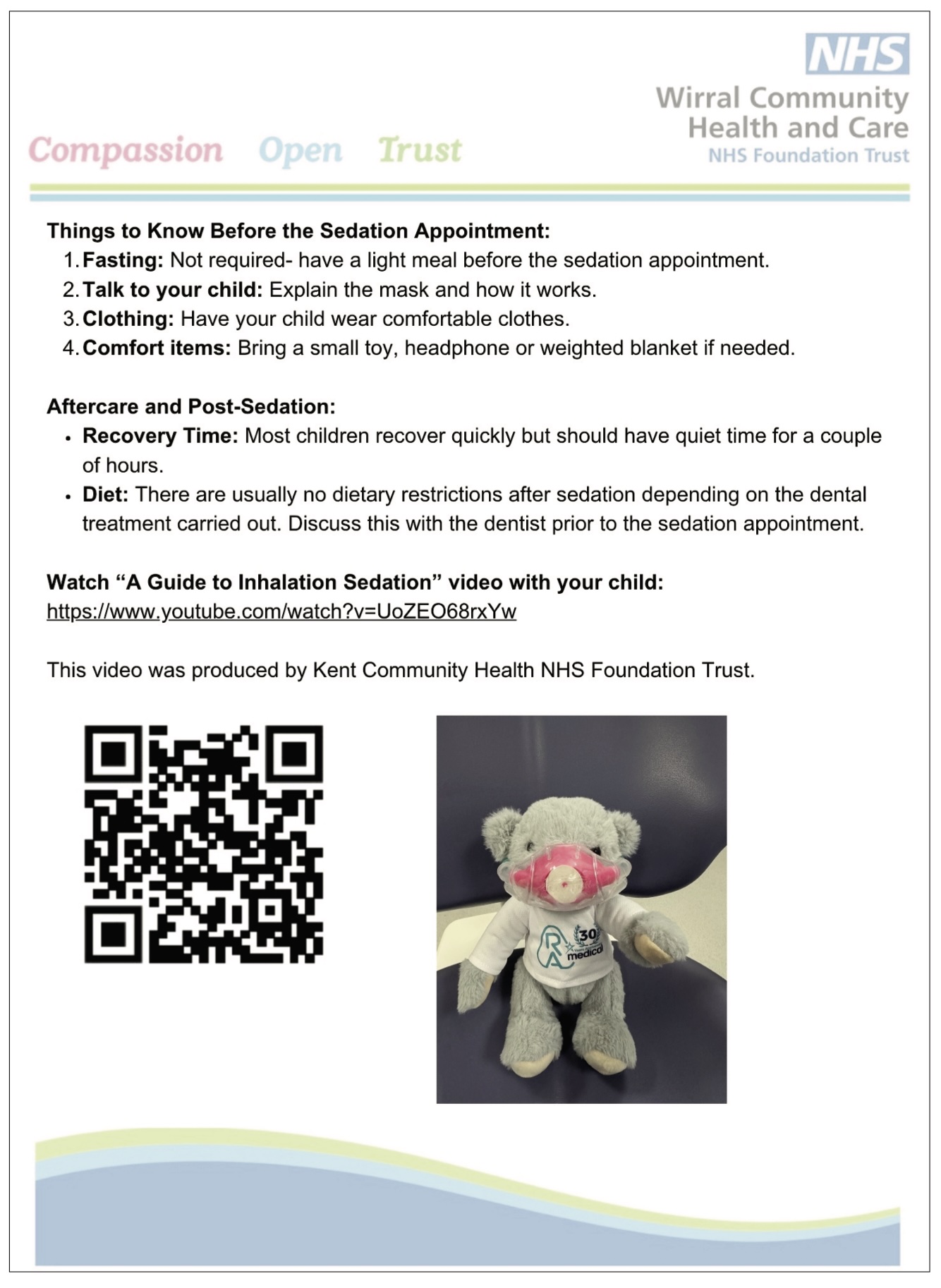
  1. Provide accessible information about IHS to parents of children referred by their GDP to CDS for IHS via a digital leaflet and link to a video created by another CDS service in another Trust5
  2. Assess parental understanding of IHS before and after the intervention using questionnaires
  3. Support informed decision-making during treatment planning by ensuring parents are better prepared prior to assessment visits
  4. Contribute to reducing failed IHS cases over time by improving case selection and treatment planning
  5. Contribute to environmental sustainability by reducing unnecessary N2O emissions associated with failed IHS.

Implementation


The project was implemented in Wirral CDS, targeting parents of children (under age 16 years) referred by their GDP for IHS.


Intervention


A digital information leaflet was developed using tools to make it accessible- incorporating features such as headings, bullet points, images, and simple language.6 Clear, concise language and sentence structure were used, as parents may have limited literacy skills.6 According to the National Literacy Trust, one in six adults in England has very low literacy skills.7 A 2021 census revealed that 23.4% of Wirral's population left school without qualifications, but it was not possible to determine the reading age or literacy rate.8

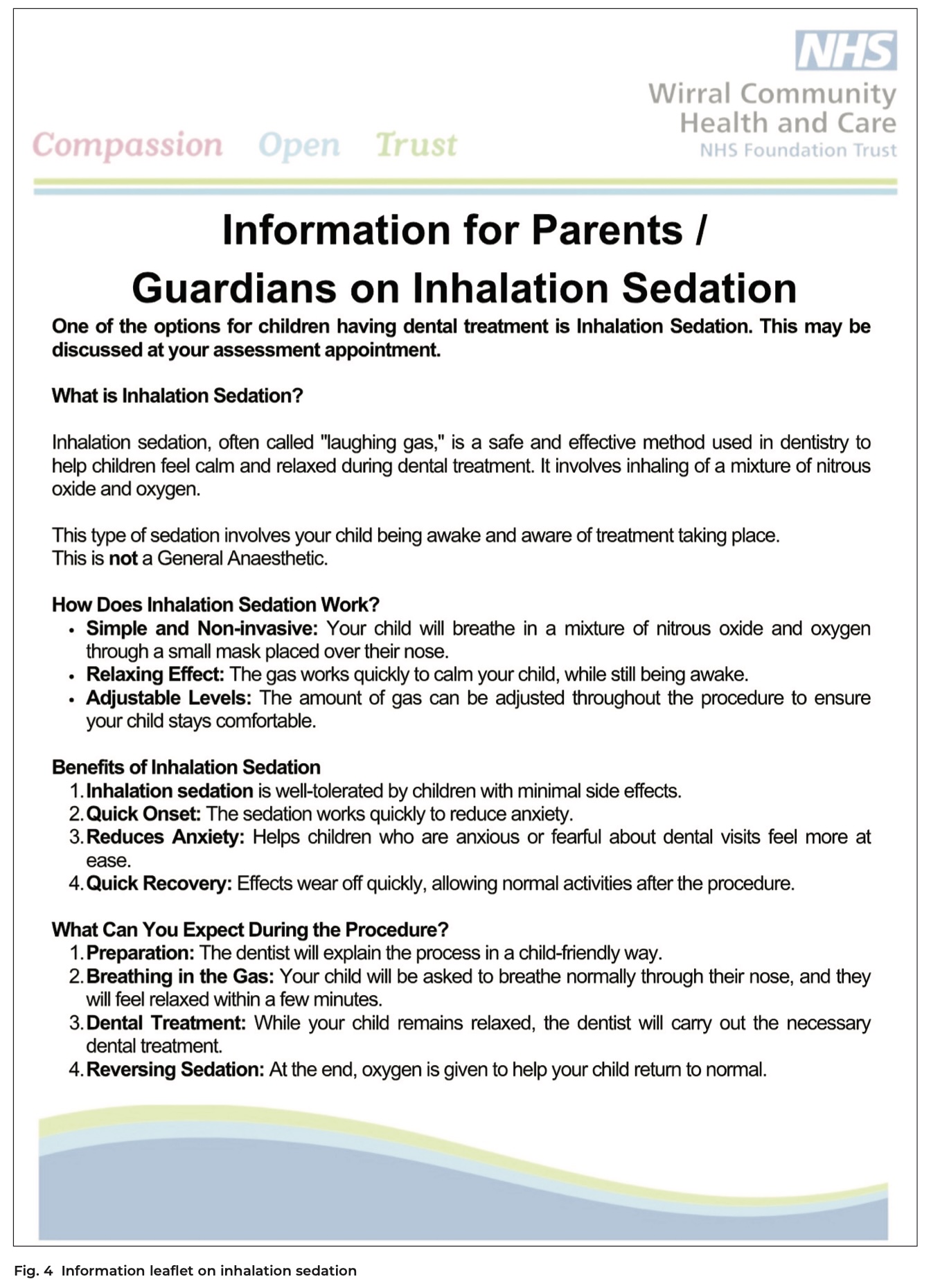
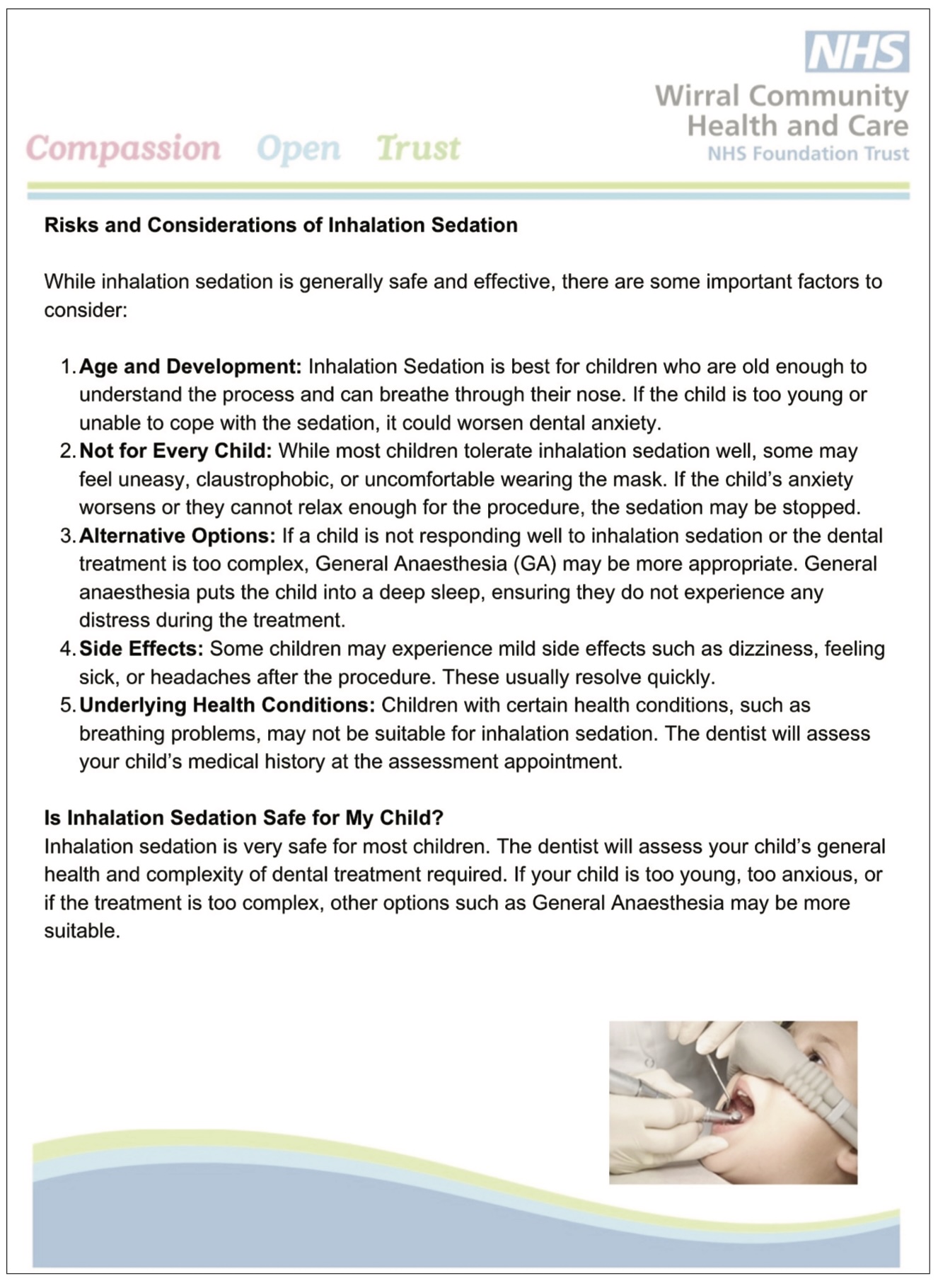
A digital information package was emailed to parents before their assessment appointment, ensuring they had sufficient time to review before their appointment. This included:

  • digital leaflet covering:
    • A description of what IHS is
    • Indications and benefits
    • Risks, considerations and alternative options
    • Preparation for IHS.
  • An embedded video linkto a video, produced by Kent Community Health NHS Trust,5 visually explains IHS and what to expect. 

Data collection


  • Group A - Those parents who did not receive the leaflet and video link: This assessed baseline parental perceived understanding of IHS. This data was collected following their initial assessment appointment with a group of parents who had not received the information package.
  • Group B - Those parents who did receive the leaflet and video link: Evaluated how well a separate group of parents felt they understood IHS after having received the information leaflet and how useful they found the leaflet. This data was also collected following their initial assessment appointment.

Results


Group A - Those parents who did not receive the leaflet and video link

  • Response rate: 19 parents completed the questionnaire
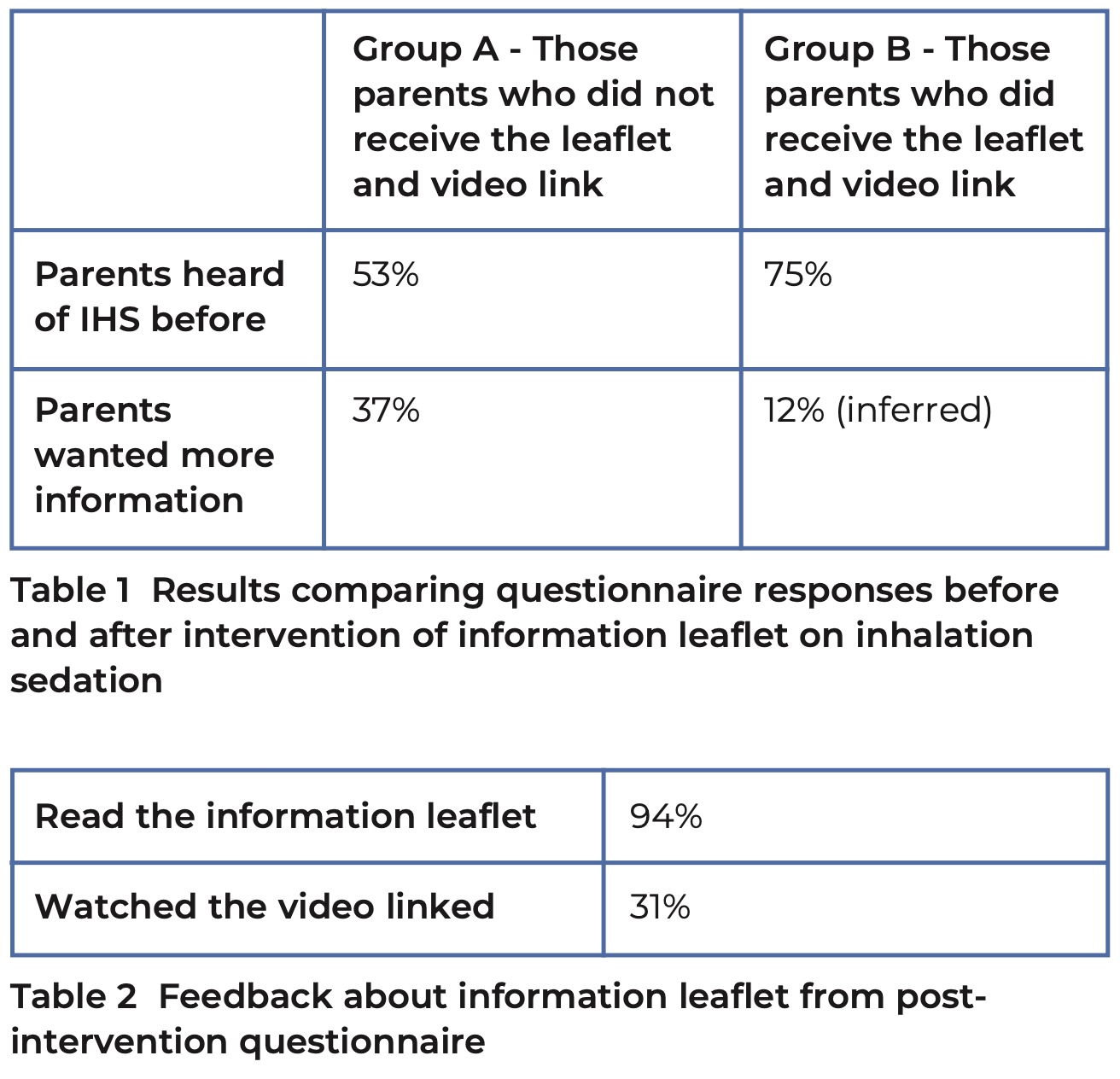
  • Awareness of IHS: 53% of parents indicated they had heard of IHS before the assessment appointment
  • Response when asked if they would like more information:
    •  37% believed a leaflet would be helpful
    • 42% were uncertain
  • Perceived understanding: All parents believed they had sufficient information to make an informed decision.

Group B - Those parents who did receive the leaflet and video link

  • Response rate: 16 responses
  • Awareness about referral: 25% of parents were unaware their child had been referred for IHS, indicating a communication issue with the GDP at the time of referral
  • Information satisfaction:
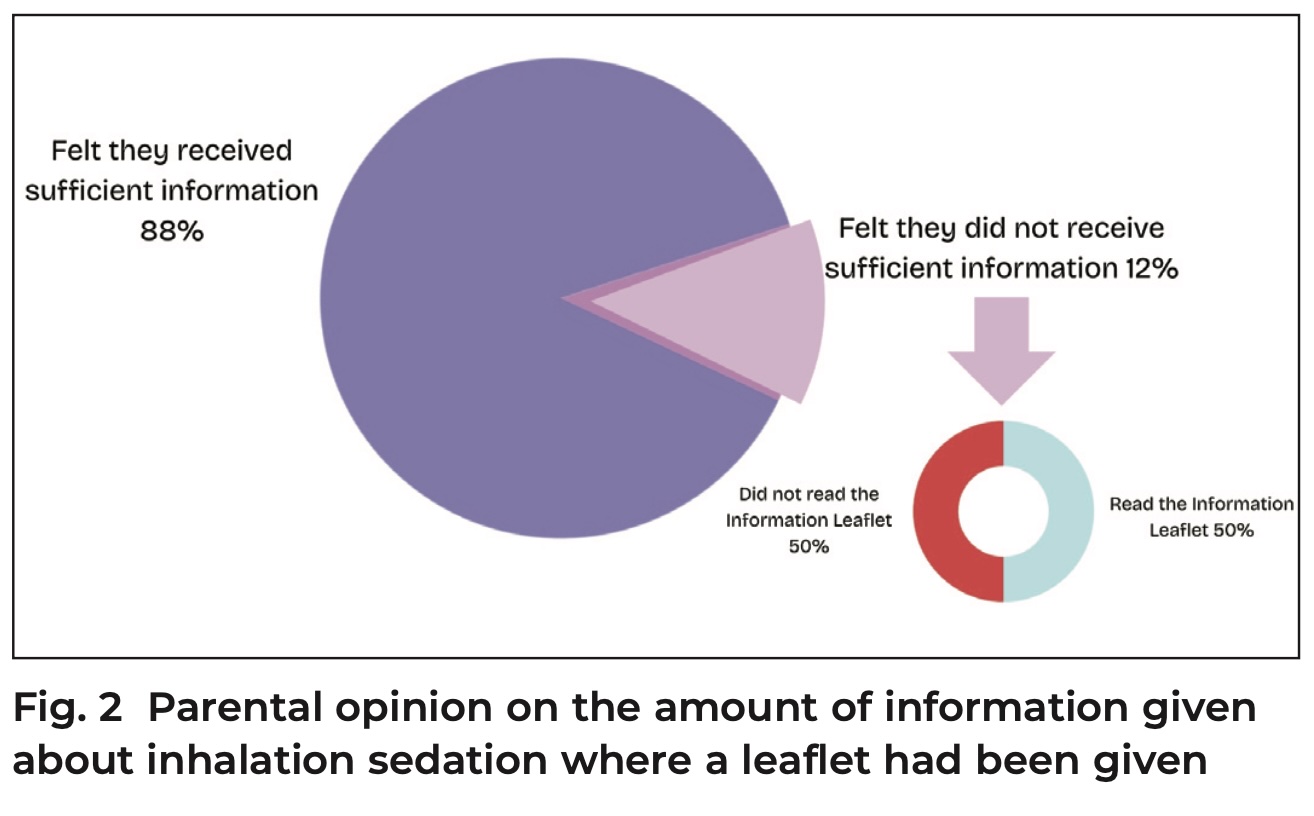
    • 88% believed they had enough information to make an informed choice
    • One of the two parents who thought they did not have enough information had not read the leaflet
  • Feedback on digital resources :Most parents found the information leaflet helpful. Anecdotally, the video received positive feedback from those parents who had viewed it for its effectiveness in helping visualise IHS. 

Digest 421 R4 Tables 1 and 2

Digest 421 R4 Fig 1

Digest 421 R4 Fig 2


Qualitative feedback
(clinician observations)


Clinicians anecdotally observed improvements throughout the assessment process:

  • Parents showed more confidence in discussing treatment modality options
  • The video visually explained IHS for families, clarifying that IHS was not a chairside GA and helping parents better advocate for what their child might manage as part of their dental treatment
  • Clinicians reported that some appointments were more efficient as families attended with baseline knowledge of IHS.

Discussion


The information leaflet provided information in both written and visual formats to help parents understand IHS as a treatment option. This supports shared decision-making between parents and clinicians for suitable case selection, which can reduce failed IHS. Parents were better prepared by sending the information package ahead of the appointment.

Results showed many parents were unaware their child had been referred for IHS. This highlights that improvements are needed in communication at the stage of the GDP, making an onward referral.

The leaflet currently does not mention the use of local anaesthesia (LA) injections as part of treatment, as procedures carried out using IHS will vary, and LA may not always be included. Clinicians verbally explain LA during the assessment appointment, where required; however, to better manage parental expectations, this could be added to the information leaflet.

A digital leaflet aligns with environmental sustainability goals, but printed resources are also required to ensure accessibility standards, as not all families will have access to digital resources.

This digital resource can be implemented into the standard new patient procedure by providing an information package when booking the assessment appointment. Only 31% of parents viewed the video; in future implementation, embedding the video directly into an email instead of a QR code may be more effective.


Limitations


  • Limited sample size
  • Short follow-up period
  • This QIP has not collected direct data on reducing sedation failure rates in either of the two groups of patients surveyed; however, it could obtain this information in cycle two of the local audit assessing failed IHS, leading to a subsequent GA.

The leaflet measured parents’ perceived understanding of IHS. It would be possible to validate the parents' knowledge of IHS by conducting a study comparing the knowledge gained by two groups of parents as suggested by Bacher.9 In this study, each group would receive a questionnaire with theoretical questions about IHS. One group would have been given the leaflet, while the other group would not, allowing for a comparison of their actual knowledge.

The parental questionnaire used, following the introduction of the information resources, could also be redesigned in the future to ask more specific questions, such as ‘Were there any words you did not understand?’ and use direct feedback to make amendments to the leaflet to better meet the objectives of the QIP. This model was successful in a King’s College London study on the development of a new patient website.10

The patient leaflet was designed with accessibility in mind; however, the Flesch Reading Ease Score could be used to assess reading age, and in the future, consider developing an EasyRead option.11


Conclusion


This QIP illustrates that educational interventions can improve parents’ perceived understanding of IHS. The impact of this intervention in reducing failed IHS and the resultant reduction in N2O pollution could be measured in another audit cycle of failed IHS. 


Action Plan


Text

  1. Presentation of QI results to CDS staff at quarterly staff meeting 
  2. Implementation of a new digital information leaflet on inhalation sedation sent to parents / guardians before assessment appointments into standard procedure
  3. Translate the leaflet into multiple languages
  4. Plan to commence the second cycle of the failed IHS GA conversion audit six months after the complete rollout of the digital information leaflet
  5. Plan an audit to evaluate the benefit of nurse-led acclimatisation in reducing failed IHS
  6. Explore other options to reduce nitrous oxide pollution with the dental team, such as:
  • Consider introducing catalytic cracking technology, which breaks nitrous oxide into harmless components
  • Review the Standard Operating Procedure (SOP) for inhalation sedation, incorporating guidance for clinicians to taper off the nitrous oxide dosage once the procedure's most challenging part, such as administering local anaesthetic, has been completed
  • Explore alternatives to IHS for the management of dental anxiety, including hypnosis, music therapy, and virtual reality handsets. These could be instead of or alongside IHS to enhance its effectiveness.

Digest 421 R4 Fig 3 v3

Digest 421 R4 Fig 4

Digest 421 R4 Fig 4A

Digest 421 R4 Fig 4BDigest 421 R4 Fig 5


References


1. Royal College of Anaesthetists. Your Anaesthetic Environment [Internet]. Online information available at: https://rcoa.ac.uk/patients/about-anaesthesia-perioperative-care/your-anaesthetic-environment (accessed January 2025).

2. IPCC. Climate Change 2007: The Physical Science Basis. Contribution of Working Group I to the Fourth Assessment Report of the Intergovernmental Panel on Climate Change [Internet]. Online information available at: https://www.ipcc.ch/report/ar4/wg1/ (accessed January 2025).

3. Society for the Advancement of Anaesthesia in Dentistry. Climate and N2O [Internet]. Online information available at: https://www.saad.org.uk/index.php/climate-n2o (accessed March 2025).

4. Simonsmeier B A, Flaig M, Simacek T, Schneider M. (2021). What sixty years of research says about the effectiveness of patient education on health: a second order meta-analysis. Health Psychol Rev. 2022; 16, 450-474. doi: 10.1080/17437199.2021.1967184.

5. Kent Community Health NHS Foundation Trust. A guide to inhalation sedation [Internet]. Online information available at: https://www.youtube.com/watch?v=UoZEO68rxYw (accessed September 2024).

6. Wylde V, Brennan S, Johnson E, Roberts K, Beswick AD, Jameson C. Recommendations for developing accessible patient information leaflets for clinical trials to address English language literary as a barrier to research participation. Trials. 2024; 624. doi: 10.1186/s13063-024-08471-5.

7. National Literacy Trust. Information on adult literacy in the UK and our Books Unlocked Programme. Online information available at: https://literacytrust.org.uk/parents-and-families/adult-literacy/ (accessed September 2025).

8. Wirral Intelligence Service. Census 2021: Wirral Council Data Pack. Online information available at: https://www.wirralhealthwellbeingknowledgehub.co.uk/media/itlmemmm/census-data-pack-28-10-2020-final.pdf (accessed September 2025).

9. Bacher H, Schweyen R, Vordermark D, Leplow B, Hey J. Development and Validation of an Information Leaflet on Oral Care for Irradicated Patients. Patient Prefer Adherence. 2020; 14, 1791-1799. doi: 10.2147/PPA.S256990.

10. Adams A, Davies V, Stubbs B. Producing a new website for paediatric liaison mental health team with our service users. BMJ. 2020; 9. doi: 10.1136/bmjoq-2020-001128.

11. NHS England. Good communication with patients waiting for care. [Internet]. Online information available at: https://www.england.nhs.uk/long-read/good-communication-with-patients-waiting-for-care/ (accessed September 2025).

Essay

Download article 2

Please click on the tables and figures to enlarge


 Remimazolam in older patients: a game-changer in procedural sedation?


J Patel*1 BDS (Hons), MFDS
1Specialty Trainee in Special Care Dentistry (ST2) with Barts Health Trust
*Correspondence to: Jeena Patel
Email: jeena.patel2@nhs.net
DOI: 10.63507/GYXY4485


Abstract


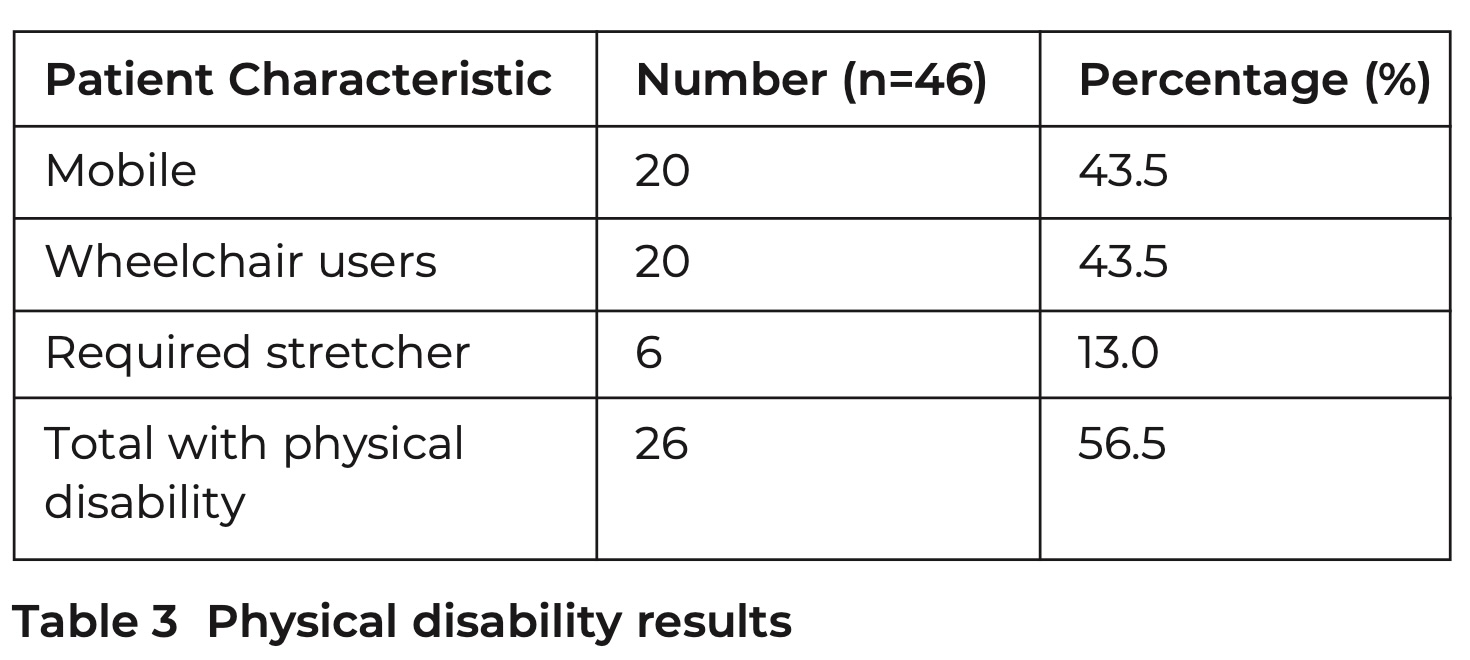
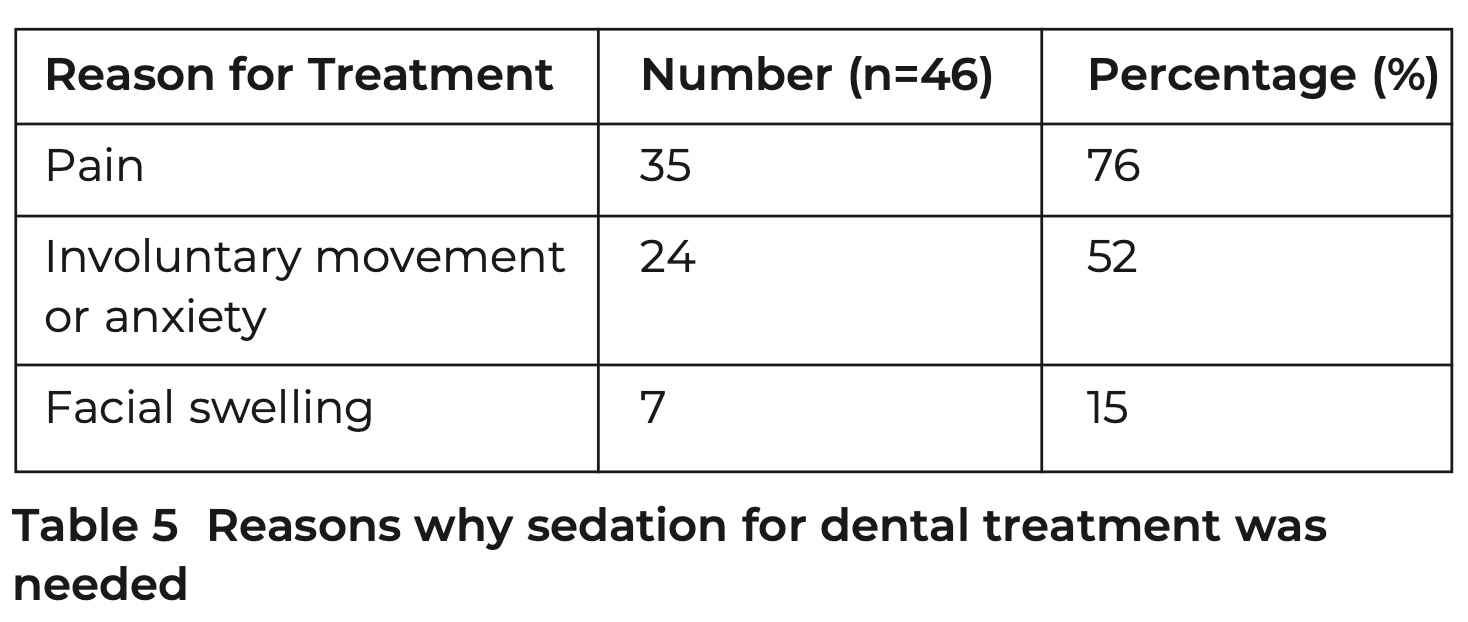
This essay examines the use of remimazolam in a dental hospital setting for patients over 65 over the past two years. Remimazolam has emerged as a game-changer in sedation, particularly for older patients who face various challenges such as dementia, multiple co-morbidities, kidney disease or a high BMI. These patients may also have physical disabilities, requiring the use of wheelchairs or special accommodations such as stretchers to access treatment. Traditional sedatives often present risks in such individuals, however, remimazolam has shown to offer a safer alternative with its rapid onset, short duration of action and minimal impact on cardiovascular and respiratory systems.1 This makes it especially valuable for older adults, enabling them to undergo necessary procedures, such as dental care, that they might otherwise avoid due to sedative risks or physical constraints. Remimazolam has proven to be effective in helping these patients receive conscious sedation for medical interventions.2 It has also now been useful for dental treatments and improving accessibility to care that was previously challenging. Its ability to provide safe and effective sedation to a vulnerable population marks a significant advancement in geriatric anesthesia and sedation management, ensuring that older patients with complex medical conditions can receive essential dental and medical care with reduced risk and improved outcomes.


Background


The focus of this project is on patients aged 65 and over due to the rapidly growing aging population. Barrow and Ashley3 highlight in their article that as the number of older individuals increases, so do the challenges faced by the dental profession in providing appropriate care. This demographic is more likely to experience physical and medical health conditions that complicate treatment, such as mobility limitations, multiple comorbidities and cognitive impairments like dementia. These factors can make routine dental procedures more complex and necessitate specialised approaches to sedation and patient management where treatment cannot be accepted with behaviour management and local anaesthesia alone.

Remimazolam has been widely discussed for its safe and effective use in older individuals,2 offering a viable sedation option for those who might otherwise struggle to receive dental care. Jin and Xue2 expand on the predictable pharmacokinetics, reduced impact on cardiovascular and respiratory function and rapid recovery time which make it particularly well-suited for elderly patients with medical complexities. By focusing on this population, this project aims to evaluate how remimazolam can improve access to dental treatment for older adults and address the unique challenges they face in receiving care.

  • Organ-independent metabolism enables safer sedation in older adults 
    Remimazolam is metabolised by tissue esterases rather than the liver or kidneys, allowing predictable clearance and reducing risk in patients with renal or hepatic impairment
  • Rapid onset and recovery improve efficiency and patient experience
    Its quick induction and short elimination half-life allow faster discharge, minimal post-operative monitoring, and the ability to treat more medically complex patients
  • Effective and reversible sedation with a favourable safety profile
    Remimazolam provides reliable conscious sedation with minimal cardiorespiratory depression and can be reversed with flumazenil, compared with traditional benzodiazepines.

Introduction - what is remimazolam?


Remimazolam was introduced to the Barts Health dental team around 2018, when it was initially being explored as a potential sedative option in the medical field. By 2022, it began to gain significant momentum within the field of dentistry. This novel sedative, often referred to as a ‘soft drug’,4 had already shown success in medical procedures like bronchoscopies and colonoscopies, demonstrating its potential for facilitating safe and effective sedation.5 Goudra and Singh6 describe remimazolam as an innovative drug that combines the properties of two established medications - midazolam and remifentanil - creating a unique anesthetic option. One of its standout features is its organ-independent metabolism, as it is broken down by tissue esterases in the blood, avoiding reliance on the kidney or liver.7 Furthermore, as noted by the European Medicines Agency4 this property contributes to its rapid onset and fast recovery times. Peak sedation is typically achieved within three minutes after the initial bolus, with patients in most cases becoming fully alert 12 to 14 minutes after the last dose.4 Additionally, studies have suggested that remimazolam requires no dose adjustments, even in patients with renal impairment, making it a versatile and promising option for sedation in diverse clinical settings.8 It is supplied in a powder format, which must be reconstituted using saline before administration. Each vial contains 20 mg of the drug, and the dosage is then titrated according to the guidelines provided by the manufacturer.4 At Barts, we have reviewed the manufacturer’s guidance and the IASCD Remimazolam Statement9 and developed our own local standard operating procedure based on their recommendations.


Pharmacokinetics


Remimazolam is a very short-acting benzodiazepine that induces sedation through GABA receptor activation similar to midazolam, but it is cleared from the body more quickly, giving it a shorter elimination half-life.15 In addition, remimazolam is a methyl ester compound that is rapidly hydrolysed by carboxylesterase-1A to an inactive metabolite (CNS7054). Its metabolism by-passes the cytochrome P450 enzyme system, setting it apart from most other benzodiazepines.16 It exhibits a high, organ-independent clearance because it is metabolised by widely distributed tissue esterases in the blood rather than by any single organ.17 It does not rely on the liver or kidney for metabolism and elimination for the aforesaid reasons.


Method


To collect data on the use of remimazolam for older patients as part of a service evaluation, an existing excel spreadsheet was utilised to track all cases where the drug was administered over the past two years (April 2023 to March 2025) across all patient cohorts in the Dental Hospital. The IASCD Standards for Conscious Sedation in the Provision of Dental Care10 advise maintaining a log to document clinical activity related to conscious sedation. The data were filtered to include patients aged 65 and above, as this is the age typically recognised by NHS England11 to classify an individual as geriatric. Several key factors were examined, including the patients’ physical status, medical history, age, gender and the specific dosage of remimazolam administered. Additionally, the method of administration was explored, noting the bolus dose and the duration of sedation. Further details were gathered on the use of capnography and the use of supplemental oxygen during the procedure. This comprehensive approach allowed for a thorough analysis of the effectiveness and safety of remimazolam in older patients within the dental setting. Additionally, the initial justification for sedation was noted in the data capture too which would help the team analyse these justifications and provide insight into the specific needs of geriatric patients, as well as help assess the appropriateness and effectiveness of remimazolam in various clinical scenarios. Lastly, qualitative data was collected through verbal and written feedback from patients, their escorts, and the sedation staff to gather their perspectives and assess how the sedation was received..


Results


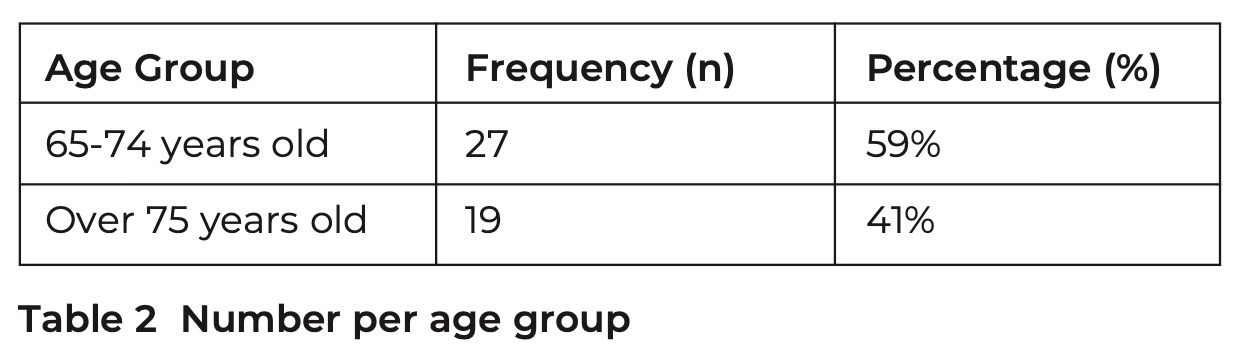
A total of 46 out of 200 cases (23%) involved patients aged 65 and over. The cohort varied in age, ranging from 65 to 91 years old.


Digest 421 E1 Table 2Digest 421 E1 Table 3

Medical history
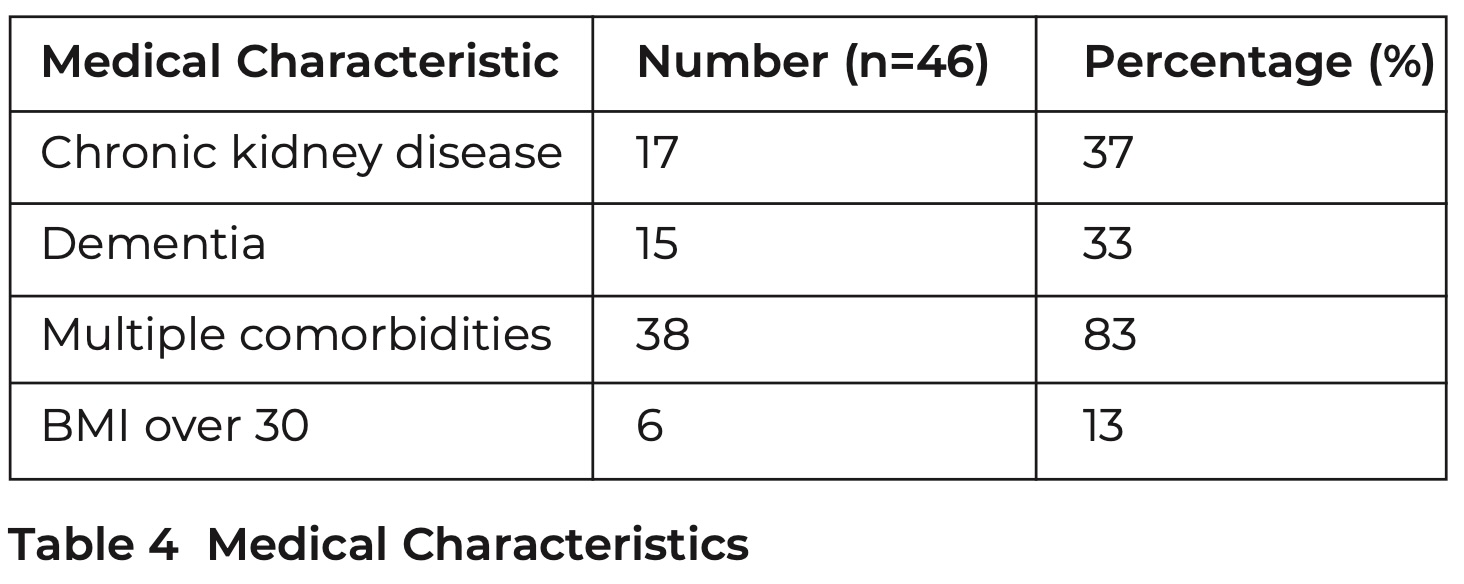
The most common medical conditions included chronic kidney disease. Following this, situated in a secondary care setting, the most common ASA grade treated using remimazolam in this cohort was an ASA 3 due to the 83% of patients who had multiple co-morbidities.
Digest 421 E1 Table 4

Digest 421 E1 Table 5

Remimazolam dose range
The administered doses ranged from a minimum of 2 mg to a maximum of 20 mg.

Reversal
No patients required reversal with flumazenil after receiving remimazolam. However, 5 out of 46 patients who previously had sedation with midazolam required reversal with flumazenil to aid recovery or due to desaturation during their treatment.

Duration of cases
A total of 30 out of 46 cases (65%) lasted less than one hour.

Quality of sedation
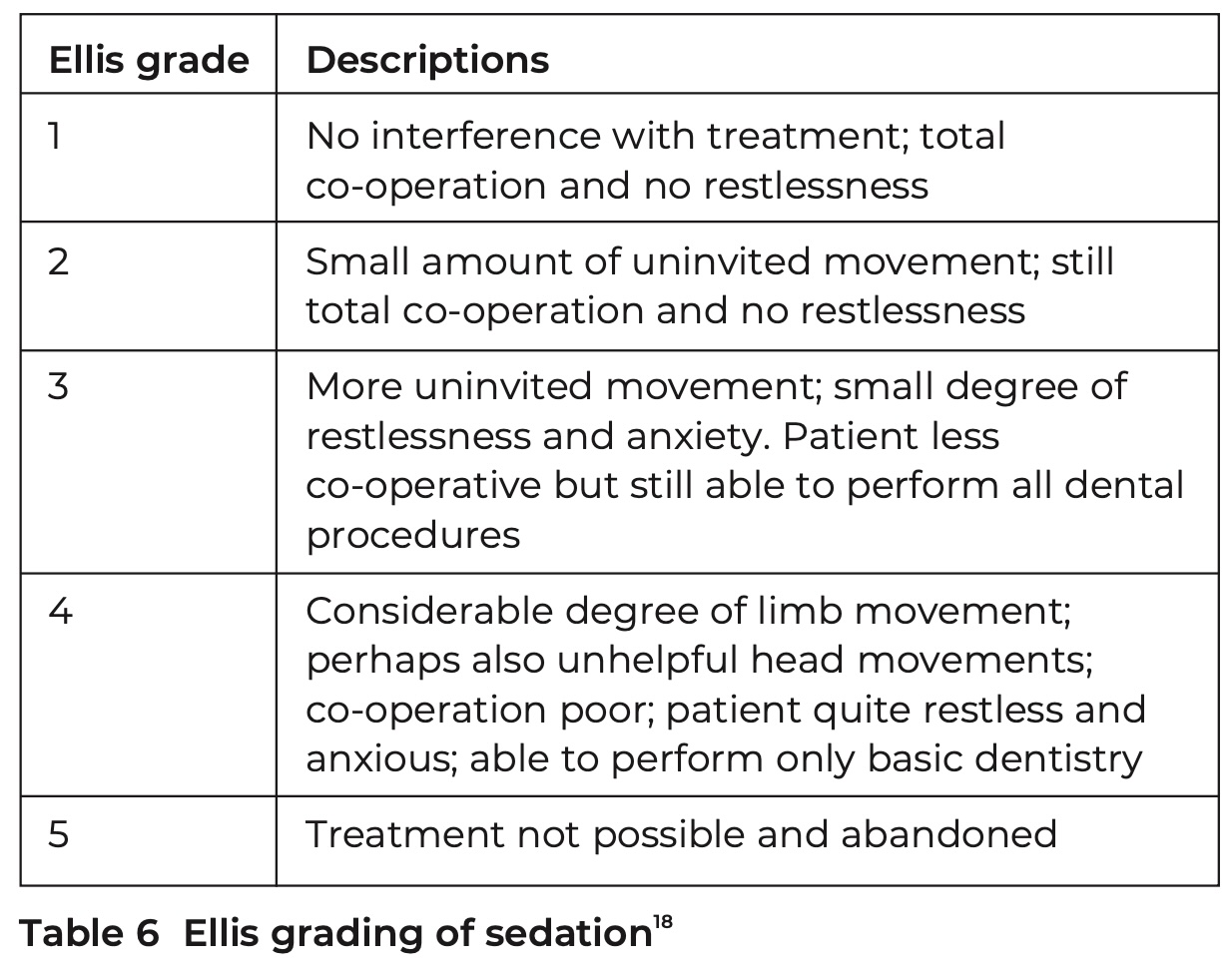
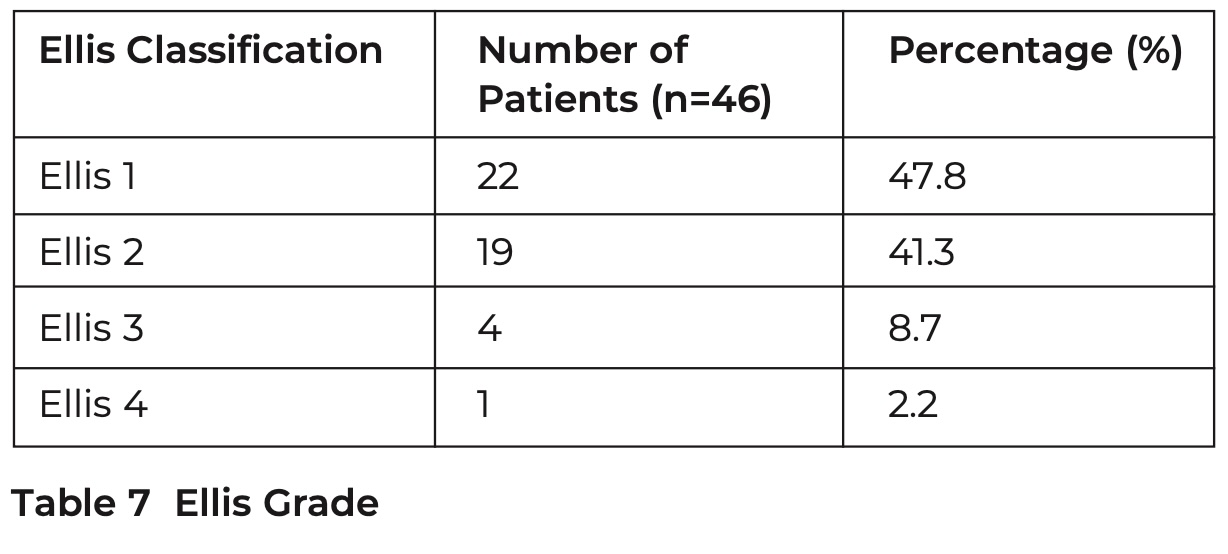
The sedation quality was generally optimal, with 41 out of 46 patients (89%) achieving an Ellis score of 2 or less.

Digest 421 E1 Table 6

Digest 421 E1 Table 7

Capnography monitoring
A total of 14 out of 46 patients (30%) had capnography monitoring during their sedation.

Supplemental oxygen requirement
A total of 18 out of 46 patients (39%) required supplemental oxygen during sedation.

Patient and escort feedback
Patient and escort feedback revealed that most patients had no memory of the procedure, with one person recalling everything. All patients felt they recovered quickly and resumed normal activities, without post-op issues. Most patients would recommend the treatment. The majority felt it was a positive experience, describing it as ’feeling like flying’. Escorts noted that only brief supervision (5 to 10 minutes) was needed post-procedure, rather than full-day care.

Staff feedback
Staff feedback highlighted that remimazolam is fast-acting with quick recovery, enabling treatment of more medically complex patients. However, frequent top-ups were challenging, especially when the operator also serves as the sedationist. Staff agreed that remimazolam is effective, but some still found midazolam superior in certain cases. These cases, upon reflection, could not be specifically categorised into clear groups, however, there was a pattern showing those patients who had previously been sedated with midazolam preferred sedation with midazolam, over sedation with remimazolam. Remimazolam sedation may be more technique-sensitive, and some clinicians even describe its use as an art. This could explain why some practitioners feel more comfortable with the greater predictability of midazolam and therefore view it as superior. However, with increased familiarity and experience, these perceptions may evolve. Due to the fast and predictable recovery time, staff believed treatment sessions could be scheduled more efficiently, allowing for the possibility of seeing more patients per session.


Discussion


The results of this project demonstrate several key advantages of using remimazolam in older patients. One of the most notable findings is that patients previously sedated with midazolam 5/46 (11%), who required reversal with flumazenil, did not need reversal when switched to remimazolam. This highlights the drug’s rapid onset and predictable recovery profile. Furthermore, of note is that remimazolam can also be reversed using flumazenil, the same agent used for midazolam reversal.13 This simplifies medication management in dental practices, as there is no need to stock an additional reversal agent, offering operational efficiency.

A key benefit of remimazolam is its suitability for patients with renal impairment. The data indicates that 37% of patients in the study had chronic kidney disease, a condition commonly seen in the elderly. Importantly, as mentioned by Stöhr and Colin et al., 8 no dose adjustments are necessary for patients with hepatic or renal impairment, and no unexpected adverse events were observed in patients with kidney issues. This makes remimazolam particularly beneficial for elderly patients, many of whom may suffer from liver or kidney conditions. The drug’s ability to be used without adjustments ensures a more streamlined and safer sedation process.

Yang et al.,14 emphasise that for patients with dementia, general anesthesia presents risks such as post-operative delirium, which can hinder recovery and prolong hospital stays. However, remimazolam has been associated with no increased incidence of post-operative delirium, making it a safer option for dementia patients.14 In this study, 15 out of 46 patients had dementia and they were able to receive dental treatment without the common complications associated with traditional sedatives.

Another critical aspect highlighted by the data is the presence of physical disabilities in more than 50% of patients. Many of these patients required assistance with transfers and mobility. Remimazolam’s rapid recovery time allows these patients to receive the necessary sedation for dental treatment while minimising the need for prolonged post-operative monitoring. This is particularly important for patients who may experience anxiety or involuntary movements during procedures. The quick recovery ensures that they can return to baseline functionality and resume normal activities, such as attending to daily tasks or being safely transferred in and out of wheelchairs.

Additionally, a small fraction of patients in the study had a high BMI. The article by Lee and Park et al.,1 indicates that factors such as age, weight and gender do not significantly affect the pharmacokinetic properties of remimazolam. This is advantageous as patients with higher BMIs traditionally require careful sedation management due to body composition’s impact on drug distribution. Remimazolam’s predictable pharmacokinetics, unaffected by these factors, offer a safer and more reliable sedation option for patients with obesity or weight-related health conditions.1

The sedation data supports these findings, with 41 out of 46 cases achieving an Ellis score of 2 or lower, indicating good sedation quality with minimal disruption. Staff feedback confirmed these positive results, reinforcing remimazolam’s effectiveness in facilitating dental care for older patients with complex medical conditions.

Although 39% of patients required supplemental oxygen, there were various reasons for this. In some cases, oxygen was administered as a precaution as it was a new drug for the team, while in others it was given in response to when patients exhibited signs of minimal respiratory effort. It could be deduced the use of oxygen was primarily aimed at maintaining adequate and safe oxygen levels for patients. To support this further Jin and Xue2 state remimazolam has a minimal effect on respiration. Furthermore, the records do not indicate any significant instances of concerning desaturation among the 46 cases, suggesting that oxygen administration was primarily precautionary rather than essential in most, if not all, cases. Regarding capnography, current guidelines by the IASCD10 support its use for monitoring deeper levels of sedation, as it provides valuable insights into respiratory status. Regarding remimazolam, its properties provide a light to moderate level of sedation, suggesting that capnography is not essential during its use. However, moving forward, incorporating capnography in all cases where possible would be beneficial for more detailed monitoring and risk mitigation, especially since the necessary equipment is available.

A key observation to note from the data is that the maximum dose administered to any patient in this cohort was 20 mg of remimazolam. This is notable because the manufacturer’s clinical trials reported a maximum dose of 17.5 mg, yet they did not specify a definitive maximum dose limit.4 Based on this, it can be inferred that the 20 mg dose administered in our study is still within safe and acceptable boundaries, considering the absence of a formal upper limit. This demonstrates the adaptability and effectiveness of remimazolam in providing sedation for patients with diverse medical conditions, provided that vital signs remain stable and dosing is personalised to each patient’s needs.

However, there are some limitations associated with the use of remimazolam. The current guidance by the IASCD recommends the presence of a separate sedation operator,9 which means two staff members are required to manage the sedation process. This increases staffing demands and may complicate workflows, especially in busy, clinical environments. Additionally, the drug’s rapid onset and recovery necessitate frequent top-ups during procedures to maintain adequate sedation levels. While this rapid recovery is beneficial, it can also pose challenges in managing sedation throughout the treatment. Despite these limitations, the overall benefits of remimazolam, especially for older patients and those with multiple comorbidities, make it a valuable tool in modern dental practice.


Conclusion


In conclusion, the data collected for this project demonstrates that remimazolam has proven to be a successful choice of sedative for patients over the age of 65, allowing them to receive the necessary dental care while overcoming barriers often faced by this patient cohort. The findings suggest that remimazolam’s quick onset, fast recovery and organ-independent metabolism make it an ideal option for older patients with complex medical needs and physical disabilities. This has helped ensure that these individuals are not deprived of essential care due to sedation-related concerns. The dental team at Barts Health continues to endorse the use of remimazolam, recognising its benefits in improving patient outcomes and facilitating, as shown in studies, a safer and more effective treatment for the older patient.


Declaration of Interest


 Nil.


Ethics


 HRA Tool outcome: My audit is not research.


References


1. Lee J M, Park Y, Ahn D W et al. Remimazolam, a novel drug, for safe and effective endoscopic sedation. Clin Endosc. 2025; 58: 370-376. DOI: 10.5946/ce.2024.026.

2. Jin N, Xue Z. Benefits of remimazolam as an anesthetic sedative for older patients: A review. Heliyon. 2024; 10:e25399. DOI: 10.1016/j.heliyon.2024.e25399

3. Barrow H, Ashley M. Oral healthcare in the older population: An increasing challenge to the UK dental profession. Dent Update. 2025;48:119-124. DOI:10.12968/denu.2021.48.2.119

4. European Medicines Agency (EMA). Byfavo, Remimazolam. Online information available at: https://www.ema.europa.eu/en/documents/product-information/byfavo-epar-product-information_en.pdf (accessed March 2025).

5. Silvestri G, et al. Sedation with IV remimazolam provides rapid onset, recovery, and discharge readiness in bronchoscopy patients: results from a randomized clinical trial. Chest. 2021;160(4):A2033-A2034.

6. Goudra B G, Singh P M. Remimazolam: The future of its sedative potential. Saudi J Anaesth. 2014;8(3):388-391. DOI: 10.4103/1658-354X.136627. 

7. Pambianco D J, Cash B D. New horizons for sedation: The ultrashort acting benzodiazepine remimazolam. Techniques in Gastrointestinal Endoscopy. 2016;18(1):22-28 DOI:10.4253/wjge.v16.i7.385

8. Stöhr T, Colin PJ, Ossig J, et al. Pharmacokinetic properties of remimazolam in subjects with hepatic or renal impairment. Br J Anaesth 2021;127:415–423 DOI:10.1016/j.bja.2021.05.027.

9. Remimazolam for intravenous conscious sedation for dental procedures. IACSD standard on clinical use and training. Available at: https://www.rcseng.ac.uk/-/media/FDS/IACSD/IACSD-remimazolam-Statement-130623.pdf (accessed March 2025).

10. The Dental Faculties of the Royal Colleges of Surgeons and the Royal College of Anaesthetists. Standards for conscious sedation in the provision of dental care (V1.1). Report of the intercollegiate Advisory Committee for Sedation in Dentistry 2020. Available at: https://www.rcseng.ac.uk/dental-faculties/fds/publications-guidelines/standards-for-conscious-sedation-in-the-provision-of-dental-care-and-accreditation/ (accessed March 2025).

11. NHS England. Improving care for older people. Available at: https://www.england.nhs.uk/ourwork/clinical-policy/older-people/improving-care-for-older-people/#:~:text=Generally%2C%20someone%20over%20the%20age,healthier%20than%20someone%20aged%2060. (accessed March 2025).

12. Sheahan CG, Mathews DM. Monitoring and delivery of sedation. Br J Anaesth. 2014113(2):37–47. DOI:10.1093/bja/aeu378.

13. Kim KM. Remimazolam: pharmacological characteristics and clinical applications in anesthesiology. Anaesthesia and Pain Medical Journal. 2022;17:1- 11 DOI: 10.17085/apm.21115.

14. Yang JJ, Lei L, Qiu D, et al. Effect of Remimazolam on Postoperative Delirium in Older Adult Patients Undergoing Orthopedic Surgery: A Prospective Randomized Controlled Clinical Trial. Drug Des Devel Ther. 2023;17:143-153. DOI:10.2147/DDDT.S392569,

15. Kim SH, Cho JY, Kim M, Chung JM, Yang J, Seong C, Kim EG, Seok JW, Shin YM, Lee KM, Choe KH, Han JH, Yang B. Safety and efficacy of remimazolam compared with midazolam during bronchoscopy: a single-center, randomized controlled study. Sci Rep. 2023;13(1):20498. DOI: 10.1038/s41598-023-47271-w.

16. Van-Anh D, Frank S, Thomas S. Efficacy of remimazolam versus midazolam for procedural sedation: post hoc integrated analyses of three phase 3 clinical trials. Endosc Int Open. 2022;10:E378–85.

17. Elmati PR, Nagaradona T, Jagirdhar GSK, Surani S. Remimazolam in intensive care unit: Potential applications and considerations. World J Crit Care Med. 2024;13(3):96877. doi: 10.5492/wjccm.v13.i3.96877.

18. Ellis S. Response to intravenous midazolam sedation in general dental practice. Br Dent J. 1996; 180: 417–20. DOI:10.1038/sj.bdj.4809108.

Essay

Download article 2

Please click on the tables and figures to enlarge


 Should capnography be compulsory for
dental sedation in medically complex patients (ASA III/IV)?


C E Y. Draper
Year 5 BDS student, School of Dentistry, Cardiff University
Correspondence to: Cara Draper
Email: cara.draper@nhs.net
DOI: 10.63507/XHSW5072


Abstract


Conscious sedation is a useful tool for treating dental phobic and medically complex patients, but side effects include hypoxaemia and hypoxia. Conscious sedation is usually monitored via clinical monitoring and the use of pulse oximetry, which measures oxygen saturation levels and signals when rescue measures may be required. Capnography monitoring is suggested to be an earlier indicator of adverse events, which measures the concentration of carbon dioxide in the patient’s expired air sample.

American Society of Anaesthesiologist (ASA) class III and IV or ‘medically complex’ patients are at a higher risk of adverse events during sedation. Current UK guidelines state that capnography is not compulsory during procedural sedation for dental procedures but could be suitable for certain high-risk ASA grade III/IV dental patients, especially those receiving supplemental oxygen.

This review will explore the literature investigating the benefit of capnography monitoring for medically complex patients undergoing dental sedation. Studies suggest that capnography is superior to pulse oximetry in preventing and detecting hypoxaemia alongside other adverse events, but more specifically when supplemental oxygen is required. ASA III/IV patients may therefore benefit from capnography being used as a standard monitoring technique.


Key learning points


  • Current research on capnography for dental sedation is limited and primarily based on studies from other medical procedures, highlighting the need for dental-specific evidence and standardized outcome measures
  • Studies have demonstrated capnography to be superior to pulse oximetry in detecting hypoxaemia, particularly when supplemental oxygen is used, and provides valuable insights into the causes of hypoxaemia
  • Capnography should complement, not replace, standard monitoring practices, and considerations such as cost, potential equipment malfunctions, and the need for additional staff training must be addressed should be considered.

What is conscious sedation?


Conscious sedation is ‘an approach that uses one or more drugs to produce a state of central nervous system (CNS) depression while maintaining verbal contact with the patient throughout the procedure’ 1, 2 and is instrumental in the treatment of dentally anxious and special care patients.3


Dental sedation techniques


Basic methods of sedation include inhalational sedation with nitrous oxide and oxygen and single drug intravenous sedation usually with midazolam.2 Advanced techniques may involve certain drugs, drug combinations, or combined routes of administration.2

Benzodiazepines like midazolam bind to CNS receptors, causing hyperpolarisation and reduced neural excitability, leading to CNS depression, with varying levels of anxiolysis, sedation, amnesia, and muscle relaxation. At appropriate dosages, they reduce anxiety with minimal respiratory and cardiovascular effects.4, 5


Risks of sedation and medically complex patients


As sedation deepens, respiratory depression and airway compromisation may require intervention.6 As there may be considered to be a spectrum of sedation degree, moderate sedation can shift to deep sedation.7 Whilst adverse events are rare, conscious sedation is not entirely risk-free.

A severe consequence of prolonged ventilatory depression, obstruction or hypoventilation is hypoxaemia and hypoxia, which are leading causes of morbidity and mortality during general surgical and dental anaesthesia.8, 9

Each patient’s response to sedation is unique, so deeper sedation than expected may occur.6 The sedation team must be competent to ‘rescue’ the patient if an adverse event arises.10 While UK dental sedation morbidity and mortality data appears unpublished, an American review retrospectively investigating 143,000 cases of moderate sedation with midazolam and propofol found ‘52 adverse events consisting of over sedation, hypoxia, need for prolonged bag ventilation and/or requirement of reversal agents’.11

ASA class I/II patients can normally be sedated in primary care, whilst ASA class III/IV patients with conditions such as high BMI, COPD and hypertension, present higher risks of hypoxaemia during sedation and should be referred to secondary care as ‘medically complex’.2, 12


Monitoring


The clinical, electrical and mechanical monitoring of a sedated patient required, is dependent on the patient’s medical status and sedation technique used.13

Clinical monitoring
‘Clinical monitoring during sedation involves checking the level of consciousness/depth of sedation, airway patency, respiration, skin colour, capillary refill, pulse rate, rhythm and volume’10

Although clinical monitoring is the priority for identifying complications during sedation, for all techniques other than nitrous oxide / oxygen sedation, pulse oximetry and blood pressure monitoring is crucial. As Coomar4 noted, hypoxaemia is clinically detectable only when oxygen saturation falls below 80%.4

Pulse oximetry
Pusle oximetry is a non-invasive method of continuously measuring a patient’s oxygen saturation levels (SaO2), enabling earlier detection of hypoxia compared to clinical monitoring alone. SaO2 is defined as the percentage of available binding sites on haemoglobin that are bound with oxygen in arterial blood and is only an indirect measurement of PaO2 (the percentage of available binding sites on haemoglobin that are bound with oxygen in arterial blood). There is a delay of at least 20-30 seconds between airway obstruction and a decrease in oxygen saturation.7, 14

Capnography
Whilst pulse oximetry measures oxygenation, capnography assesses ventilation.

Capnography uses infrared spectrometry to measure the concentration of carbon dioxide instantly and continuously in the expired air sample collected from a nasal or oronasal cannula. This is displayed in real time as a waveform (capnogram), allowing the operator to detect immediate changes in ventilation.6, 15 Furthermore, respiratory rate is recorded, along with the maximum concentration of CO2 at the end of expiration (End-Tidal CO2) which is displayed in numerical format and termed ‘capnometry’ and is a reliable indicator of the CO2 level of arterial blood and ventilation adequacy.

Literature suggests that capnography is superior to any other device at detecting airway obstruction, identifying it 5 to 240 seconds earlier than pulse oximetry.16 It can also help diagnose conditions such as heart failure, cardiac arrest and hypotensive shock which is particularly important for treating ASA III/IV patients.17

When equipped with oxygen delivery, the oronasal cannula can correct desaturation by delivering oxygen, and unlike pulse oximetry, capnography is not affected by supplemental oxygen masking early hypoventilation.18, 19


Guidelines for the use of capnography in sedation


Capnography recommendations differ between the UK and the USA.

The American Society of Anesthesiologists (ASA) recommends capnography for moderate or deep sedation, supported by the American Dental Association (ADA) and American Association of Oral and Maxillofacial Surgeons.20-22

The UK guidance address conscious sedation specifically. The Standards for Conscious Sedation in the Provision of Dental Care,10 state capnography is not compulsory during procedural sedation for dental procedures but ‘may be appropriate for some ‘at risk’ ASA grade III/IV dental patients, particularly those receiving supplemental oxygen during sedation, however, its routine use for ASA grade I and II dental patients lacks high level scientific validation and cannot be recommended’10 and emphasise maintaining verbal contact with patients.

The emphasis in the UK guidelines is that operator-sedationists should be practising conscious sedation and this is likely the reason as to why the guidelines differ regarding monitoring. The terms ‘moderate or deep sedation’ suggest loss of verbal contact and may be indicative of multi-drug sedation.


Why is this an important topic?


Capnography is required for deep sedation but remains debated for conscious sedation. Evidence supports its use in non-intubated patients, particularly in emergency medicine and endoscopy.23-25 A recent review estimated 300,000 to 400,000 patients receive sedation across UK hospitals and practices.26 This technology could enhance safety in dental settings by providing ‘early warnings’ but would add significant cost to services if made compulsory.26


What type of research is available?


The relevant randomised control trials comparing capnography to pulse oximetry during conscious sedation use similar methods.16, 19, 27-34 Clinicians in the control group are blinded to the capnography monitor, which is visible to an independent observer. In the capnography group, both the independent observer and clinicians can see the monitor. The primary outcome, measured by SpO2, is termed differently across studies: hypoxaemia, hypoxia, or oxygen desaturation. Secondary outcomes include apnoea and hypoventilation. While various sedation agents and medical procedures have been studied, only one study was conducted in a dental setting.29 


What does this evidence suggest?


Respiratory depression and obstruction are the major causes of hypoxaemia in a patient undergoing sedation. This can include apnoea, hypoventilation and bradypnea. Timely intervention upon detecting these issues can effectively prevent hypoxaemia, hypercarbia, respiratory acidosis, and subsequent cardiopulmonary arrest in extreme cases. Studies have found capnography to be superior to pulse oximetry in the prompt detection of ventilatory depression and obstruction. Pulse oximetry only provides a proxy marker of ventilatory function when the patient is breathing room air as it relies on a subsequent drop in SpO2. Because of this, once supplemental oxygen is applied, oximetry has been shown to be insufficient in confirming adequate ventilation. As a result, ‘significant alveolar hypoventilation can occur in the presence of a normal SaO2 by pulse oximetry’.35 Capnography, however, provides an immediate and direct indication by detecting the absence of exhaled CO2 and can provide clinicians more time to perform the interventions necessary to rescue the patient, regardless of supplemental O2. The following discussion is divided into outcome measures.

1. Apnoea
Beitz, Riphaus33 found that capnography detected significantly more apnoea episodes than clinical observation.33 This is consistent with a study assessing patients undergoing sedation for an endoscopy which found pulse oximetry detected only 50% of apnoea episodes and visual assessment detected none.35 This emphasises the limitations of relying solely on these methods to identify apnoea. It is worth noting, however, in the unblinded arm of the Beitz, Riphaus33 study, capnography falsely identified 18 apnoea / altered ventilation episodes despite clear respiratory activity in 15 patients, with technical issues being the cause in in five cases and unknown causes in ten. Similarly, another study concluded that clinical observation and pulse oximetry are insufficient for assessing ventilation and noted that capnography falsely detected apnoea or altered ventilation due to displacement of the supplemental oxygen pipeline in five patients.32 Consequently, capnography's specificity and sensitivity must be considered and staff training is essential for accurate alarm interpretation.

In a separate study, no difference in apnoea incidence was observed between the two groups but noted capnography falsely detected apnoea 83 times mainly due to continuous suction during the bronchoscopy.28 As suction is similarly used during dental treatments, clinicians should still be cautious when responding to apnoea alarms by capnography. Another study also found no difference in apnoea incidence between the blinded and unblinded groups, however, blinded capnography measurements revealed that apnoea was detected 83.4 seconds and 98.6 seconds faster than hypoxemia and severe hypoxemia, respectively, compared to pulse oximetry.27 This time advantage likely allowed for early interventions in the capnography group, such as chin lifts or jaw thrust manoeuvres, thereby reducing hypoxaemia events. A prior study monitoring 49 sedated patients undergoing therapeutic upper endoscopy, found that pulse oximetry detected only 50% of apnoea or altered ventilation events in 49 sedated patients, with delays of up to two minutes.35 As clinical observation and pulse oximetry are inconsistent in detecting apnoea, relying on them alone is risky. Thus, capnography’s early warning system could be crucial for preventing sedation- related complications, morbidity and mortality.

2. Hypoventilation
A study reported higher hypoventilation rates in the blinded group, while the capnography group had timelier interventions. Those interventions not aligned with hypoventilation had higher odds of oxygen desaturation below 95%.31 This supports routine capnography for sedated patients, as it more effectively detects hypoventilation, enabling faster intervention and reducing the risk of hypoxemia compared to standard monitoring. This study's limitations include a convenience sample of children aged one to 20 who could tolerate the capnography cannula, limiting generalisability. Furthermore, the Hawthorne effect may have made the staff more attentive, but it is unlikely this could affect their ability to detect hypoventilation. Finally, ketamine, which is uncommon in dental sedation, was used in most patients, which may lead to a difference in frequencies of events.

3. Oxygen supplementation
Lightdale and Goldmann36 found that ‘after oxygen supplementation was started due to hypoxemia, significantly more patients in the standard monitoring arm had recurrent hypoxemia compared with the capnography arm’. Concerningly, this finding is concurrent with previous studies that suggest that supplemental oxygen, masks the ability of pulse oximetry to detect abnormalities in respiratory problems,37 leading to a delay between an apnoea episode and significant SpO2 decline that can be 45-60 seconds long.28, 38 These findings may appear to be more relevant in general sedation situations where oxygen is consistently administered, as opposed to conscious sedation, where it is typically given as a rescue for hypoxaemia.

In medically complex patients undergoing conscious sedation monitored only by pulse oximetry and clinical monitoring, where the risk of hypoxaemia is higher, should hypoxaemia be diagnosed the clinician will be aware that as supplemental oxygen is administered, the value of the oximetry readings may become a less useful diagnostic tool. Consequently, the clinician may tend to avoid using supplemental oxygen until absolutely necessary leading to a shortened period between respiratory depression and arterial desaturation. Conversely, capnography accuracy remains unaffected by the introduction of supplemental oxygen.

Furthermore, a study showed found there to be a longer mean time delay between the detection of apnoea and hypoxemia or severe hypoxemia in the standard monitoring group, suggesting that regardless of supplemental oxygen ventilation, monitoring by capnography could allow more clinical time to react to hypoxemia events compared to pulse oximetry.27

Conversely, a study assessing adults breathing room air found pulse oximetry usually detects respiratory events before capnometry.39 This unexpected result may be because capnometry, rather than capnography, was used. Capnometry records only numerical CO2 values, whereas capnography provides continuous waveform analysis and is considered more sensitive.

Overall, it seems that especially when supplemental oxygen is provided for any reason, the pulse oximeter must never be misinterpreted as monitoring ventilation, although the evidence is conflicted.

4. Hypoxaemia, hypoxia, oxygen desaturation 
In theory, if capnography is better at detecting respiratory depression than standard monitoring it should decrease the incidence of hypoxaemia, hypoxia and oxygen desaturation, however, there is still controversy as to the legitimacy of this. 

Several studies report a significant reduction in hypoxaemia incidence in the capnography group compared to standard monitoring.27, 28, 29, 30

A 2011 meta-analysis40 found cases of respiratory depression were 17.6 times more likely to be detected if monitored by capnography than cases not monitored, however, this included studies whose aim was deep sedation where supplemental oxygen and a combination of drugs were used.40

Conversely, two studies found no difference in hypoxaemia incidence.29, 30 This includes the only study based in a dental setting undergoing minor oral surgery, sedated using midazolam without supplemental oxygen unless required.29 A drawback of this study is that researchers concluded the calculation of hypoxemia may be inaccurate due to artifacts, although obvious artefacts were eliminated during analysis. Additionally, the depth of sedation was not recorded which reduced the validity of the study, however, the researchers believed that the randomisation process would have eliminated this bias.

Interestingly, a study found no difference in oxygen desaturation rates between groups.31 This may be because it was not mandatory for the clinicians to intervene for abnormal capnography readings unlike the other studies, with the goal of making the study more like real clinical circumstances, where clinicians might not always intervene immediately for every abnormal capnography reading. This represents how capnography is used in practice, where interventions are determined by a holistic examination of the patient’s condition, not just on capnography values alone.


Limitations of the research


There is a lack of dentistry-specific evidence investigating the use of capnography to monitor dental sedation and a total lack of definitive data confirming the current adverse incident and mortality rate in the UK relating to dental sedation. Much of the research into capnography is based on patients undergoing sedation for medical procedures such as colonoscopy and emergency treatments, with currently only one study specifically investigating minor oral surgery. The variability within the research is further complicated by differences in patient cohorts, sedation conditions, sedation agents, supplemental oxygen delivery conditions, methods used and definitions of measured outcomes. For example, an oxygen saturation of ⩽94% represents a threshold point in dental sedation at which staff act to stimulate a sedated patient, however, some studies use a much lower threshold. Future research would benefit from a focus on dental sedation and the development of a core outcome set which is an agreed standard for essential measurements in all clinical trials. This would improve cross-study comparison and boost the validity of the conclusions drawn.

There is difficulty in applying the conclusions of the current research to the dental sedation of medically complex patients as this is less well researched and so conclusions are largely theoretical. Furthermore, if we were to investigate this, given that there is evidence to suggest capnography is essential when supplemental oxygen is applied, it could be regarded as unethical to withhold additional capnography monitoring and consequential early event alert for a control group of ASA III and IV patients.


Limitations of capnography


Ultimately, capnography should not be a substitute for standard monitoring, but rather a supplement. False positives can occur, leading to unnecessary patient interventions, therefore, it is the responsibility of the clinician to respond to these alarms based on their clinical judgement. Further limitations may include the use of capnography for medical conditions with mixed pathophysiology. Like pulse oximetry, capnography equipment is also subject to malfunctions, such as faulty sensors or leaks. Moreover, the presence of a normal capnogram does not guarantee sufficient oxygenation.41 A rapid review calculated a nationwide costing of over three million pounds if capnography were to be made compulsory for all patients receiving intravenous dental sedation, however, a heuristic method was employed with a high risk of bias / error.26 A cost-benefit analysis should be undertaken to evaluate the use of capnography limited to high-risk patients (ASA III/IV) undergoing dental sedation, who are typically managed in secondary care settings where qualified staff and equipment may already be available, as this approach could significantly reduce overall costs. Developing a ‘sedation register’ for UK dentists could help accurately assess costs, which may be a major barrier to NHS implementation, therefore, it is crucial to assess the advantages to patient safety and determine the potential for redirecting the costs to enhance patient quality of care in other areas.


Conclusion


Research into the effectiveness of capnography for dental sedation is limited and research into its use in other medical areas is varied and difficult to compare, however, compelling evidence suggests that capnography is superior to pulse oximetry in detecting and preventing hypoxaemia, but more specifically when supplemental oxygen is required. Capnography offers insights into the aetiology of hypoxaemia, allowing for targeted interventions. Whilst supplemental oxygen diminishes the accuracy of pulse oximetry, capnography devices allow the delivery of supplemental oxygen whilst maintaining an accurate assessment of the inspired and expired CO2. Dental sedation units should ideally therefore include automatic capnography attachments when delivering supplemental oxygen.

As end-tidal CO2 is directly related to metabolism, cardiac output and pulmonary blood flow, the changes in ventilation and cardiac output detected by capnography also serve as an acute warning of potentially life-threatening conditions such as pulmonary embolus, and cardiac arrest, which is particularly relevant for patients with a complex medical history. As a result, the use of capnography monitoring for the conscious sedation of medically compromised patients (ASA III, IV) undergoing dental treatment, who are more likely to slip into deeper levels of sedation and to require additional oxygen, should perhaps be considered compulsory. Further research in dental-specific settings, where supplemental oxygen is delivered and core outcomes are agreed, is required to confirm this.


Glossary


Acknowledgements


This essay is based on a submission for my research project submission at Cardiff University, School of Dentistry. The project was supervised by Dr Charlotte Richards, Clinical lecturer/StR Oral Surgery. It is entirely my own work.


References


  1. Araújo J d O, Bergamaschi C d C, Lopes L C, et al. Effectiveness and safety of oral sedation in adult patients undergoing dental procedures: a systematic review. BMJ Open. 2021;11:e043363. doi:10.1136/bmjopen-2020-043363.
  2. Scottish Dental Effectiveness Programme (SDCEP). Conscious Sedation In Dentistry: Dental Clinical Guidance 2017 [Available from: Online information available at: https://www.sdcep.org.uk/media/iota3oqm/sdcep-conscious-sedation-guidance-unchanged-2022.pdf
  3. Kapur A, Kapur V. Conscious Sedation in Dentistry. Ann Maxillofac Surg. 2018;8:320–323. doi:10.4103/ams.ams_191_18.
  4. Coomar J. Clinical and electronic monitoring during procedural sedation and analgesia for dentistry. SAAD Dig. 2021;37:56-59.
  5. Weissheimer T, Gerzson A d S, Schwengber H E, Neto A M. Benzodiazepines for conscious sedation in the dental office. Stomatos. 2016;22:42-53.
  6. Bennett J D, Kramer K J, Bosack R C. How safe is deep sedation or general anesthesia while providing dental care? J Am Dent Assoc. 2015;146:705-708. doi:10.1016/j.adaj.2015.04.005
  7. Takaya K, Higuchi H, Ishii-Maruhama M, et al. Capnography Prevents Hypoxia during Sedation for Dental Treatment: A Randomized Controlled Trial. JDR Clin Trans Res. 2017;2:158-167. doi:10.1177/2380084416674670.
  8. Anderson J A, Clark P J, Kafer E R. Use of capnography and transcutaneous oxygen monitoring during outpatient general anesthesia for oral surgery. J Oral Maxillofac Surg. 1987;45:3-10. doi:10.1016/0278-2391(87)90078-4
  9. Iwasaki J, Vann W F, Jr., Dilley D C, Anderson J A. An investigation of capnography and pulse oximetry as monitors of pediatric patients sedated for dental treatment. Pediatr Dent. 1989;11:111-117.
  10. Intercollegiate Advisory Committee for Sedation in Dentistry. Standards for Conscious Sedation in the Provision of Dental Care (V1.1). London: Royal Colleges of Surgeons and Royal College of Anaesthetists; 2020.
  11. Karamnov S, Sarkisian N, Grammer R, Gross W L, Urman R D. Analysis of Adverse Events Associated With Adult Moderate Procedural Sedation Outside the Operating Room. J Patient Saf. 2017;13:111-121. doi:10.1097/pts.0000000000000135.
  12. Baillard C, Boubaya M, Statescu E, et al. Incidence and risk factors of hypoxaemia after preoxygenation at induction of anaesthesia. Br J Anaesth. 2019;122:388-394. doi:10.1016/j.bja.2018.11.022.
  13. Academy of Medical Royal Colleges. Safe Sedation Practice for Healthcare Procedures. London; 2013.
  14. Nagler J M D, Krauss B M D E. Monitoring the Procedural Sedation Patient: Optimal Constructs for Patient Safety. Clin Pediatr Emerg Med. 2010;11:251-264. doi:10.1016/j.cpem.2010.09.007.
  15. Brady P, Gallagher C, McCarthy C, O'Halloran K, McCreary C, Ioham G. Capnography monitoring during dental conscious sedation Oral Surg. 2016;10:131-136.
  16. Deitch K, Miner J, Chudnofsky C R, Dominici P, Latta D. Does end tidal CO2 monitoring during emergency department procedural sedation and analgesia with propofol decrease the incidence of hypoxic events? A randomized, controlled trial. Ann Emerg Med. 2010;55:258-264. doi:10.1016/j.annemergmed.2009.07.030.
  17. Aminiahidashti H, Shafiee S, Zamani Kiasari A, Sazgar M. Applications of End-Tidal Carbon Dioxide (ETCO2) Monitoring in Emergency Department; a Narrative Review. Emerg (Tehran). 2018;6:e5. doi:10.22037/emergency.v6i1.19298.
  18. Brady P J, Wilson K E, Meeke R, Girdler N M, Mc Creary C. Capnometry monitoring during intravenous sedation with midazolam for oral surgery: Capnometry for conscious sedation in oral surgery. Oral surg. 2015;9:94-101. doi:10.1111/ors.12169.
  19. Lightdale J R, Goldmann D A, Feldman H A, Newburg A R, DiNardo J A, Fox V L. Microstream Capnography Improves Patient Monitoring During Moderate Sedation: A Randomized, Controlled Trial. Pediatrics. 2006;117:e1170-1178. doi:10.1542/peds.2005-1709.
  20. Rollert M K, Busaidy K, Krishnan D, Van Heukelom E. Clinical Practice Guidelines for Oral and Maxillofacial Surgery: Anesthesia In Outpatient Facilities. J Oral Maxillofac Surg. 2017;75:e34-49. doi:10.1016/j.joms.2017.04.032.
  21. American Dental Association House of Delegates. Guidelines for the Use of Sedation and General Anesthesia by Dentists. Illinois; 2016.
  22. Committee on Standards and Practice Parameters (CSPP). Standards for Basic Anesthetic Monitoring. Illinois; 2020 update.
  23. Deitch K, Miner J, Chudnofsky C R, Dominici P, Latta D. Does end tidal CO2 monitoring during emergency department procedural sedation and analgesia with propofol decrease the incidence of hypoxic events? A randomized, controlled trial. Ann Emerg Med. 2010;55.
  24. Deitch K D O, Chudnofsky C R M D, Dominici P M D. The Utility of Supplemental Oxygen During Emergency Department Procedural Sedation With Propofol: A Randomized, Controlled Trial. Ann Emerg Med. 2008;52:1-8. doi:10.1016/j.annemergmed.2007.11.040.
  25. Klare P, Reiter J, Meining A, et al. Capnographic monitoring of midazolam and propofol sedation during ERCP: a randomized controlled study (EndoBreath Study). Endoscopy. 2016;48:42-50. doi:10.1055/s-0034-1393117.
  26. Ismail M, Kerr B, Flynn H. Capnography: How much will it cost? A rapid scoping review and heuristic estimate. Paper presented at the Society for the Advancement of Anaethesia in Dentistry symposium, Royal Society of Medicine. Sep 2023.
  27. Peveling-Oberhag J, Michael F, Tal A, et al. Capnography monitoring of non- anesthesiologist provided sedation during percutaneous endoscopic gastrostomy placement: A prospective, controlled, randomized trial. J Gastroenterol Hepatol. 2020;35:401-407. doi:10.1111/jgh.14760 .
  28. Ishiwata T, Tsushima K, Terada J, et al. Efficacy of End-Tidal Capnography Monitoring during Flexible Bronchoscopy in Nonintubated Patients under Sedation: A Randomized Controlled Study. Respiration. 2018;96:355-362. doi:10.1159/000489888.
  29. Brady P, Iohom G, O'Halloran K D, McCreary C, Cronin M. Microstream capnography during conscious sedation with midazolam for oral surgery: a randomised controlled trial. BDJ Open. 2017;3:17019. doi:10.1038/bdjopen.2017.19.
  30. Mehta P P, Kochhar G, Albeldawi M, et al. Capnographic Monitoring in Routine EGD and Colonoscopy With Moderate Sedation: A Prospective, Randomized, Controlled Trial. Am J Gastroenterol. 2016;111:395-404. doi:10.1038/ajg.2015.437.
  31. Langhan M L, Shabanova V, Li F Y, Bernstein S L, Shapiro E D. A randomized controlled trial of capnography during sedation in a pediatric emergency setting. Am J Emerg Med. 2015;33:25-30. doi:10.1016/j.ajem.2014.09.050 .
  32. Zongming J, Zhonghua C, Xiangming F. Sidestream capnographic monitoring reduces the incidence of arterial oxygen desaturation during propofol ambulatory anesthesia for surgical abortion. Med Sci Monit. 2014;20:2336-2342. doi:10.12659/msm.891023.
  33. Beitz A, Riphaus A, Meining A, et al. Capnographic monitoring reduces the incidence of arterial oxygen desaturation and hypoxemia during propofol sedation for colonoscopy: a randomized, controlled study (ColoCap Study). Am J Gastroenterol. 2012;107:1205-1212. doi:10.1038/ajg.2012.136.
  34. Qadeer M A, Vargo J J, Dumot J A, et al. Capnographic monitoring of respiratory activity improves safety of sedation for endoscopic cholangiopancreatography and ultrasonography. Gastroenterology. 2009;136:1568-1576. doi:10.1053/j.gastro.2009.02.004.
  35. Vargo J J, Zuccaro G, Dumot J A, Conwell D L, Morrow J B, Shay S S. Automated graphic assessment of respiratory activity is superior to pulse oximetry and visual assessment for the detection of early respiratory depression during therapeutic upper endoscopy. Gastrointest Endosc. 2002;55:826-831. doi:10.1067/mge.2002.124208.
  36. Lightdale J R, Goldmann D A, Feldman H A, Newburg A R, DiNardo J A, Fox V L. Microstream Capnography Improves Patient Monitoring During Moderate Sedation: A Randomized, Controlled Trial. Pediatrics (Evanston). 2006;117:e1170- e1178. doi:10.1542/peds.2005-1709.
  37. Fu E S, Downs J B, Schweiger J W, Miguel R V, Smith R A. Supplemental oxygen impairs detection of hypoventilation by pulse oximetry. Chest. 2004;126:1552- 1558. doi: 10.1378/chest.126.5.1552.
  38. Ishiwata T, Tsushima K, Fujie M, et al. End-tidal capnographic monitoring to detect apnea episodes during flexible bronchoscopy under sedation. BMC Pulm Med. 2017;17:7. doi:10.1186/s12890-016-0361-7.
  39. 39. Sivilotti M L A, Messenger D W, Van Vlymen J, Dungey P E, Murray H E. A comparative evaluation of capnometry versus pulse oximetry during procedural sedation and analgesia on room air. CJEM. 2010;12:397-404. doi:10.1017/S1481803500012549.
  40. 40. Waugh J B, Epps C A, Khodneva Y A. Capnography enhances surveillance of respiratory events during procedural sedation: a meta-analysis. J Clin Anesth. 2011;23:189-196. doi:10.1016/j.jclinane.2010.08.012 .
  41. 41. Long B, Koyfman A, Vivirito M A. Capnography in the Emergency Department: A Review of Uses, Waveforms, and Limitations. J Emerg Med. 2017;53:829-842. doi:10.1016/j.jemermed.2017.08.026.