

DOI: 10.63507/MBQA7089
A time of change or more of the same?
Welcome to SAAD Digest volume 42. You will notice some changes in the style and colours used within Digest, which have been used to make the publication consistent with the rebranding that has happened over the last year.
The articles that are included cover a wide range of subjects. The first article will be of particular interest to those who deal with special care dentistry patients. Remimazolam has distinct advantages in this patient group, but being able to precede its use with oral sedation will be a useful addition to the armamentarium for dealing with needle phobic patients.
The second paper presents an audit from a general anaesthetic (GA) service based in London. This paper provides support for the argument that the current provision of GA is inadequate to manage current needs. This is an important consideration when changes to guidance for the practice of conscious sedation for children are considered, as any changes that increase the need for GA will put further strain on already stressed dental services.
Digital dentistry is one of the latest buzz phrases. ‘Clearing the Air’ reports the use of a digital information leaflet in enhancing parental understanding of inhalation sedation. A few days before I sat down to write this Editorial, there was an article in The Times titled “Children start school ‘trying to swipe and tap books like phones’”.1 As readership of printed matter in hard copy reduces and digital media become the medium of choice, it is important to have patient information in formats that match patients’ and carers’ preferences.
The use of capnography to enhance the monitoring of conscious sedation has been the subject of debate for many years. Whilst it is accepted that there are many advantages to capnography when compared to pulse oximetry, there are also limitations, particularly when used with open airways (as in dental sedation). The review summarises the current opinion and reviews two of the currently available capnographs. Whilst its use is not, as yet, mandatory in the UK, opinion is that it is only a matter of time before the capnograph will be regarded as the monitor of choice for patients undergoing sedation with drugs that produce respiratory depression. It is of note that the prize-winning essay also deals with capnography.
When I wrote the Editorial for the last issue of Digest,2 I added that ‘I am hopeful that the issues will be resolved by the time this issue of Digest is published.’ I was referring to the revised Standards for Sedation that were due to be published by the Intercollegiate Advisory Committee for Sedation in Dentistry (IACSD). IACSD was a committee established by the Dental Deans of the three surgical Royal Colleges meeting as the Joint Meeting of Dental Faculties.
I represented The Royal College of Surgeons of Edinburgh, whilst two other SAAD Board Members represented SAAD. The membership included representation of all clinical areas using sedation in dentistry. Sadly, that has not proved to be the case. At the beginning of July 2025, the Chair of IACSD received an email from the Joint Meeting of Dental Faculties (JMDF) indicating that they were not prepared to endorse the draft IACSD Standards produced by IACSD in May 2025. The JMDF is a forum where the Deans of the Dental Faculties of the Surgical Royal Colleges meet. The chair of IACSD, a co-opted member and I met with the Dental Deans of the three UK-based surgical colleges in July to try to find a way forward. Subsequently, IACSD was informed that the draft would be considered by the Professional Standards Committee of the college in Edinburgh. Representations were made for IACSD to be represented at that meeting, but these were declined. Following their meeting at the beginning of October, there were a number of attempts to reach a compromise around the content and duration of the transitional arrangements that IACSD had suggested.
On 11 December 2025, all members of IACSD received a letter via email indicating that IACSD was ‘disbanding the current IACSD with immediate effect.’ At the time of writing this Editorial we are awaiting the details of the ‘new committee’ that is to be established.
The Sedation Training Accreditation Committee (STAC), which accredits all new starter sedation courses was established in 2015 to provide the IACSD accreditation of these courses and was a sub-committee of IACSD. As a member of the STAC, I feel it is appropriate to let SAAD membership know that the question of how accreditation of courses is to be handled in the future is still unanswered, but as of 12 December 2025, STAC is not accepting any applications for either accreditation or reaccreditation of courses. Unless the vacuum is filled soon the quality assurance of training for new sedation starters is threatened.
One of the criticisms directed at all the IACSD versions, has been the lack of evidence to support the recommendations. Sadly, this has been an issue for many years. As I wrote in the last Editorial,2 ‘This was also the case when I chaired the committee that produced the Scottish Dental Clinical Effectiveness Programme’s Sedation guidance published in 2006 and 2012.’
In the meantime, the profession is left working to standards that are largely unchanged since they were published in April 2015 – almost 11 years ago. The update in 2020 did not significantly change the standards. In that time capnography has evolved into a much more reliable and cheaper option for monitoring; remimazolam has been introduced into sedation practice in many countries and NHS England has produced its Clinical standards for dental anxiety management3 which lay much more emphasis on the use of non-pharmacological anxiety management techniques.
A familiar event is on the horizon, yet another round of elections, with the inevitable campaigning and scrabble for votes. Two years ago, I reflected on the number of patients attending accident and emergency departments with dental abscesses, the increase in incidence of intraoral cancer and difficulty accessing NHS dentistry.4 Has there been an improvement?
On 24 January 2026, the BBC published an online news item entitled 'People are being forced to travel miles for a dentist'5 describing the situation in County Durham. Two days earlier, Wes Streeting was reported as having said that NHS dentistry is ‘moving in the right direction’ but that it was ‘shameful’ if people had to pull out their own teeth due to a lack of dentists.6
The parlous state of NHS dentistry, and an increasing reliance on private provision of care, makes it increasingly important that the profession has up-to-date guidance and standards of practice covering the provision of dental care, applicable across all clinical settings and all countries in the United Kingdom.
I hope you enjoy the variety of articles.
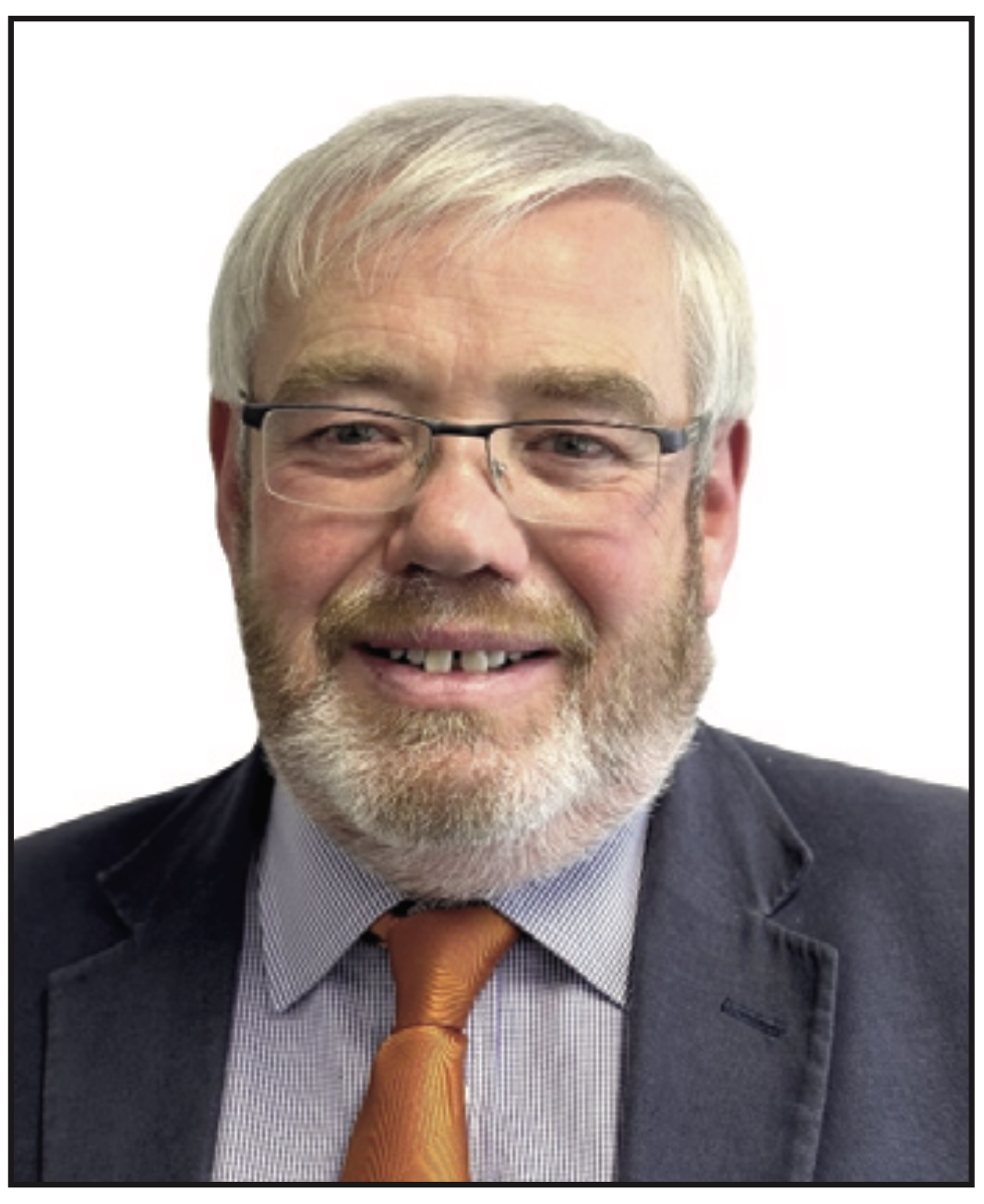
Nigel Robb
Editor of the SAAD Digest
References
- The Times. Children start school ‘trying to swipe and tap books like phones’. 2026. Online information available at https://www.thetimes.com/article/d8d72fe7-d4a0-49cc-8703-ffc4e6fe4a5c?shareToken=6fbbca49eea6fe1380ffefd37e2f75d0 (Accessed January 2026)
- Robb N D. Sedation at the end of the first quarter of the second millennium. What does the future hold? SAAD Dig 2025; 41: 96. DOI: 10.63507/SJVV4849
- Department of Health. Clinical standards for dental anxiety management. 2023, updated 2024. Online information available at https://www.england.nhs.uk/long-read/clinical-guide-for-dental-anxiety-management/ (Accessed January 2026)
- Robb N D. Digest evolves, but the problems of access to dental care worsen. Almost a quarter of the way through the 21st century, what progress since SAAD was founded? SAAD Dig. 2025; 40: 1.
- BBC News. People are being forced to travel miles for a dentist. 2026. Online information available at https://www.bbc.co.uk/news/articles/cj6wdxe7w09o (Accessed January 2026)
- BBC News. NHS dentistry moving in right direction – Streeting. BBC News website 2026. Online information available at https://www.bbc.co.uk/news/articles/cq6vv9jde9vo (Accessed 26th January 2026)