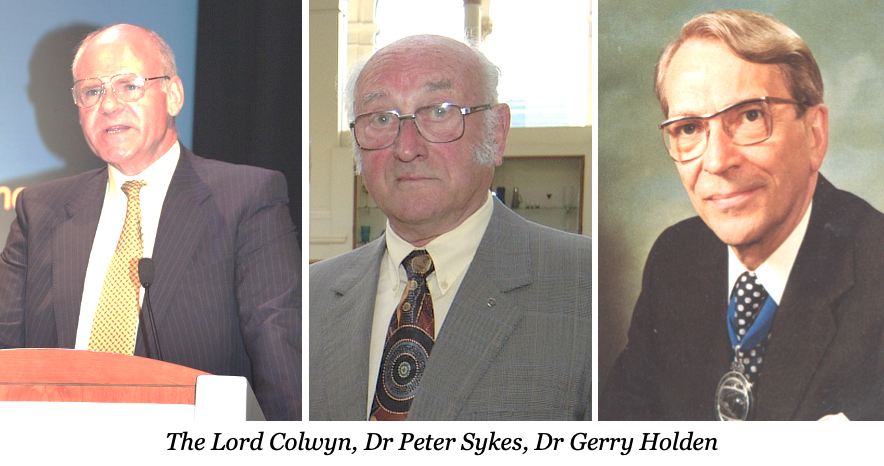
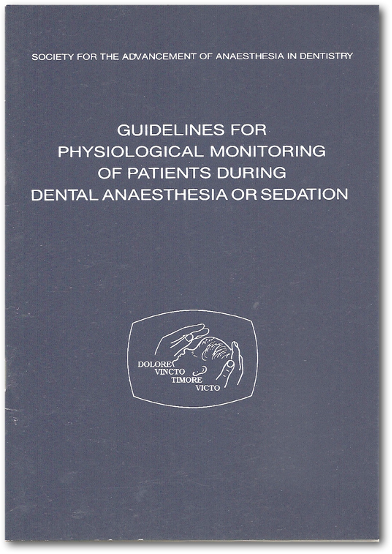
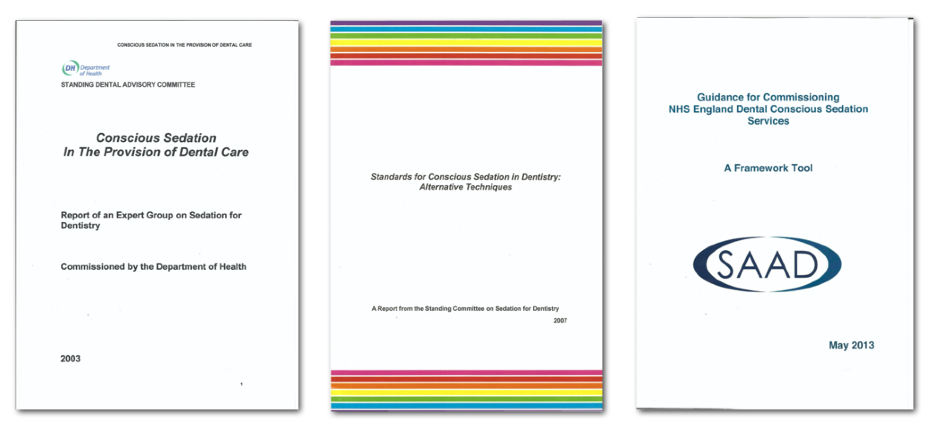
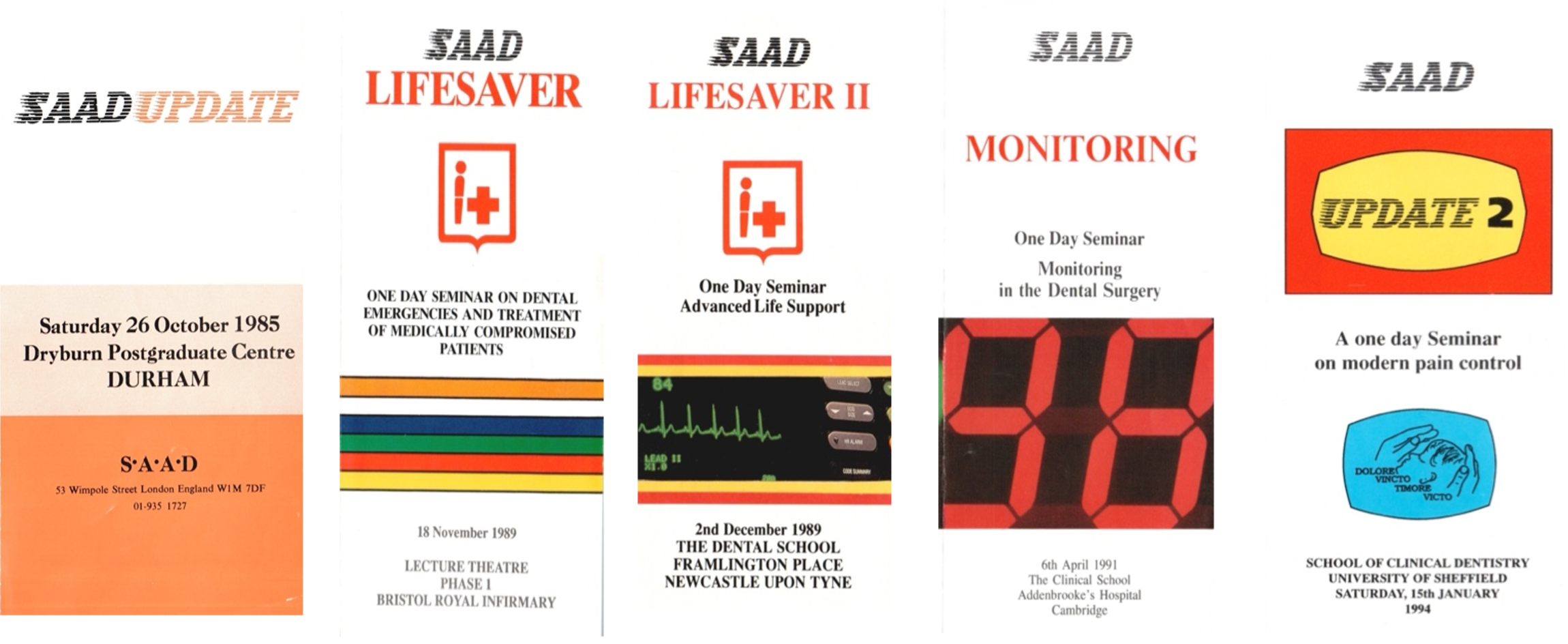
SAAD produced its first guidance document, Guidelines for Physiological Monitoring of Patients during Dental Anaesthesia or Sedation, in 1986. This was authored jointly by dentists and anaesthetists, combining both academic opinion and the opinion of experienced clinicians in primary and secondary care. From the 2000s, the governance that SAAD developed in combination with The Royal College of Surgeons of England and The Royal College of Anaesthetists led to the further formalisation of standards and ever-closer relations between doctors and dentists. By this point, expected standards of practice concerning staff training, techniques, the management of complications and emergencies, and the overall patient environment were clearly laid down, with SAAD members leading the process of change. Governance subsequently developed in parallel with the various medical specialties until 2013, when the Academy of Medical Royal Colleges Standards and Guidance document set down minimum standards for all medical and dental specialties. As Christopher Holden and Ian Brett emphasised in their paper on the Society’s history delivered to the 60th Anniversary Symposium, “SAAD has now provided representation or individuals with expertise on every major guidance document in the training and provision of dental pain and anxiety control in the last generation.” SAAD currently has representation on IACSD (Intercollegiate Advisory Committee for Sedation in Dentistry), SDCEP (Scottish Dental Clinical Effectiveness Programme), AoMRC (Academy of Medical Royal Colleges), IEGTSSD (Independent Expert Group on Training Standards for Sedation in Dentistry), DSTG (Dental Sedation Teachers’ Group) and IFDAS (International Federation of Dental Anaesthesiology Societies). Given the overlapping membership of these bodies, “cross-representation” tends to be a naturally occurring process; nevertheless, between 1990 and 2017 SAAD had direct or indirect input into 20 documents, sometimes as an invited member of the group tasked with producing the document, and sometimes via less formal connections. Since its inception SAAD had been heavily involved in deliberations about the regulation of the dental profession in general anaesthesia, conscious sedation, and resuscitation. In 1971 the government proposed a ban on the operator anaesthetist in dentistry. The effect of this would have been to have abolished provision of the intermittent methohexitone technique on which SAAD's teaching was based at the time. Although not promoted by SAAD the operator anaesthetist was a necessity of the time due to the general lack of services of a separate anaesthetist in general dental practice. Patients faced being denied a safe and effective pain and anxiety control technique based on prejudiced opinion in the Ministry of Health at the time. Along with the British Dental Association, SAAD took on the government. A booklet entitled "Treachery" was sent to every Member of Parliament detailing both the sacrifice of basic rights of patients and professional freedom of doctors and dentists and the potential loss of invaluable years of progress in pain control. Members of Parliament agreed - SAAD and the BDA won. Regulation of general anaesthesia had always been a big issue within the General Dental Council. Although there was little genuine experience amongst its own members, it was fortuitous that there was almost always a member of SAAD Council on the General Dental Council. This was important as regulation of anaesthesia, conscious sedation and resuscitation were always closely connected and issues on which the General Dental Council made frequent recommendations. Early in SAAD’s history successive Presidents of SAAD including Dr Gerry Holden, Dr Peter Sykes, and Lord Colwyn a Conservative peer, all contributed to maintaining a sensible but safely directed balance of opinion in relation to the regulation of pain and anxiety. Lord Colwyn provided an important link to government during a politically difficult time for anaesthesia and sedation in dentistry. The definition of conscious sedation drafted by Dr Gerry Holden and Professor Paul Bramley of Sheffield University for the Wylie Report in 1978 was subsequently adopted by the General Dental Council and today remains almost unchanged as the accepted definition of conscious sedation by all UK regulatory bodies. The foundations of SAAD's interest in starting to proactively develop clinical guidelines began in 1989 with the publication in early 1990 of "Guidelines for Physiological Monitoring of Patients During General Anaesthesia or Sedation", led by Dr Peter Cole. This document was well ahead of its time. It heralded SAAD’s drive for proper standards in education and service provision that cemented the societies position in the profession as a trusted teaching and standard setter. This document was occasionally to the irritation of the “academic authorities” but clearly supported by the profession at large. In the 1990s a Department of Health sponsored a guidance document on anaesthesia sedation and resuscitation and published "The Poswillo Report". Dr Peter Sykes and Dr David Phillips were influential in stopping the General Dental Council's attempted knee jerk reaction when it considered banning general anaesthesia for dentistry in primary care at a stroke and almost taking conscious sedation with it. From the early 1990s to this day SAAD has been heavily involved in the production of national guidelines, with representation on nearly every major report concerning anaesthesia, sedation, and resuscitation in dentistry. Particularly active in this area was Dr David Craig, consultant and Head of Sedation and Special Care Dentistry at Guy's Hospital and Dr Christopher Holden, a general practitioner from Derbyshire. A plethora of guidance occurred in the 1990's due to a few heavily publicised and largely unnecessary deaths associated with general anaesthesia and sedation for dentistry. SAAD was quick to realise that the profession needed a guidance document detailing expected standards, but the Society also took the view that this needed to be guidance which involved all parties interested in the subject. In 2000 Dr Christopher Holden chaired an Independent Working Party which ultimately produced a report "Standards in Conscious Sedation for Dentistry" the first standards document for conscious sedation in dentistry. This was later taken forward to a further two documents by a joint committee of the Royal College of Surgeons of England and the Royal College of Anaesthetists. From this standards initiative SAAD played a key role in the production of "Conscious Sedation and the Provision of Dental Care" (Department of Health) in 2003 and "Standards in Conscious Sedation in Dentistry: Alternative Techniques in 2007" (Royal College of Surgeons of England / Royal College of Anaesthetists. At the same time Dr David Craig chaired a report for the Department of Health/Faculty of General Dental Practice (Royal College of Surgeons of England) issuing guidelines for the appointment of dentists with special interest in conscious sedation, importantly providing quality control for NHS Primary Care services. Following several deaths in dental practices, the Department of Health charged Professor David Poswillo, a New Zealand maxillo-facial surgeon, with chairing a working party on anaesthesia, sedation, and resuscitation in dentistry. SAAD had considerable influence in this watershed report, the outcome of which was the development of centres for general anaesthesia and £9 million in government grants to facilities for the purchase of new sedation equipment and staff training. As Dr David Craig commented, “The resuscitation section of the report was less well-received but opened up a productive discussion which led eventually to more practical guidance.” SAAD’s Standards in Conscious Sedation for Dentistry was one of the first standards documents in dentistry. Dr Christopher Holden who chaired the working group commented “Conceptually it was derived from the formulaic use by lawyers of steps necessary to be taken and incumbent on an individual in proper behaviour.” The document was surprisingly well-received, and accepted by the profession, regulators, and government. SAAD’s document quickly stimulated the Department of Health to produce its own document, “A Conscious Decision”, which was essentially an extended version of SAAD’s guidance. The DoH’s document discouraged general anaesthesia for dental treatment and limited it to provision in a hospital setting, a ruling that came into force on 31 December 2001. It encouraged high standards of conscious sedation, including the support of dedicated assistants; appropriate undergraduate and postgraduate training; and arrangements for patient assessment, consent, and patient escorts like those for general anaesthesia. It also called for the availability of better audit data on fatal and non-fatal complications of general anaesthesia and conscious sedation during dental treatment. The latter was still not achieved by 2021. SAAD had a number of contributory authors to this document, which was commissioned by the Department of Health. It defined best practice for conscious sedation for the next 12 years - that is, until the publication of the IACSD Standards in 2015 - and focussed on education and training and the expectation of robust inspection systems. As with earlier documents, SAAD succeeded in moderating the demands of those who wished to see the provision of sedation offered by dentists restricted. However, the document failed to address safety issues associated with multi-drug sedation, the use of which appeared to have increased following the banning of general anaesthesia in non-hospital settings two years previously. This document addressed the on-going concerns of both the Chief Medical Officer and Chief Dental Officer about the use of multi-drug sedation techniques, particularly for young children. It also introduced the concept of “Standard” and “Alternative” conscious sedation techniques (later renamed “Basic” and “Advanced” techniques). The intention was that it would supplement the 2003 DoH guidelines but, as Dr Christopher Holden comments, “Much time was spent refereeing the disagreements between dentists and medically-trained doctors about acceptable techniques.” Although “binding” about dental sedationists, some medical practitioners considered themselves exempt from its guidance. New, and in retrospect, unhelpful terminology complicated the final document, which the profession took some time to accept. Characterised by some as disappointingly the least effective document SAAD has been associated with, being largely ignored by political masters, nevertheless elements of SAAD’s recommendations were developed over the next few years, particularly in relation to the concept of tiering basic and advanced sedation services in service provision. {accirdion title="A Basis for Nationally Structured Guidance"} At last pathways for training, converging specialty agreement and a minimum standard was agreed and accepted by the medical professions. Three documents providing overarching guidance from the Academy of Medical Royal Colleges, Standards from the Intercollegiate Advisory Committee for Sedation in Dentistry, and implementation guidance form the Scottish Clinical Effectiveness Programme. SAAD’s input was instrumental into achieving this. This “umbrella” standards and guidance document had an impact on all medical and dental practitioners, laying down the lowest common denominator for standards in all specialities. SAAD’s input largely defined the direction of this document as other specialties converged on its teaching methods and safety controls. Christopher Holden concludes, “For the first time, it seems it was accepted by all specialties that dentistry not only had its house in order but led the provision of conscious sedation for medical interventions.” This document, which was the successor to the 2013 AoMRC document, defined the practice of dental conscious sedation in the UK. The IACSD Standards were written by a committee which included representatives of the Dental Faculties of the Surgical Royal Colleges, The Royal College of Anaesthetists, and the Dental Sedation Teachers’ Group. Three members of SAAD were involved - David Craig, Nigel Robb, and Christopher Holden. It covered, amongst other things, guidance on clinical techniques, training, the sedation environment, and patient information. An updated version of SAAD’s own Safe Sedation Practice Scheme was intentionally published on the same day as the IACSD document, and its extent, aims and rationale outlined in SAAD’s 2015 Spring newsletter: Evaluation by a peer review process or alternatively self-reflection, contributes to patient safety and reduced morbidity. This scheme is a quality assurance programme aiming to promote a consistent approach which can be applied in any environment providing conscious sedation for dentistry in either primary or secondary care. Earlier versions of the scheme centred around a checklist of mandatory or recommended fields. The 2015 version investigates the patient journey in more depth. There is greater emphasis on assessment and patient centric issues whilst core clinical provision is investigated in detail. […] Fundamentally, this is a practical document which is intended to support and encourage sedation practitioners to meet the contemporary national standards. This document was commissioned in response to the concerns of a minority about a “lack of clarity” in certain areas of the IACSD Standards, together with a feeling that the Standards themselves were not “evidence based”. In an overview of the Review, Dr David Craig concluded that: The new SDCEP Guideline is clear and well written but due to its concise style it lacks some of the breadth and depth of the IACSD Standards. It is also heavily dependent on the IACSD report, especially in relation to multi-drug sedation, training, and patient information. The SDCEP group found no new evidence relating to any of the areas about which concern had been expressed in the IACSD Standards. The SDCEP Guideline fails to resolve any of the contentious issues on which IACSD had struggled to reach unanimous agreement, for example pre-sedation starvation. SDCEP’s Guideline is most likely to be of help to practitioners using “Basic” conscious sedation techniques (intravenous, oral, and intranasal midazolam or inhaled nitrous oxide/oxygen) for straightforward patients in a primary care setting. This politically significant document drew together recent AoMRC, IACSD and SDCEP guidelines to offer guidance to NHS England commissioners. It also defined the process for the accreditation of sedation training courses for dental and medical sedationists and DCPs by the Sedation Training Accreditation Committee (STAC). SAAD Training Board members made a significant contribution to this work.
Guidance Regulation Standards and Politics


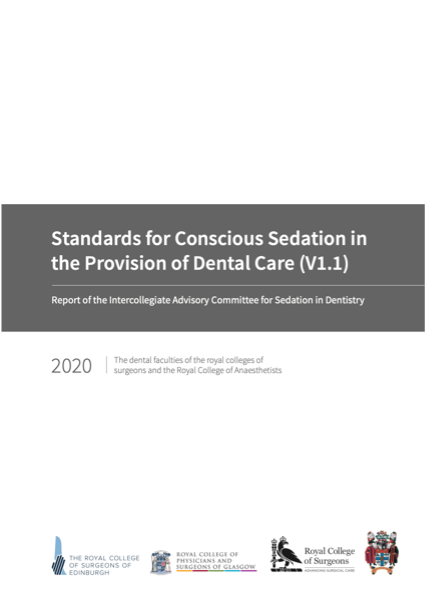
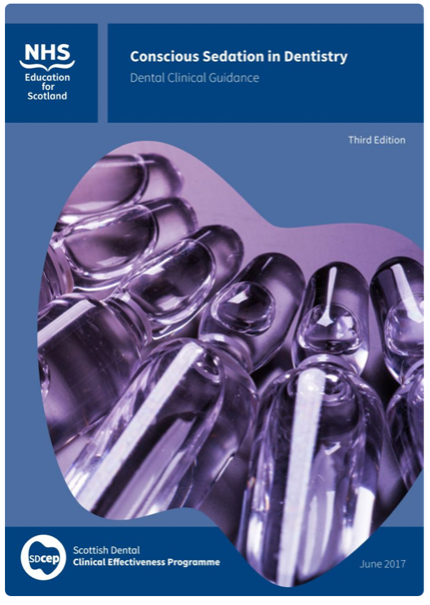
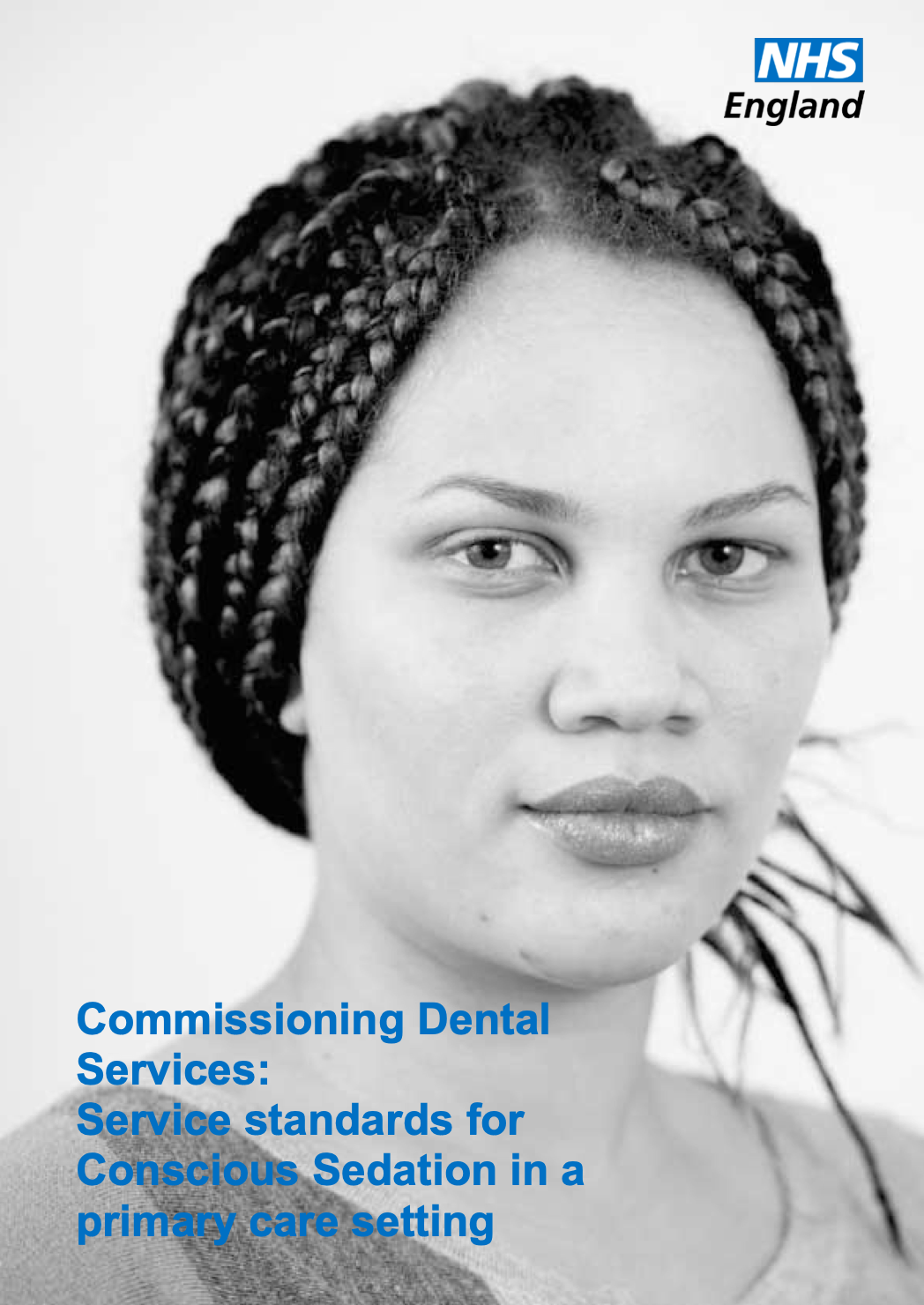
There was a proliferation of guidance until 2021 to meet the challenges of robust patient safety and political need. The prominent documents over the years were:
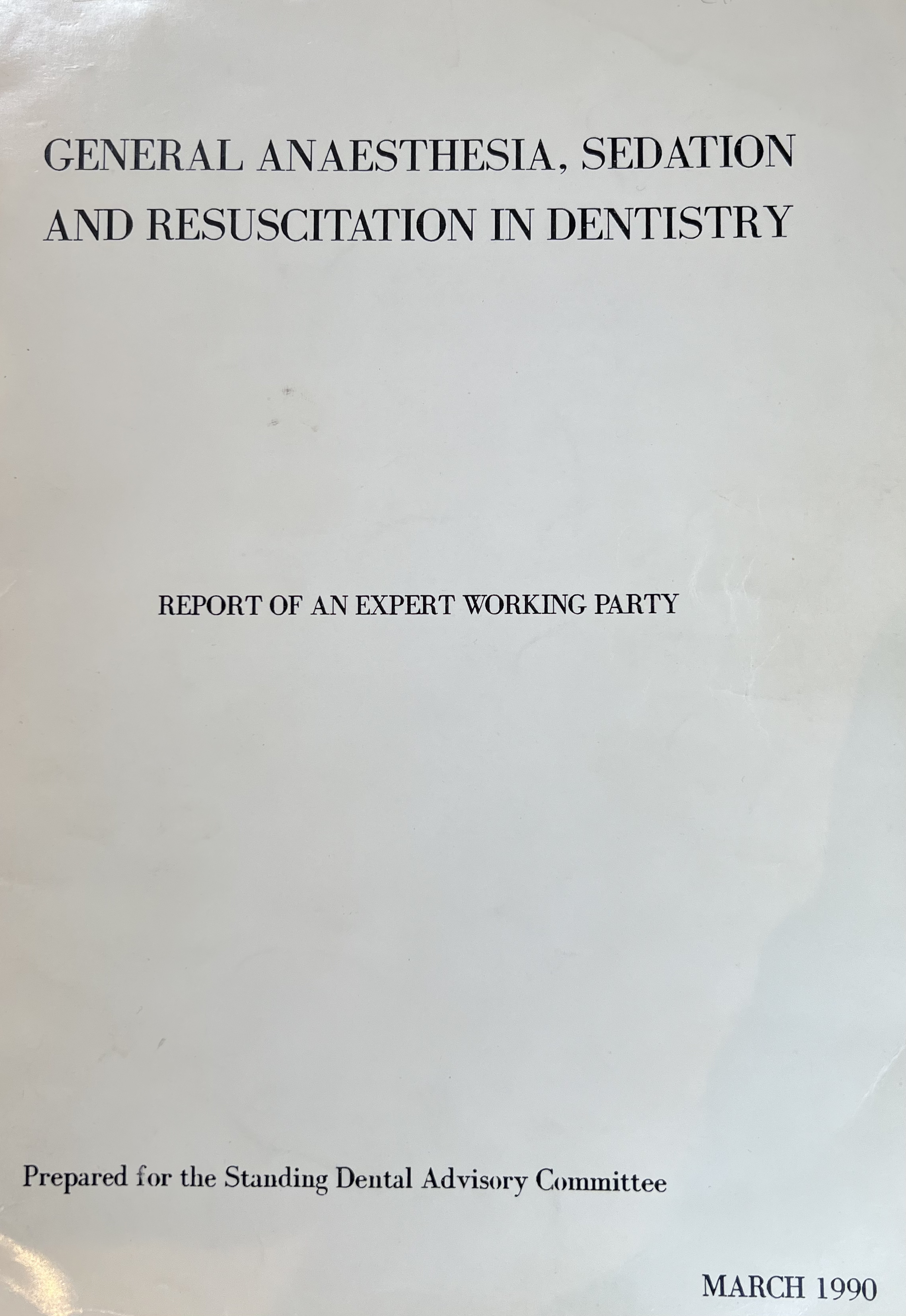
General Anaesthesia, Sedation and Resuscitation in Dentistry ('Poswillo')
1990

Standards in Conscious Sedation for Dentistry (SAAD) A Conscious Decision (DoH)
2000
(DoH), 2002 Conscious Sedation in the Provision of Dental Care
2003
Standards for Conscious Sedation in Dentistry: Alternative Techniques (RCS/RCA)
2007
Framework for Commissioning Sedation Guidance (SAAD)
2013

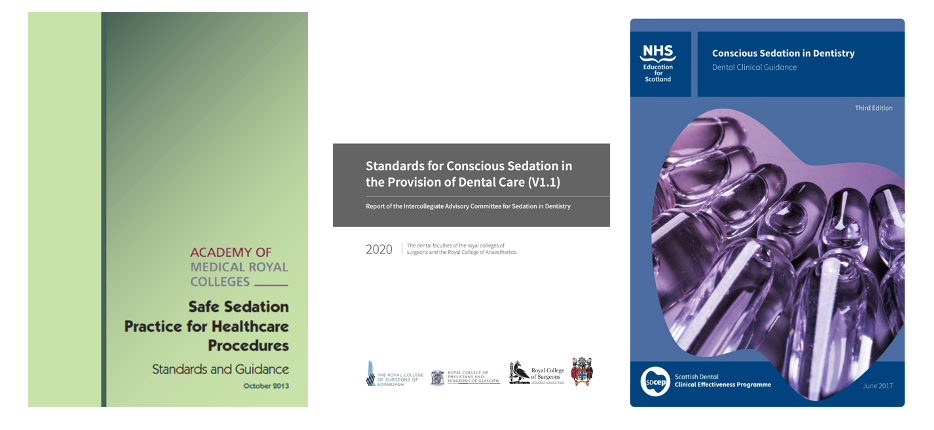
Safe Sedation for Healthcare Procedures (AoMRC)
2013
Conscious Sedation in the Provision of Dental Care (IACSD)
2015, 2020
Conscious Sedation in Dentistry (SDCEP)
2017
Service Standards for Conscious Sedation (NHS England)
2017
Courses
| 2000 - 2022 |
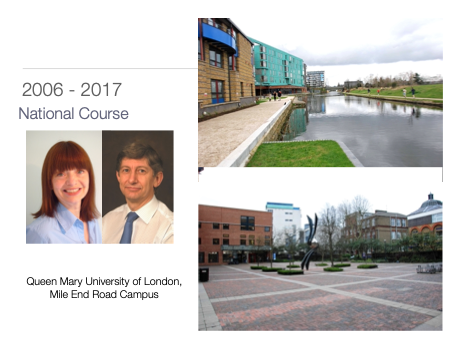
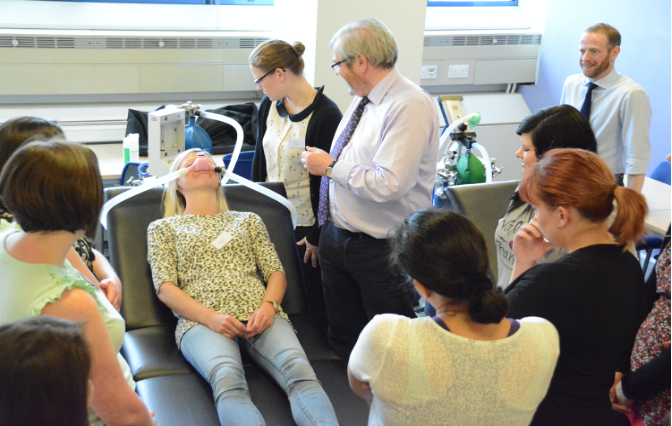
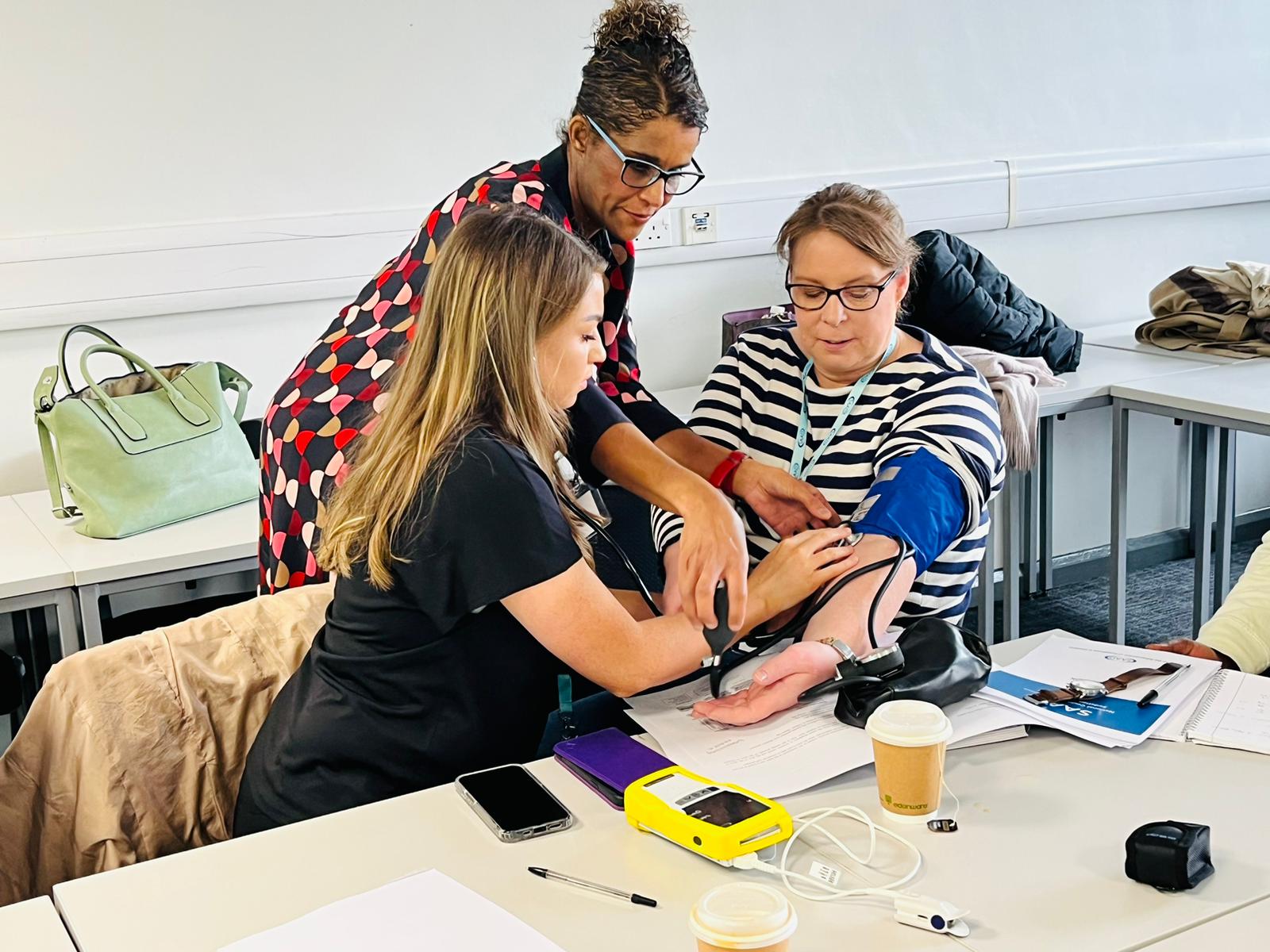
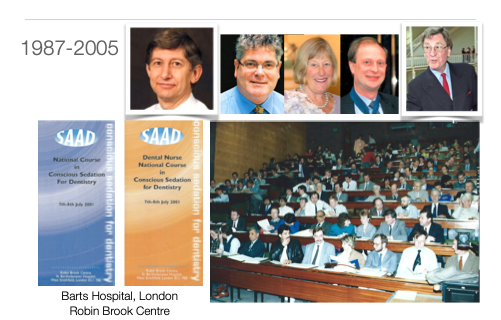
Dental nurse training opportunities were expanded in 1999 with the addition of a second course which helped nurses to prepare for the National Examining Board for Dental Nurses' (NEBDN) Certificate in Dental Sedation Nursing. This came to be known within SAAD as the "Part 2" course. This element was developed at Guy's Hospital by Dr David Craig and Dr Carole Boyle both of whom were examiners for the NEBDN qualification. Moving to Queen Mary, University of London in 2005 the SAAD National Course had a core programme reflecting the close associations SAAD had developed with the Dental Sedation Teachers Group (DSTG), the Association of Dental Anaesthetists (ADA), the Royal College of Surgeons of England, and the Royal College of Anaesthetists.
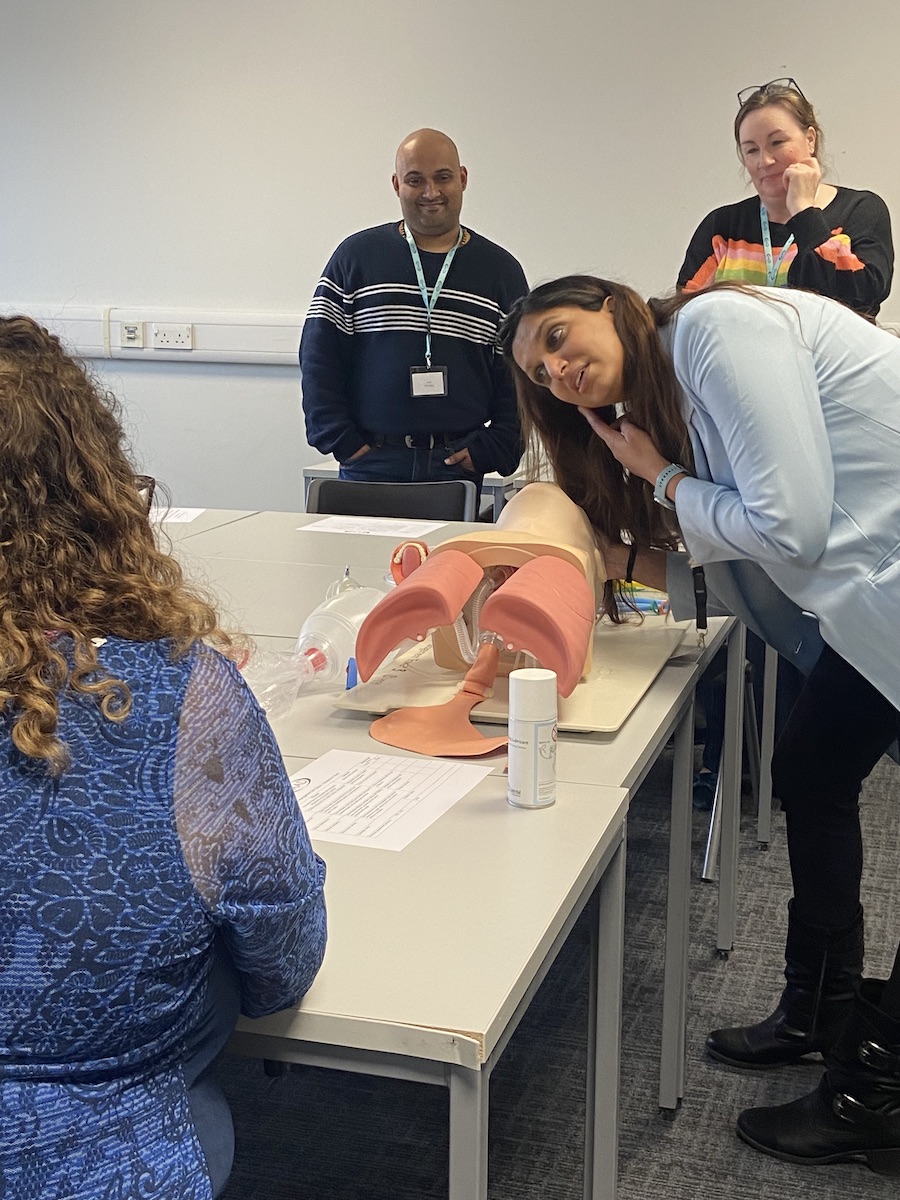
Driven by David Craig SAAD’s longest serving course director the National Courses were simplified logistically whilst still providing the hands-on training for which SAAD was always known. David expanded the faculty to utilise capable professionals from dental nurses and administrators encouraging younger but experienced professionals. With a firm hand on the tiller the courses developed to provide a separate course for dental hygienists and therapists.

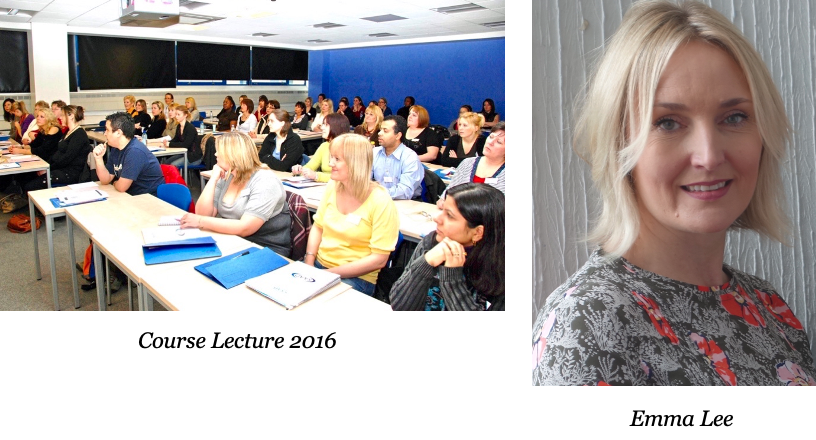
2016 marked the launch of the SAAD Assessed Sedationist, and SAAD Assessed Sedation Nurse, Schemes. These were created in part as a response to the publication of the 2015 IACSD Standards for Conscious Sedation in the Provision of Dental Care, and with the aim of providing the required hands-on clinical experience. Both schemes, along with the SAAD Inhalation Sedation Course for Dental Hygienists and Therapists, are IACSD-accredited and meet the requirements for independent practice in dental sedation. Administered by Emma Lee, SAAD committed to training pathways as well as initial training.

The high-quality didactic teaching, experienced course tutors and relevant hands-on stations which have always been the unique selling points of SAAD courses remain an integral part of the new schemes, but this is combined with a robust and effective clinical supervision element, which delegates can undertake with a clinical supervisor of their choosing, even in their own practice or setting.
This combination of excellent theoretical training and a well-designed clinical experience module, including workplace-based assessments, reflection and a practice evaluation really sets the SAAD schemes apart from the competition in giving the new sedationist or sedation nurse the best possible start on their journey in dental sedation.

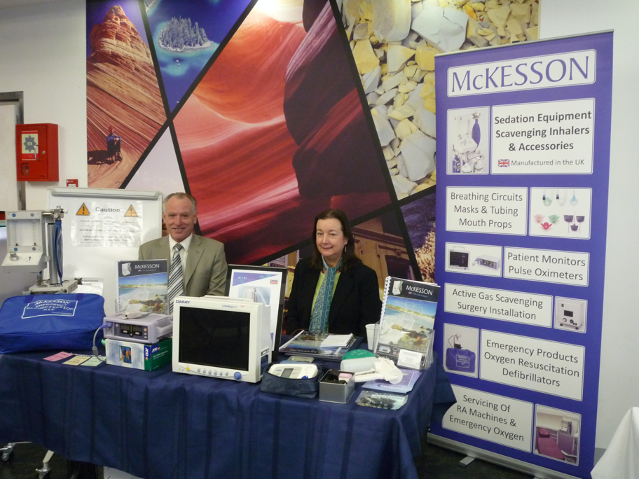
From the mid 1970’s Cestradent McKesson, an anaesthetic supplies company run by the Swann and Martinez families supported SAAD’s activities with dental trade support. Unassuming and unfailingly polite to SAAD this company helped with inhalation sedation machine provision and servicing. They willingly provided monitoring equipment and sedation sundries to SAAD’s needs as well as medical gases for many years.

Conferences and Symposia

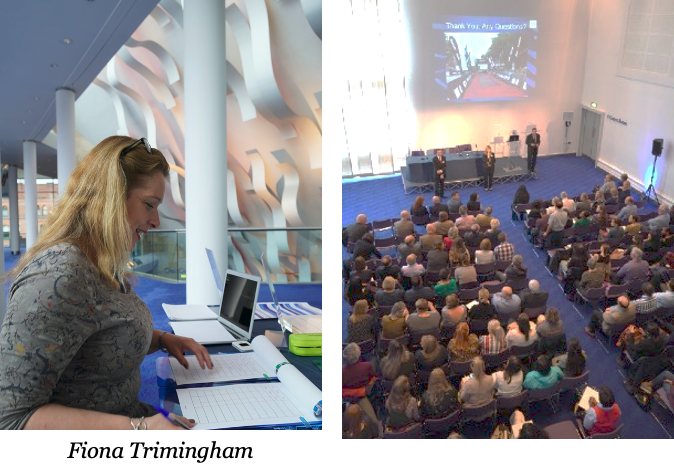
SAAD Conferences have been held annually since 1993, coordinated and administered by SAAD’s executive secretary Fiona Trimingham. From the start, these have been valuable forums for discussion among colleagues and an opportunity for the formation and maintenance of contacts. Early venues varied – several conferences were held at the Royal Society of Medicine, but other locations included the King’s Fund, Cavendish Square (2001), The Eastman Dental Hospital (2002), and the General Dental Council (2003). From 2004, however, conferences have taken place at the Royal Society of Medicine - something of a homecoming for SAAD since the RSM was, after all, the location of many early SAAD meetings.
Topics for the symposia expanded to include a wider audience. For example SAAD’s 40th Anniversary Conference took place on 11th October 1997 at the Royal College of Medicine, with topics addressed including ‘IV Sedation – is midazolam obsolete?’, ‘Sedation and the GDC’, ‘Training auxiliary staff’, and ‘Sedation teaching for dentists by dentists.” In subsequent years, the themes of conferences ranged widely in subsequent years. The coming new millennium was the focus in 1999, with presentations on subjects including ‘The Inhalational Approach - A Sound Technique’ (Dr Isabelle Holroyd), ‘Intravenous Sedation – The Way Forward’ (Dr Nigel Robb) and a case report on hypnosis in general anaesthesia and sedation delivered by Dr Hugh Lyons. The guest speaker, Professor James Roelofse (South Africa) addressed paediatric outpatient anaesthesia/sedation. This expansion of patient care themes continued. The theme of the 2000 Conference was ‘The Anxious Child’ with speakers including Professor Leo Strunin (‘Can GA Ever Be Justified?’), Dr Catherine Potter (‘Does Hypnosis Have a Place?’), and Dr Tom Thayer (‘Is Acupuncture Realistic?’), while the 2002 Conference was given over to exploring the interface between sedation and anaesthesia.
| Royal Society of Medicine & Annual Meetings |
The RSM has been a meeting place for SAAD throughout its history.
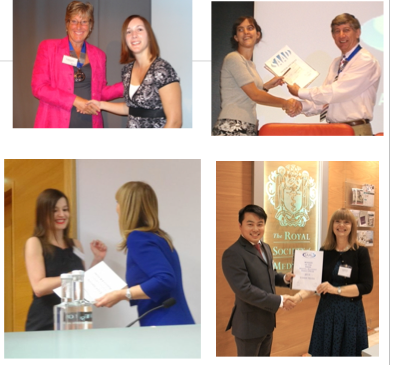
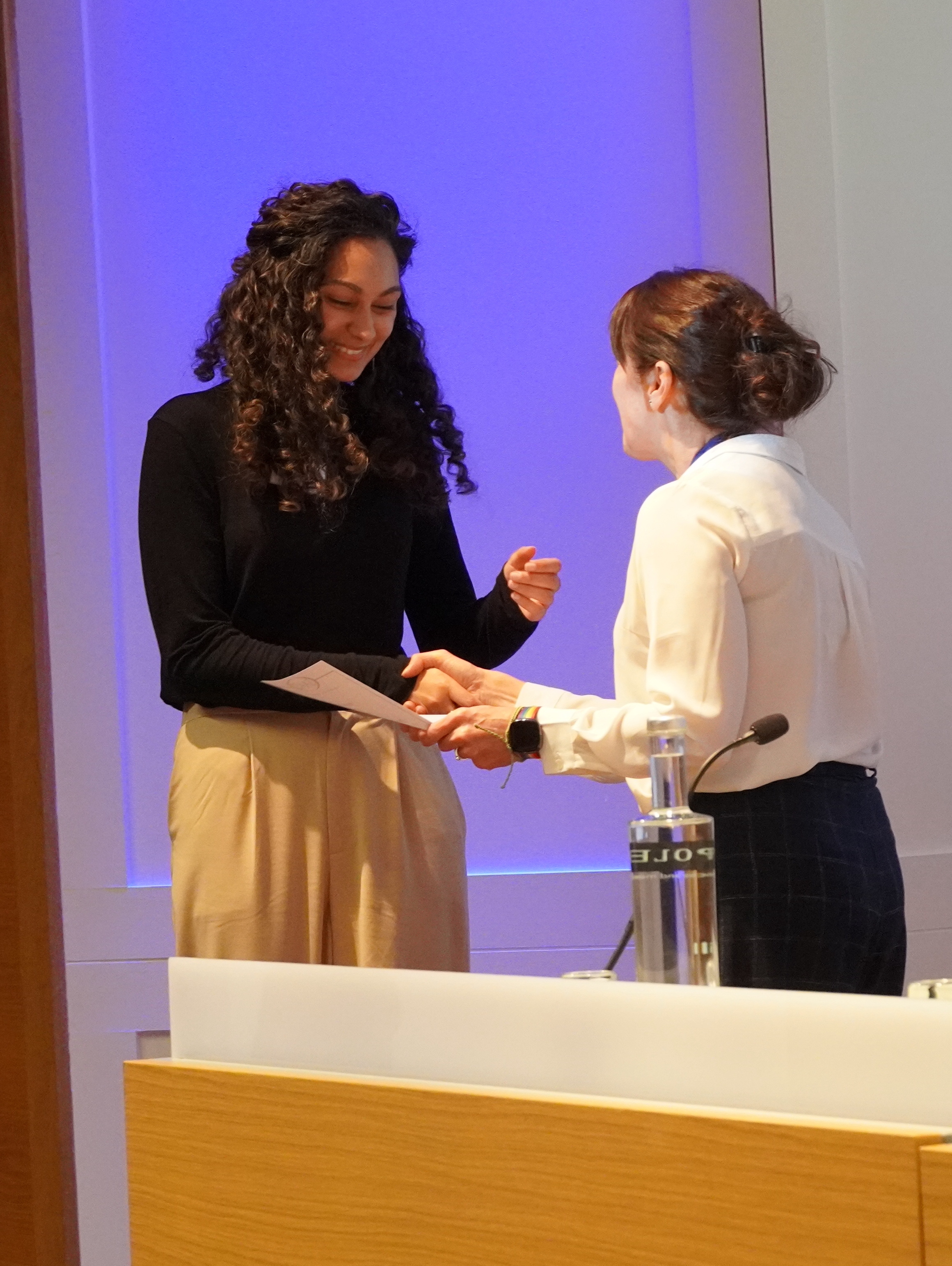
Annual scientific meetings continued to compliment the national courses and invariably these were held at The Royal society of Medicine London. These reflected the origins of SAAD and continued to be supported by a full audience. SAAD encouraged teamwork and dental students and dental nurses were welcomed to meetings. This was supported by SAAD offering a monetary prize for essays from both dental nurses and dental students on an annual basis. The DJ memorial essay prize which is open to all medically or dentally qualified graduates continued to be offered every year with a prize of £500. This custom continues to date.

Since D-J’s death, SAAD has offered the Drummond-Jackson Essay Prize for essays on subjects relating to dental anaesthesia or sedation. Since its inception, the aim of this award has been to “attract entries of the highest possible quality in fitting memory of a man whose own standards had been so high”. The Prize, currently worth £500, is open to graduates and undergraduates of both medicine and dentistry anywhere in the world; separate prizes are also currently awarded to dental students (the Dental Student Essay Prize) and dental nurses (the DCP Essay Prize), each with a monetary value of £300 and the prestige of possible publication in the SAAD Digest
Trade stands made their first appearance at the 2004 SAAD Conference, although with an emphasis on allowing a small number of manufacturers to showcase new equipment and to contact existing and prospective customers, rather than on anything resembling a ‘hard sell’.
A key aim of SAAD Conferences has always been to facilitate the sharing of knowledge and expertise among colleagues, and the 2005 SAAD Conference, which took the theme of ‘Sedation – A European Perspective’, was particularly significant in this respect. Speakers came from France, Germany, Italy, the Netherlands, Portugal, and Israel, and all were asked to answer in advance a series of key questions about sedation provision, teaching, and regulation in their home country. The results offered a fascinating snapshot of approaches to conscious sedation across Europe, leading SAAD’s Secretary Derek Debuse to conclude that ‘at the end of the conference it was evident that UK dental sedation is in very good shape indeed.’
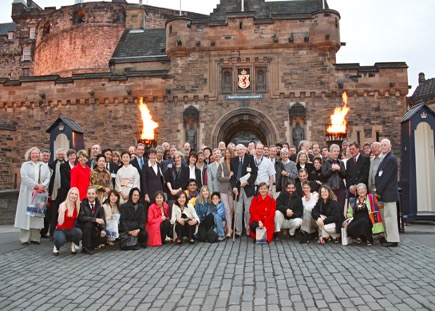
The 2006 SAAD Conference was dedicated to ‘Pain and Anxiety Control in Medicine and Dentistry’. Professor Peter Milgrom, the SAAD Visiting Professor in Pain and Anxiety Control for Dentistry at King’s College London Dental Institute, delivered two lectures during the day, one describing trends in current anaesthesia practice in the US, and the other addressing new sedation techniques.

In 2007, the focus was ‘Sedation in Primary Care’; however, the day began with the observation of a minute’s silence to mark the death, earlier in the year, of former President Peter Sykes. Speakers subsequently included Sharon Drake, who addressed the relatively new field of ‘Dentists with Special Interests’, and Pepe Shirlaw. A member of the allergy testing department at Guy’s Hospital, she informed delegates that rates of latex and amalgam allergies were declining, and that much of her work now focused on the testing of local anaesthetics.
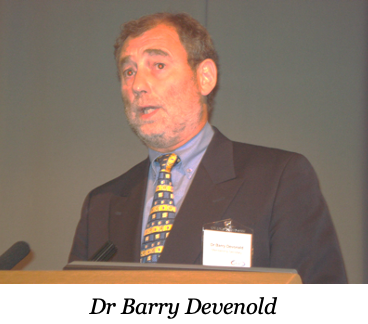
In 2008, Barry Devonald was succeeded in his role as Conference Organiser by SAAD’s Executive Secretary Fiona Trimingham, who had previously provided support and backup.

Conferences themselves became known as ‘symposia’ from 2013 to reflect their focus more accurately on the dissemination and sharing of knowledge and information.
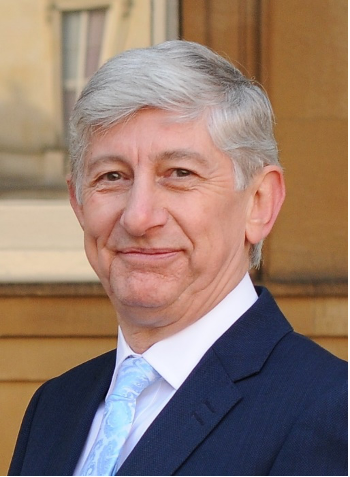
Themes were widely ranged from ‘Fundamentals of Safety Culture in Sedation Practice’ (2008) and ‘Practical Sedation: Trances, Needles and Consent’ (2009), to ‘Drugs: The Good, the Bad and the Ugly’ (2014). Among the many notable speakers during these years were Gerry Tyrer, who in 2008 gave delegates an insight into the work of a tented dental unit in Camp Bastion, Afghanistan; Mike Gow, President of the British Society of Medical and Dental Hypnosis, who addressed the symposium in 2009; and Professor Enrico Facco of the University of Padua, Italy, who in 2014 highlighted the benefits of using hypnosis in the treatment of phobic patients.
The 2017 SAAD Symposium was held on Saturday 23rd September and served, naturally, as a focus for the Society’s Diamond Jubilee celebrations. Entitled ‘A Strong Foundation for a Bright Future’, it opened in memorable style with the entrance of SAAD President Francis Collier preceded by Pipe Major ‘Dixie’ Ingram of the First and Second Scots Guards. A total of 193 delegates were present to hear papers on subjects that included the use of virtual reality and neurolinguistic programming in the treatment of nervous patients and those with dental phobia. Ian Brett and Christopher Holden also jointly recapped SAAD’s 60-year history. It was an occasion for looking back but also to the future, a glimpse of which came at the end of the day with Michael Allen’s reflections on the development of conscious sedation:
“Technological advances may improve patient monitoring, and the possibility of intra-oral scanning and 3D printing may also provide useful gains.
Nanotechnology is in development and may revolutionise targeted drug delivery via nanobots. These can be applied topically, inhaled or delivered intravenously. A patient could be sedated by nanobots guided by central nervous system analysis to relieve anxiety. Dentifrobots could be applied to tooth surfaces to place resin, treat sensitivity, or remove caries.
We were all then reminded that humans are inherently social animals, and we are not quite ready for the robotic dental revolution, but we have come a long [way] since 1957!"
2018 included “Sedating the Diabetic Patient” by Dr Lucy Wray, “Conscious Sedation and Implant Dentistry” by Dr Vikram Kavi and “Dental Sedation in the RAF” presented by Marguerite Reith
| The British Association Conferences |
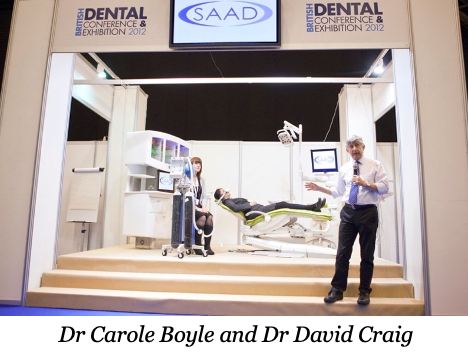
SAAD contributed to British Dental Association conferences over many years. Initially it was in the form of keynote speakers such as Dr David Philips and Dr Christopher Holden in the 1990’s. From 2000-2004 SAAD had a notable presence at the British Dental Association Conference offering members and delegates the opportunity to refresh their knowledge of resuscitation techniques. These ‘Safe and Sound’ courses, which were established by SAAD members Douglas Pike and Barry Devonald at the invitation of the BDA, were run in conjunction with local ambulance trust resuscitation officers. A dental surgery was created on site (with help from Adec Dental) allowing for the accurate simulation of equipment and conditions, and over 100 delegates would regularly be trained and certified at each conference. As Barry Devonald recalls, ‘[We [once] had a general medical practitioner pitch up on the day after his dentist wife had been ‘certified’ with three of his medical colleagues for training!’

Safe Sedation Practice Scheme - SSPS
Predicated on the contemporary standards of the time the SAAD evaluation scheme evolved int the Safe Sedation Practice Scheme. As national guidance changed so did the evaluation process. The concept remained throughout. SAAD defined the principles for the evaluation of safe sedation practice at a national level insisting that a fundamental standard for evaluation and should not be amended for local use. The evaluation must be undertaken by a professional who meets the person specification as defined in this document.
By combining national guidance documents practitioners are required to take appropriate steps to provide a minimum standard for safe and effective patient care whatever the clinical setting.
Based on consensus the SSPS still represents a fair and transparent evaluation of a facility providing conscious sedation. The same standard is applied to any setting whether hospital, community provision or general dental practice. The emphasis is peer review enabling the applicant to reach the required standard culminating in assessment of four live patient cases throughout the patient journey.
From 2011 the scheme expanded rapidly. By 2021 SAAD president Sadie Hughes, recognising the practical safety benefits of the SSPS and its importance to the future of SAAD as a membership service decided to formalise the ad hoc working group. Dr Christopher Holden led the group constantly morphing scheme adapting to a changing training pathway and a changing regulatory environment.
Often referred to as “The SAAD Evaluation Scheme” the protocol included a “steps to take” checklist reflecting a practical approach to meeting contemporary guidance. This was plagiarised and adapted by several organisations such as various NHS trusts and the Care Quality Commission. Whilst imitation is the sincerest form of flattery dilution of this robust guidance from SAAD resulted in a number of medicolegal cases that were extended unnecessarily by the confusion caused by third party adaptations. Christopher Holden commented, “SSPS is a powerful tool for robust patient safety. It is a valuable and practical service for our members and commissioners of dental sedation services.”

Organisation and Administration

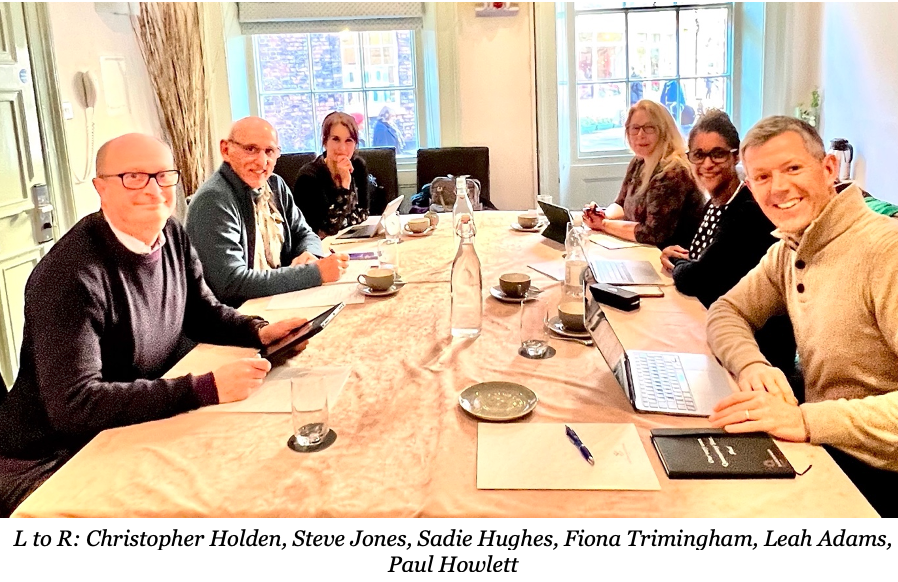
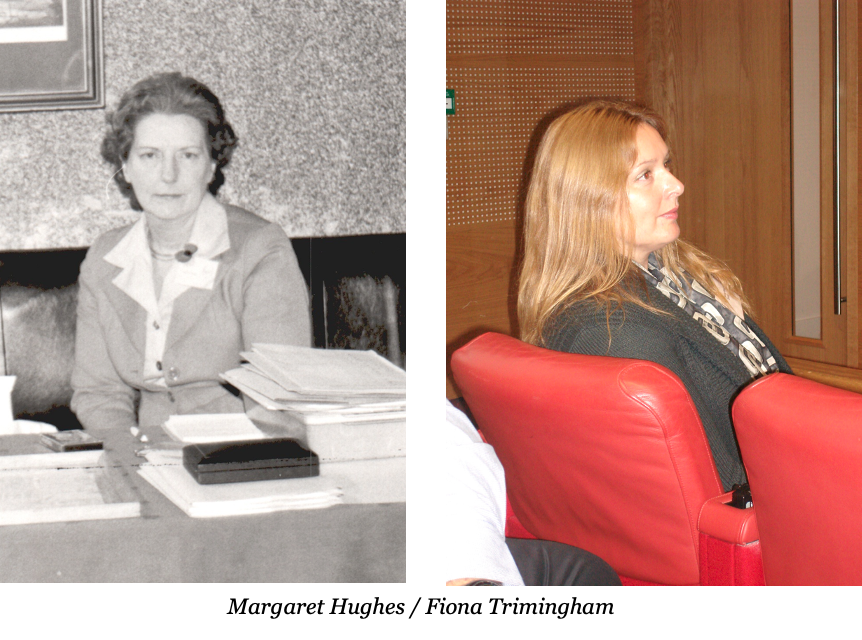
There have been many contributors to SAAD since 1957. Most are not mentioned here, not out of lack of respect or effort to record properly but all historical accounts carry some slant. Much of this history is gleaned from archived documents verbal accounts and the memories of current members and personal recollection. There have been many contributing council members, trustees, administrators, and helpers as well as long suffering partners and spouses. SAAD has occasionally been blessed with "lynch pins" who quietly but attention to detail cemented together the varied interests and needs of SAAD Council and SAAD Board. Two such people are SAAD's Secretary for many years, Margaret Hughes and in today's guise, the society's Executive Secretary Fiona Trimingham. Without all these individuals the society would not be the success it is today.
SAAD’s membership peaked in 2004/2005, at 4225 members. Membership currently stands at around 1,500 with members both in Europe (Ireland, France, Germany, Spain, Portugal, Italy, Poland) and beyond (Singapore, Indonesia, Japan, UAE, Hong Kong, NZ, Australia, Canada, USA). In addition, women now comprise just over 50% of the Board of Trustees. While there is always work to do to ensure that SAAD remains a dynamic, energetic, representative, and relevant body, its past and present should be a source of pride.
| 1957 - 1960 | Allan Thompson |
| 1960 - 1963 | Maurice Hudson |
| 1963 – 1966 | Eric Wookey |
| 1966 – 1969 | Henry Mandiwall |
| 1969 – 1972 | Donald Blatchley |
| 1975 | Stanley Drummond – Jackson |
| 1975 – 1978 | Gerald Holden |
| 1978 – 1980 | Gerald Holden |
| 1980 - 1983 | Thomas Boulton |
| 1983 – 1985 | Peter Sykes |
| 1985 – 1988 | Peter Cole |
| 1988 – 1991 | Peter Hunter |
| 1991 – 1994 | Peter Sykes |
| 1994 - 1997 | The Lord Colwyn |
| 1997 – 2000 | David Philips |
| 2000 – 2003 | Christopher Holden |
| 2003 – 2006 | David Craig |
| 2006 – 2009 | Diana Terry |
| 2009 – 2012 | Nigel Robb |
| 2012 - 2015 | Carole Boyle |
| 2015 – 2018 | Francis Collier |
| 2018 – 2021 | Steven Jones |
| 2021 – 2024 | Sadie Hughes |
| 2024 | Yi Loo |
SAAD has grown and developed consistently. A body of reach and influence, both in the UK and internationally, SAAD continues to pursue its original educational mission as well as seeking to positively influence the development of standards and guidelines. The training courses, SAAD Digest, the newsletter and the SAAD website are all cornerstones of the modern Society, and initiatives such as the Safe Sedation Practice Scheme and RA Machine Loan Scheme are indicative of its forward-looking ethos. Dr Francis Collier president in 2017 commented on SAAD’s 60th Anniversary; “The Society is grateful to those who originally had the foresight and energy to form such an organisation, and to all those who have continued to sustain its activities throughout the successive years since 1957.”
SAAD president in 2023 Dr Sadie Hughes says:
“Whilst working at Guy’s Hospital in the early 2000’s, I was approached to do some teaching as part of the SAAD faculty. It was an interesting experience as I meet a lot of experienced and well-respected sedation practitioners. Two individuals, Carole Boyle and Avril MacPherson, stood out not just because of their dental sedation and teaching abilities, but because they were female. As with many areas of medicine, the upper tiers of SAAD were dominated by men. Joining the SAAD board of Trustees in 2012, I found myself in a similar position being one of only two female trustees. At this time Nigel Robb was the president, who would be replaced by the then president elect, Carole Boyle. One of Carole’s aims was to address the gender balance of the board to reflect the shift in the dental workforce and place more women in decision making positions. The board, in 2023, totals 9 women and 6 men.”
Disruption between 2020 and 2022 did not dampen SAAD’s teaching. Course director Dr Carole Boyle adapted SAAD’s teaching to include webinars during the lockdown phase of COVID19. The National Course was adapted to include elements of remote didactic learning together with a foreshortened in person course with limited numbers to maintain social distancing. This was so successful that when full faculty taught in person courses resumed in 2021 the “COVID format” was retained for the summer of 2022.
SAAD continues to be faithful to its motto “Abolish Pain to Conquer Fear”. A forward-looking Board and faculty work hard to keep the society at the leading edge of conscious sedation teaching for dentistry. SAAD has always attracted strong characters, clinicians with vision, exemplary communicators, efficient administrators and those willing to put the society before the individual. The plural church of dedicated teachers from both academia and general dental practice cooperates with medical colleagues to provide members with simply the best training the UK can provide.
![]() |
![]() |
![]() |
![]() |
![]() |
![]() |

This summary history is a collation of archive material together with the memories of those who have contributed to the success of the society. To that end it can’t be full and complete. Contributors consistently note a difference of recollection previously recorded in the book “History of SAAD”. Where that occurs the editor has recorded the recollection of those present at the time. There are many who may not have been mentioned and some whose contribution may not be adequately recorded. To those people the society is just as grateful as to those mentioned here.
Entries are not referenced as original supportive documentation is scarce, but the above history is correct from material available and the memories of members of the society and those who are not members but contributed to this discipline in furthering care of the anxious and frightened patient.
Christopher Holden - SAAD Council / SAAD Board Member 1984 onwards
September 2023
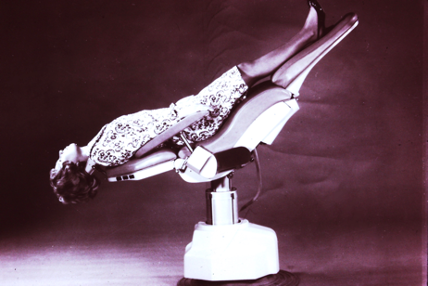
Jorgensen Loma Linda Technique
The first two decades - Update and Jumbo
Guidance Regulation Standards and Politics
General Anaesthesia, Sedation and Resuscitation in Dentistry ('Poswillo')
Standards in Conscious Sedation for Dentistry (SAAD) A Conscious Decision
(DoH), 2002 Conscious Sedation in the Provision of Dental Care
Standards for Conscious Sedation in Dentistry: Alternative Techniques (RCS/RCA)
Framework for Commissioning Sedation Guidance (SAAD)
A Basis for Nationally Structured Guidance
Safe Sedation for Healthcare Procedures (AoMRC)
Conscious Sedation in the Provision of Dental Care (IACSD)
Conscious Sedation in Dentistry (SDCEP)
Service Standards for Conscious Sedation (NHS England)
2000 - 2022
--
--
Royal Society of Medicine & Annual Meetings
The British Dental Association Meetings
SAAD Safe Sedation Practice Scheme SSPS
--
--
----
--
Organisation and Administration