

Please click on the tables and figures to enlarge
‘Clearing the air’: a quality improvement project introducing a digital leaflet to enhance parental understanding of inhalation sedation
O Bawa*1
L McKay2
H Adam3
1Dental Core Trainee, Wirral Specialised Community Dental Service. VCH, Mill Lane, Wallasey, CH44 5UF.
2Specialist in Special Care Dentistry, Wirral Specialised Community Dental Service. VCH, Mill Lane, Wallasey, CH44 5UF.
3Specialist in Special Care Dentistry, Wirral Specialised Community Dental Service. VCH, Mill Lane, Wallasey, CH44 5UF.
*Correspondence to: Olivia Bawa
Email: olivia.bawa@nhs.net
Abstract
Background
An audit of failed inhalation sedation (IHS) leading to general anaesthesia (GA) in Wirral Community Health and Care NHS Foundation Trust (WCHC) Community Dental Service (CDS) revealed that 10.9% of paediatric GA patients had prior unsuccessful IHS, increasing dental anxiety and environmental pollution from unnecessary NO. Inadequate case selection, influenced by parental misconceptions, may contribute to failed IHS.
Aim
To improve parents’ understanding of IHS, helping them make informed choices and reducing unsuccessful IHS.
Methods
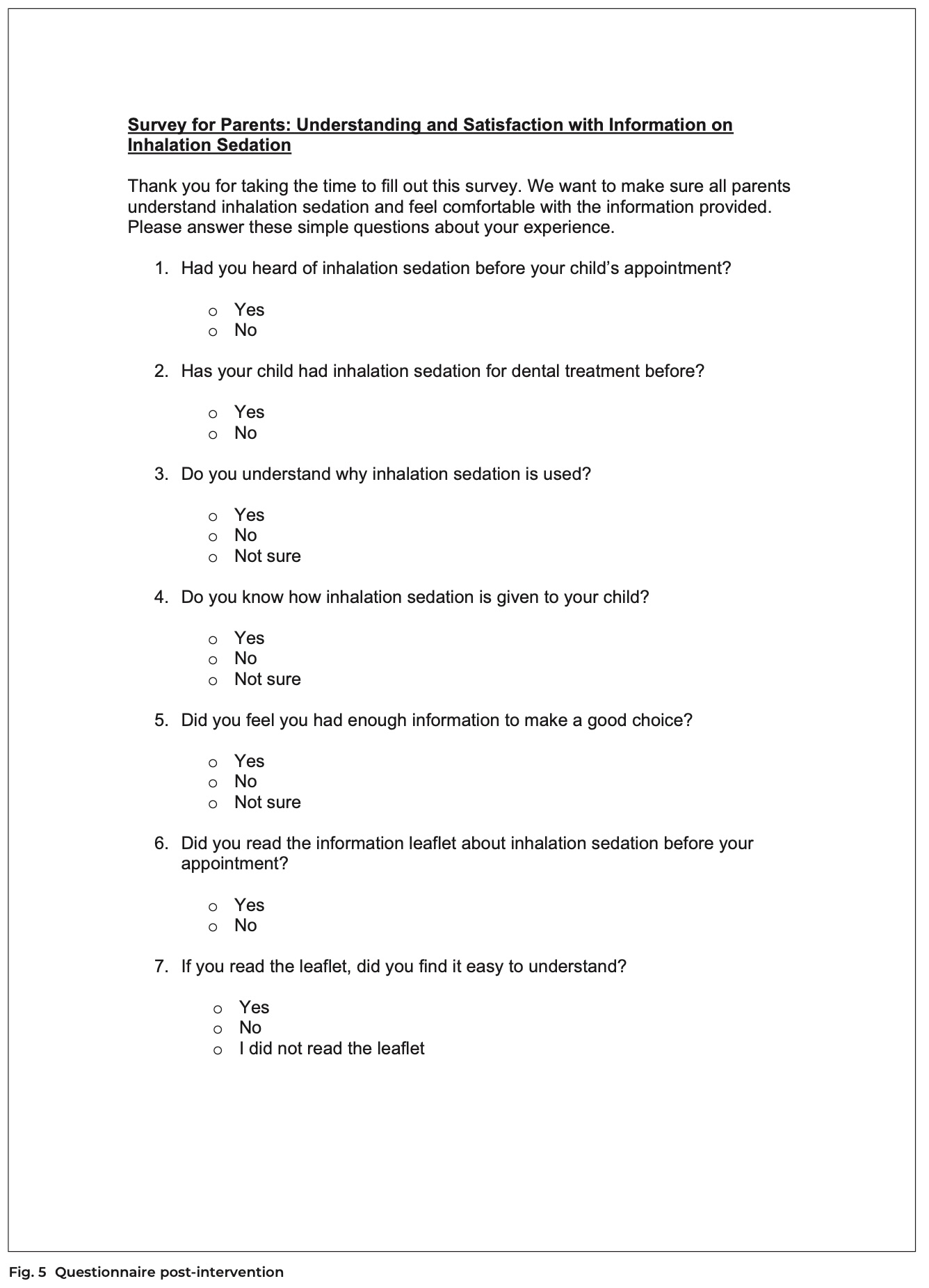
The intervention involved distributing a digital leaflet on IHS, including indications, benefits, risks, and alternatives. The leaflets were emailed to parents of children referred to CDS for IHS by their General Dental Practitioner (GDP). Qualitative data gathered using pre- and post-intervention questionnaires measured parents’ perceived understanding.
Results
Before the intervention, 37% of parents felt an information leaflet would be beneficial, and 42% were uncertain. After the intervention, 88% of parents felt they received enough information via the leaflet. 25% were unaware of IHS despite having been referred for sedation.
Conclusion
Providing accessible information to parents can improve perceived understanding and support collaborative treatment planning, addressing a common cause of IHS failure. The project aims to contribute to the NHS goals of reducing the environmental impact of nitrous oxide; this impact could be measured in a re-audit of the failed inhalation sedation rate.
Key learning points
- Quality improvement projects can produce small, measurable changes and contribute to broader goals within a CDS
- Technologies such as catalytic cracking are ideal; however, due to financial restraints, we can focus on reducing unnecessary nitrous oxide pollution by selecting appropriate cases for IHS
- Sustainable healthcare is everyone’s responsibility, and by sharing projects and ideas, we can achieve sustainability goals together.
Problem identified and background
The NHS aims to reduce its carbon footprint by tackling the environmental effects of medical nitrous oxide use, aiming to achieve net-zero emissions by 2040.1 Nitrous oxide, commonly used in inhalation sedation (IHS), is a potent greenhouse gas that remains in the atmosphere for 114 years, contributing to global warming and ozone depletion.2
At WCHC CDS, a quality improvement project (QIP) was conducted as part of broader national research to minimise nitrous oxide usage, called ‘Saving Smiles’. Results showed that in one week, IHS undertaken in the service produced 420.9 kg of CO equivalent (COe). Approximately 13% IHS treatment episodes undertaken were unsuccessful, producing 54.5 kg COe of pollution-these failed cases produced avoidable pollution, equivalent to taking a flight from Manchester to Dublin.
Further to the environmental impact, IHS failure can produce adverse clinical outcomes, such as increased dental anxiety, which in some cases, necessitates the use of general anaesthesia (GA). A local audit looking at failed IHS requiring a subsequent GA over six months, showed that 10.9% of paediatric patients who underwent GA had previously experienced failed IHS. 25% of those who experienced failed IHS also went on to have a failed GA induction. This was significantly higher than the overall GA failure rate of 9.1%.
A contributing cause for IHS failure was suggested to be inappropriate treatment planning, often influenced by parental misunderstanding or unawareness of what IHS involves. Clinicians rely on parental insights into the child's co-operation during short assessment appointments. Clinicians report parents often believe IHS is the same as the chairside GA that parents may have experienced as children, many parents recalling ‘the black mask’ used. If families have an inadequate understanding, they may overestimate what their child can cope with, leading to the choice of IHS inappropriately. In turn, this may lead to IHS failures and subsequently other adverse outcomes, including unnecessary pollution from nitrous oxide.
IHS is a safe and effective modality, widely recommended when used appropriately and advocated by the Society for the Advancement of Anaesthesia in Dentistry (SAAD).3 for managing dental anxiety. A sustainable future involves using nitrous oxide in dentistry responsibly. This QIP aims to encourage the use of IHS where appropriate, while contributing to CDS’s broader goals of reducing failed IHS cases. This, in turn, could minimise unnecessary nitrous oxide emissions.
Educating patients improves healthcare outcomes.4 This QIP will contribute to the initiative to reduce failed IHS by selecting cases more appropriately and decreasing the adverse outcomes of failed IHS, such as increased dental anxiety and unnecessary NO pollution.
Acclimatisation presents another approach to enhancing the success of inhalation sedation. The service has already initiated nurse-led acclimatisation, which could be subject to future audits to assess its effectiveness in decreasing instances of failed IHS.
Objectives
This quality improvement project aims to improve parental understanding of inhalation sedation (IHS), support more appropriate treatment planning, reduce failed IHS, and consequently contribute to the NHS goal of lowering nitrous oxide (NO) emissions.
The aim is to improve parental understanding of inhalation sedation during assessment appointments over three months, using digital information resources to reduce unnecessary use of IHS.
Objectives:
- Provide accessible information about IHS to parents of children referred by their GDP to CDS for IHS via a digital leaflet and link to a video created by another CDS service in another Trust5
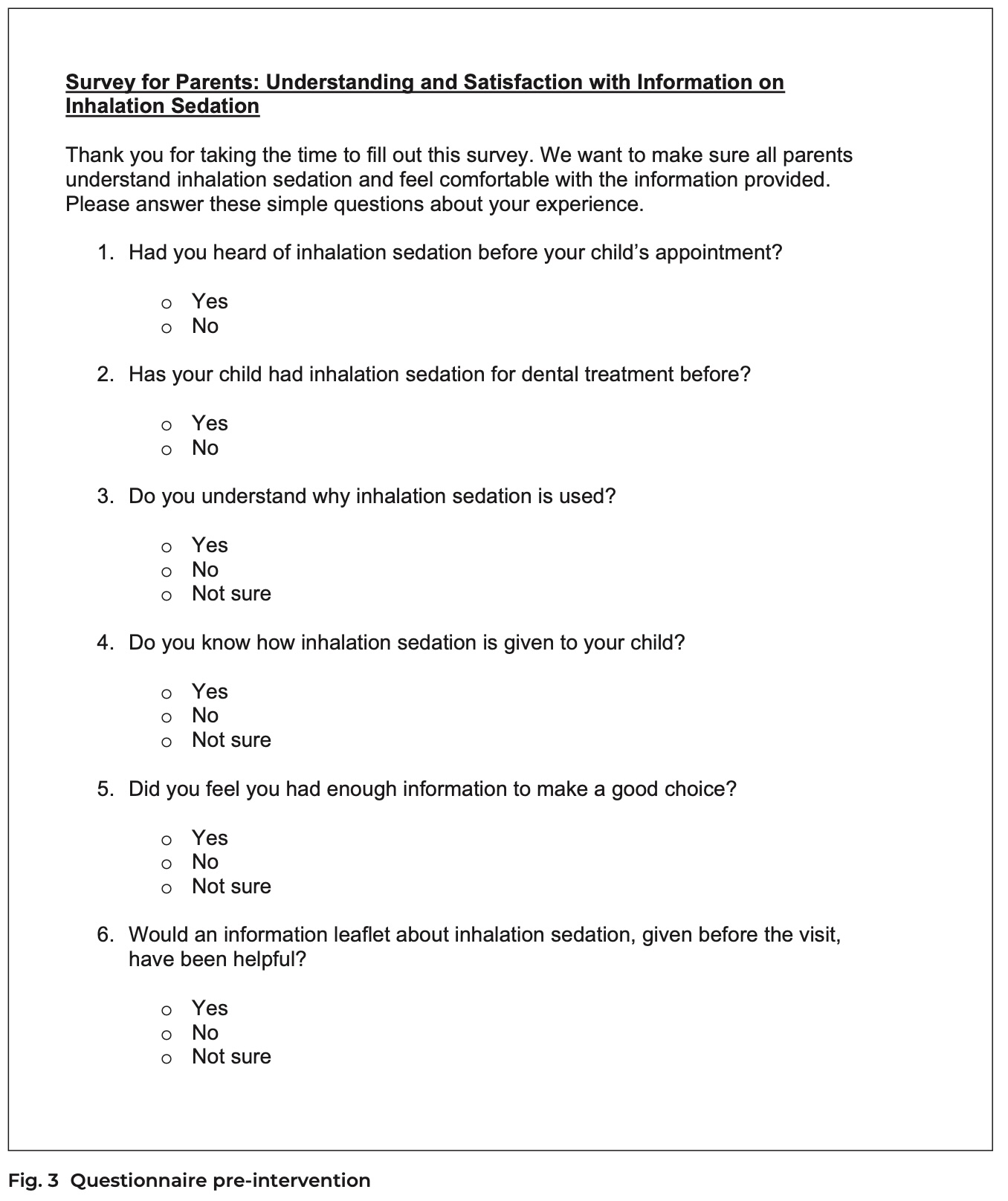
- Assess parental understanding of IHS before and after the intervention using questionnaires
- Support informed decision-making during treatment planning by ensuring parents are better prepared prior to assessment visits
- Contribute to reducing failed IHS cases over time by improving case selection and treatment planning
- Contribute to environmental sustainability by reducing unnecessary NO emissions associated with failed IHS.
Implementation
The project was implemented in Wirral CDS, targeting parents of children (under age 16 years) referred by their GDP for IHS.
Intervention
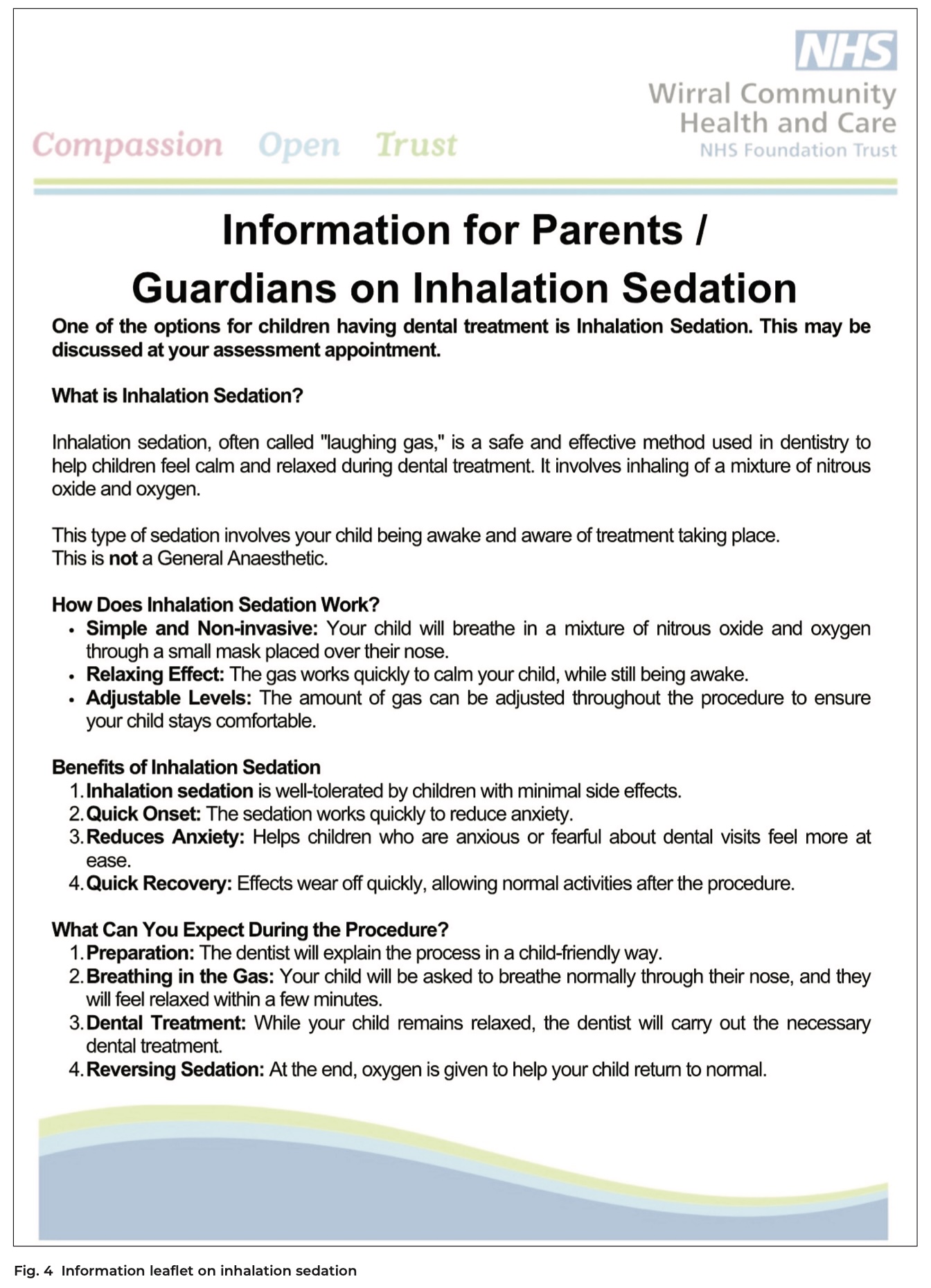
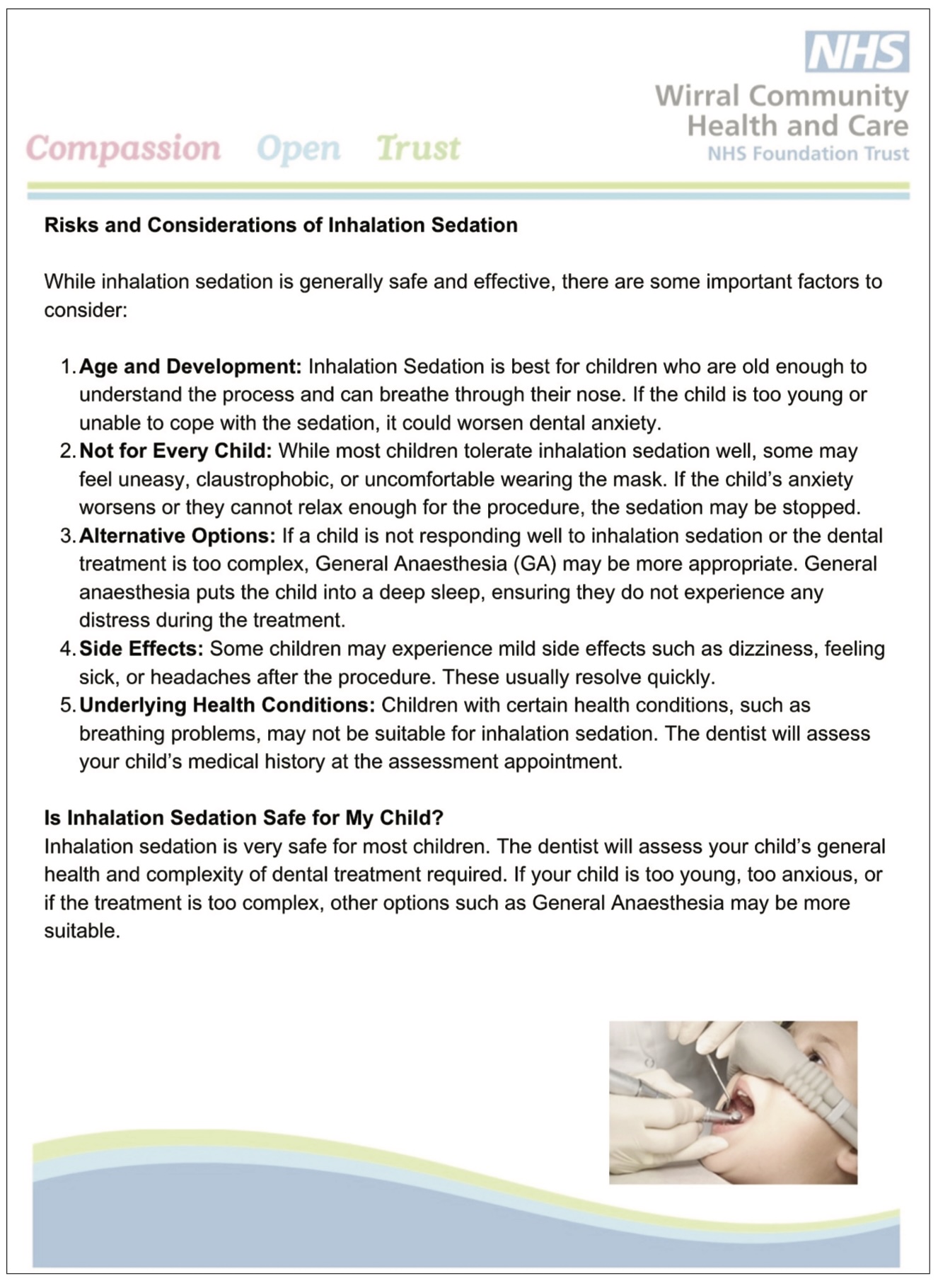
A digital information leaflet was developed using tools to make it accessible- incorporating features such as headings, bullet points, images, and simple language.6 Clear, concise language and sentence structure were used, as parents may have limited literacy skills.6 According to the National Literacy Trust, one in six adults in England has very low literacy skills.7 A 2021 census revealed that 23.4% of Wirral's population left school without qualifications, but it was not possible to determine the reading age or literacy rate.8
A digital information package was emailed to parents before their assessment appointment, ensuring they had sufficient time to review before their appointment. This included:
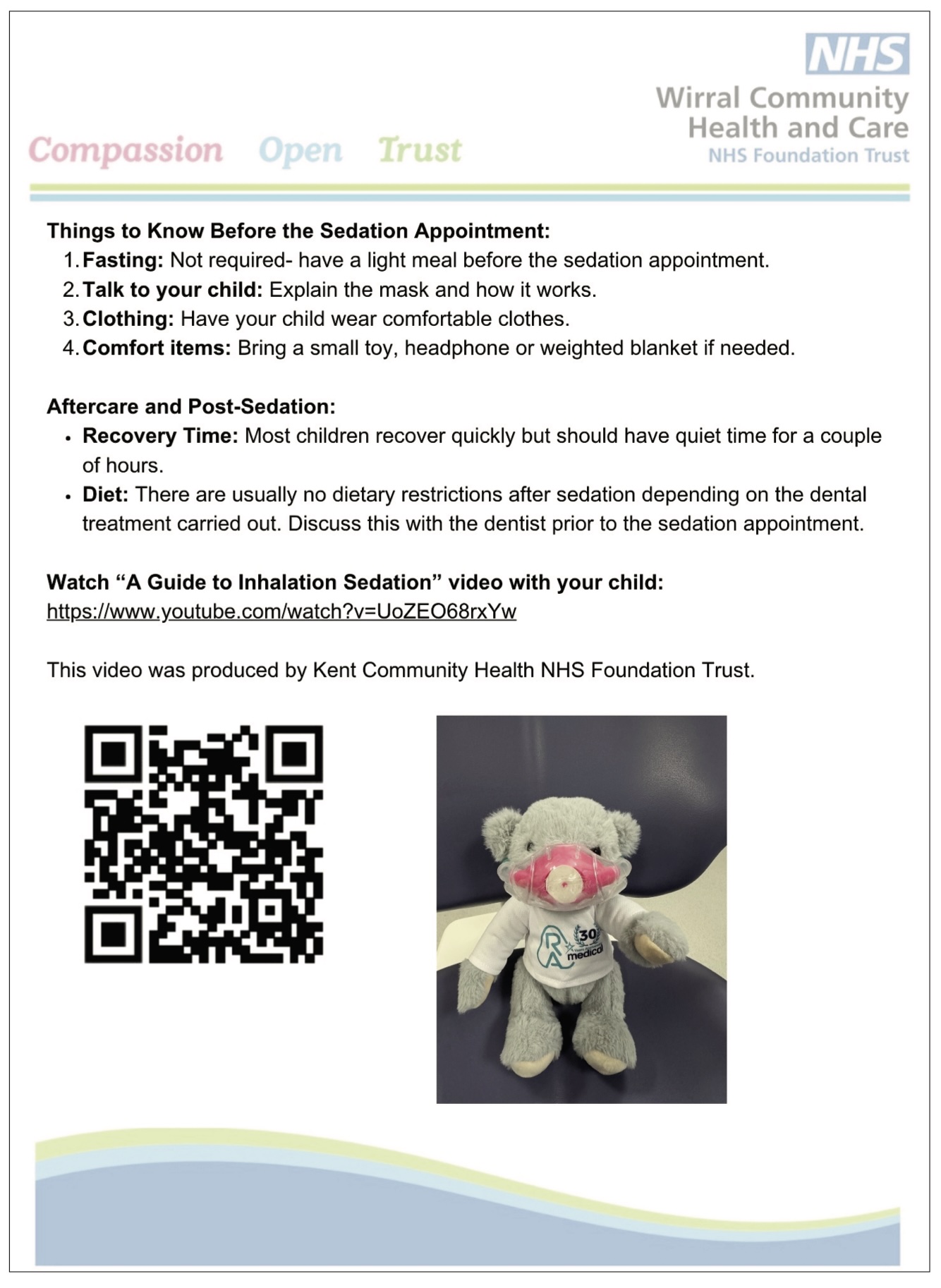
- A digital leaflet covering:
- A description of what IHS is
- Indications and benefits
- Risks, considerations and alternative options
- Preparation for IHS.
- An embedded video linkto a video, produced by Kent Community Health NHS Trust,5 visually explains IHS and what to expect.
Data collection
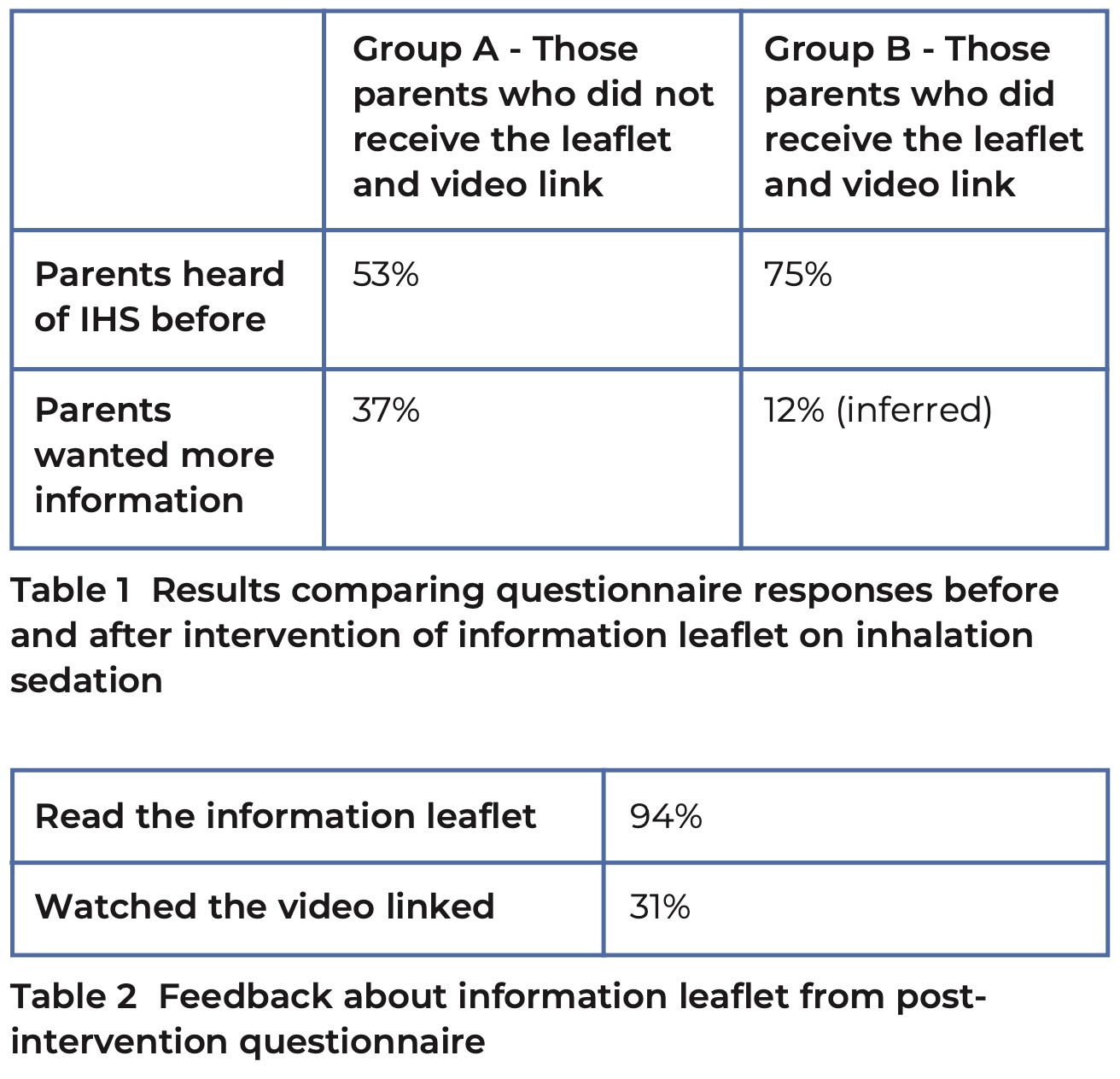
- Group A - Those parents who did not receive the leaflet and video link: This assessed baseline parental perceived understanding of IHS. This data was collected following their initial assessment appointment with a group of parents who had not received the information package.
- Group B - Those parents who did receive the leaflet and video link: Evaluated how well a separate group of parents felt they understood IHS after having received the information leaflet and how useful they found the leaflet. This data was also collected following their initial assessment appointment.
Results
Group A - Those parents who did not receive the leaflet and video link
- Response rate: 19 parents completed the questionnaire
- Awareness of IHS: 53% of parents indicated they had heard of IHS before the assessment appointment
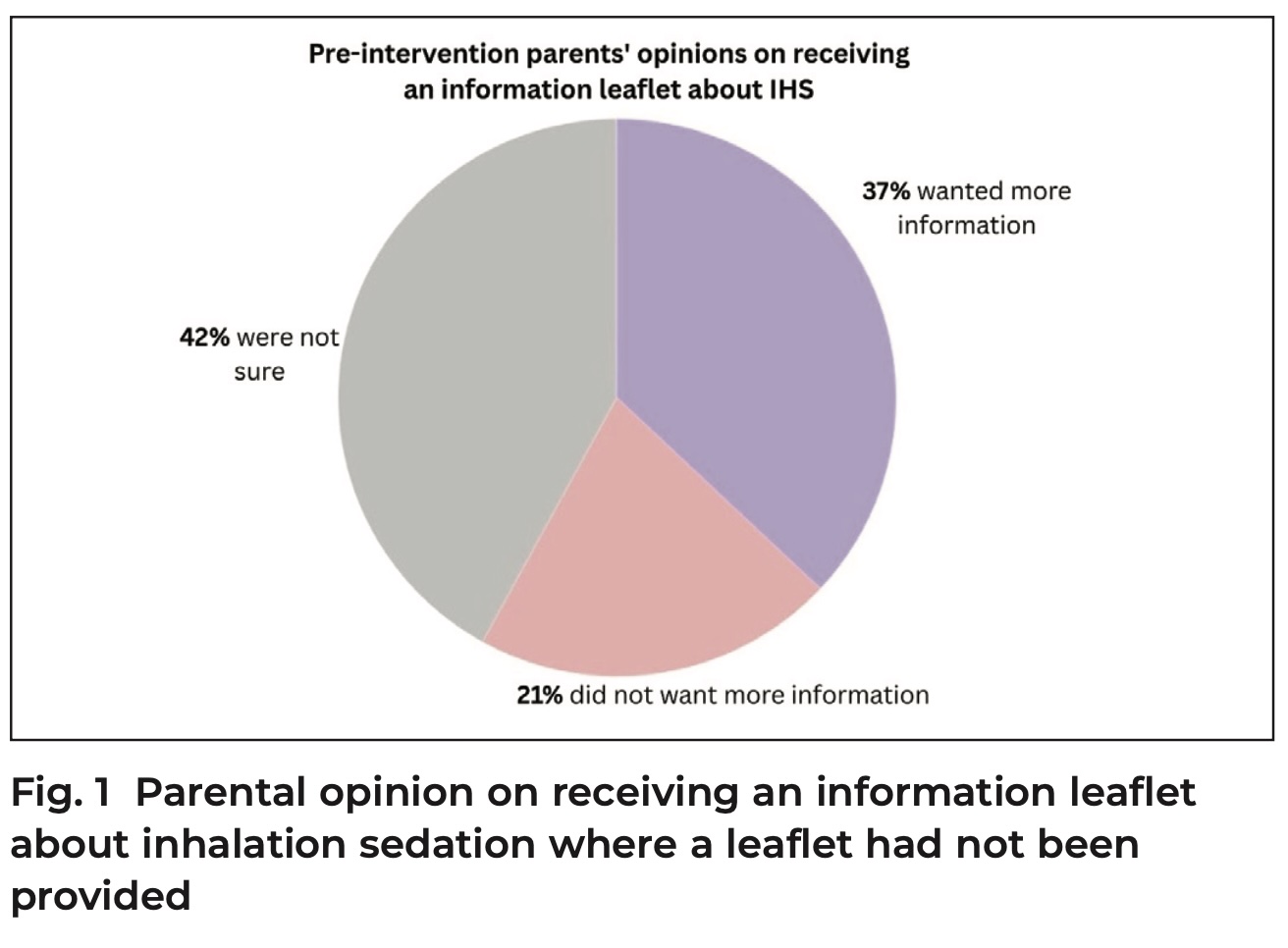
- Response when asked if they would like more information:
- 37% believed a leaflet would be helpful
- 42% were uncertain
- Perceived understanding: All parents believed they had sufficient information to make an informed decision.
Group B - Those parents who did receive the leaflet and video link
- Response rate: 16 responses
- Awareness about referral: 25% of parents were unaware their child had been referred for IHS, indicating a communication issue with the GDP at the time of referral
- Information satisfaction:
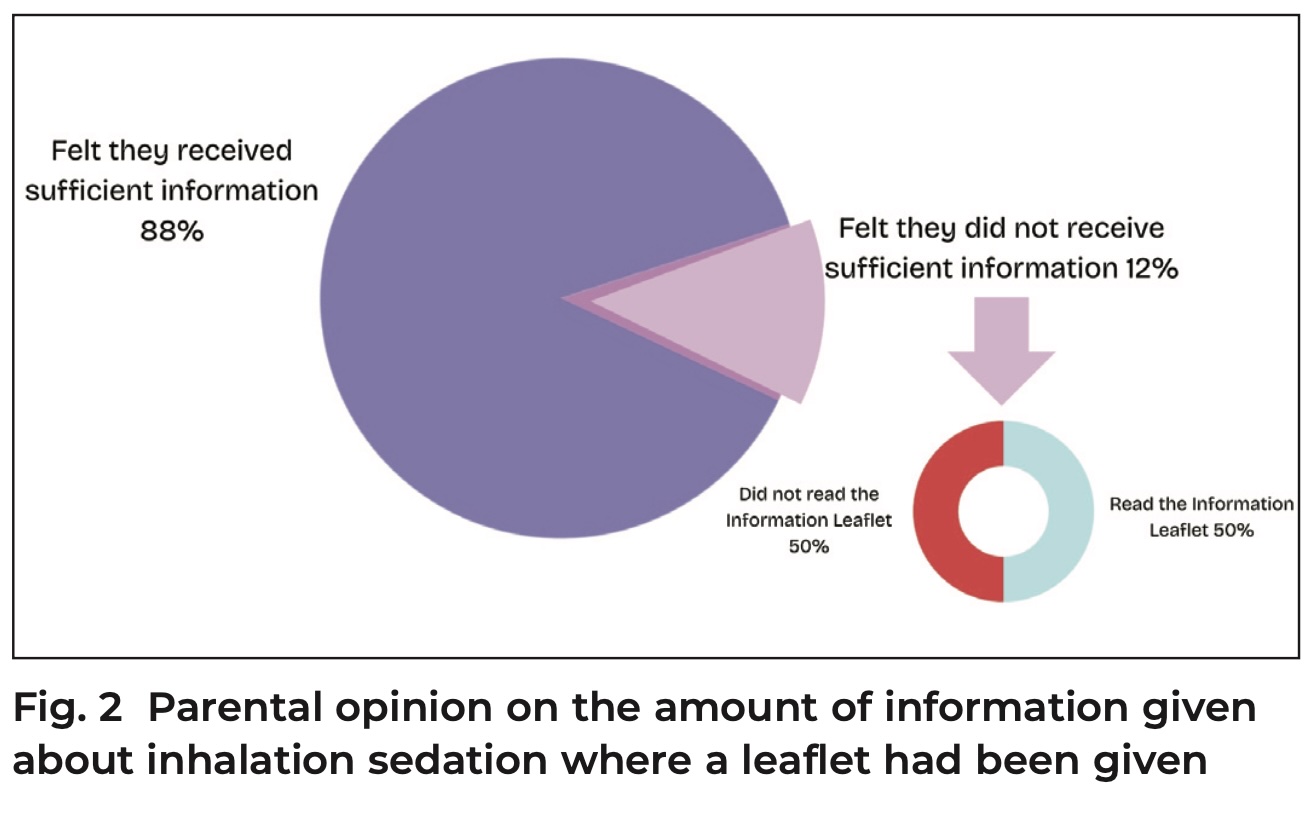
- 88% believed they had enough information to make an informed choice
- One of the two parents who thought they did not have enough information had not read the leaflet
- Feedback on digital resources :Most parents found the information leaflet helpful. Anecdotally, the video received positive feedback from those parents who had viewed it for its effectiveness in helping visualise IHS.
Qualitative feedback
(clinician observations)
Clinicians anecdotally observed improvements throughout the assessment process:
- Parents showed more confidence in discussing treatment modality options
- The video visually explained IHS for families, clarifying that IHS was not a chairside GA and helping parents better advocate for what their child might manage as part of their dental treatment
- Clinicians reported that some appointments were more efficient as families attended with baseline knowledge of IHS.
Discussion
The information leaflet provided information in both written and visual formats to help parents understand IHS as a treatment option. This supports shared decision-making between parents and clinicians for suitable case selection, which can reduce failed IHS. Parents were better prepared by sending the information package ahead of the appointment.
Results showed many parents were unaware their child had been referred for IHS. This highlights that improvements are needed in communication at the stage of the GDP, making an onward referral.
The leaflet currently does not mention the use of local anaesthesia (LA) injections as part of treatment, as procedures carried out using IHS will vary, and LA may not always be included. Clinicians verbally explain LA during the assessment appointment, where required; however, to better manage parental expectations, this could be added to the information leaflet.
A digital leaflet aligns with environmental sustainability goals, but printed resources are also required to ensure accessibility standards, as not all families will have access to digital resources.
This digital resource can be implemented into the standard new patient procedure by providing an information package when booking the assessment appointment. Only 31% of parents viewed the video; in future implementation, embedding the video directly into an email instead of a QR code may be more effective.
Limitations
- Limited sample size
- Short follow-up period
- This QIP has not collected direct data on reducing sedation failure rates in either of the two groups of patients surveyed; however, it could obtain this information in cycle two of the local audit assessing failed IHS, leading to a subsequent GA.
The leaflet measured parents’ perceived understanding of IHS. It would be possible to validate the parents' knowledge of IHS by conducting a study comparing the knowledge gained by two groups of parents as suggested by Bacher.9 In this study, each group would receive a questionnaire with theoretical questions about IHS. One group would have been given the leaflet, while the other group would not, allowing for a comparison of their actual knowledge.
The parental questionnaire used, following the introduction of the information resources, could also be redesigned in the future to ask more specific questions, such as ‘Were there any words you did not understand?’ and use direct feedback to make amendments to the leaflet to better meet the objectives of the QIP. This model was successful in a King’s College London study on the development of a new patient website.10
The patient leaflet was designed with accessibility in mind; however, the Flesch Reading Ease Score could be used to assess reading age, and in the future, consider developing an EasyRead option.11
Conclusion
This QIP illustrates that educational interventions can improve parents’ perceived understanding of IHS. The impact of this intervention in reducing failed IHS and the resultant reduction in NO pollution could be measured in another audit cycle of failed IHS.
Action Plan
Text
- Presentation of QI results to CDS staff at quarterly staff meeting
- Implementation of a new digital information leaflet on inhalation sedation sent to parents / guardians before assessment appointments into standard procedure
- Translate the leaflet into multiple languages
- Plan to commence the second cycle of the failed IHS GA conversion audit six months after the complete rollout of the digital information leaflet
- Plan an audit to evaluate the benefit of nurse-led acclimatisation in reducing failed IHS
- Explore other options to reduce nitrous oxide pollution with the dental team, such as:
- Consider introducing catalytic cracking technology, which breaks nitrous oxide into harmless components
- Review the Standard Operating Procedure (SOP) for inhalation sedation, incorporating guidance for clinicians to taper off the nitrous oxide dosage once the procedure's most challenging part, such as administering local anaesthetic, has been completed
- Explore alternatives to IHS for the management of dental anxiety, including hypnosis, music therapy, and virtual reality handsets. These could be instead of or alongside IHS to enhance its effectiveness.
References
1. Royal College of Anaesthetists. Your Anaesthetic Environment [Internet]. Online information available at: https://rcoa.ac.uk/patients/about-anaesthesia-perioperative-care/your-anaesthetic-environment (accessed January 2025).
2. IPCC. Climate Change 2007: The Physical Science Basis. Contribution of Working Group I to the Fourth Assessment Report of the Intergovernmental Panel on Climate Change [Internet]. Online information available at: https://www.ipcc.ch/report/ar4/wg1/ (accessed January 2025).
3. Society for the Advancement of Anaesthesia in Dentistry. Climate and NO [Internet]. Online information available at: https://www.saad.org.uk/index.php/climate-n2o (accessed March 2025).
4. Simonsmeier B A, Flaig M, Simacek T, Schneider M. (2021). What sixty years of research says about the effectiveness of patient education on health: a second order meta-analysis. Health Psychol Rev. 2022; 16, 450-474. doi: 10.1080/17437199.2021.1967184.
5. Kent Community Health NHS Foundation Trust. A guide to inhalation sedation [Internet]. Online information available at: https://www.youtube.com/watch?v=UoZEO68rxYw (accessed September 2024).
6. Wylde V, Brennan S, Johnson E, Roberts K, Beswick AD, Jameson C. Recommendations for developing accessible patient information leaflets for clinical trials to address English language literary as a barrier to research participation. Trials. 2024; 624. doi: 10.1186/s13063-024-08471-5.
7. National Literacy Trust. Information on adult literacy in the UK and our Books Unlocked Programme. Online information available at: https://literacytrust.org.uk/parents-and-families/adult-literacy/ (accessed September 2025).
8. Wirral Intelligence Service. Census 2021: Wirral Council Data Pack. Online information available at: https://www.wirralhealthwellbeingknowledgehub.co.uk/media/itlmemmm/census-data-pack-28-10-2020-final.pdf (accessed September 2025).
9. Bacher H, Schweyen R, Vordermark D, Leplow B, Hey J. Development and Validation of an Information Leaflet on Oral Care for Irradicated Patients. Patient Prefer Adherence. 2020; 14, 1791-1799. doi: 10.2147/PPA.S256990.
10. Adams A, Davies V, Stubbs B. Producing a new website for paediatric liaison mental health team with our service users. BMJ. 2020; 9. doi: 10.1136/bmjoq-2020-001128.
11. NHS England. Good communication with patients waiting for care. [Internet]. Online information available at: https://www.england.nhs.uk/long-read/good-communication-with-patients-waiting-for-care/ (accessed September 2025).