

Please click on the tables and figures to enlarge
IV sedation in an adult dental health department: a single-centre two cycle audit
Z. Ahmed*1
D. Parmenter2
T. Friend3
M. Dorri4
1 Dental core trainee
2 Specialty Trainee in Prosthodontics
3 Specialist Endodontist
4 Consultant in Restorative Dentistry
Restorative Department, University Hospital Bristol and Weston Dental Hospital, NHS Foundation Trust, Bristol, UK.
*Correspondence to: Dr Zunera Ahmed
Email: Zunera.ahmed@nhs.net
DOI: 10.63507/IFIG2959
Abstract
Aims
- To evaluate the sedation service provided by the Adult Dental Health department (ADH), Bristol Dental Hospital (BDH), in accordance with the Intercollegiate Advisory Committee for Sedation in Dentistry (IACSD) 2020 Standards
- To evaluate the efficiency of the sedation service provided for NHS priority group patients.
Methods
Retrospective data collection of 39 adult dental health patients who had intravenous (IV) sedation over a 24-month period. Data was assessed in accordance with the standards provided in IACSD 2020. NHS service evaluation factors were also assessed.
Results
Based on the IACSD standards and the SAAD safe sedation practice scheme (2023) the department was compliant with the majority of factors evaluated. One complication was recorded: an allergic reaction to a pre-operative antibiotic (Clindamycin). The average dose of midazolam administered was 9.0 mg and the average duration of procedure was 98 minutes. 71% of patients did not have an anxiety score or alternative anxiety management options recorded. The median wait time between sedation assessment and treatment was 8.5 weeks, with COVID-19 protocols a predominant cause of delay for treatment.
Conclusion
Bristol Dental Hospital provided an efficient and safe service for IV sedation for NHS priority groups. An action plan has been devised to ensure that the service provided is in accordance with the IACSD 2020 standards. A pre-operative sedation proforma will include airway assessment and BMI. The indicator of sedation need (IOSN), anxiety questionnaire will also be made available in the department to allow anxiety assessment and discussion for alternative anxiety management options.
Key learning points
- Ensure patients are receiving thorough airway assessments prior to sedation, particularly patients who have had head and neck surgery or developmental defects
- Follow a clear protocol for reversal of sedation cases
- Integrate the use of IOSN within pre-operative assessments.
Introduction
Conscious sedation is a method of pharmacological anxiety management. The technique involves the administration of a single drug or drugs which induce a state of central nervous system depression. The patient remains semi-conscious and verbal contact is maintained throughout the procedure. Conscious sedation can be administered via oral, intravenous, intramuscular or inhalation routes. The drugs and techniques used throughout the procedure should maintain a margin of safety to render the loss of consciousness unlikely.1
In the adult dental health department NHS priority group patients are offered IV sedation as a form of anxiety management for more complex surgical procedures which are necessary as part of their overall restorative treatment plans. In accordance with local commissioning groups priority group patients are head and neck cancer patients, hypodontia patients and patients affected by major trauma. These patients may require surgical procedures such as bone grafting procedures, sinus lifts, dental implant placement and soft tissue grafting. In some cases, patients may not be able to tolerate these procedures under local anaesthetic (LA) alone.
Historically, such complex dental procedures or procedures that require anxiety management have been carried out under general anaesthetic (GA). Previously, the restorative dental team has worked in conjunction with Maxillofacial Surgery colleagues to carry out procedures such as bone grafts and sinus lifts on GA lists. This involves significant investment in time, staffing and resources for these cases. The benefits of a conscious sedation dental service compared to a GA service include reduced waiting times, reduced staffing requirements and costs as well as fewer morbidity risks for the patient.2
The IACSD (2020) report and the SAAD safe sedation practice scheme (2023) ensures that IV sedation is carried out in a safe and effective manner. The standards cover essential pre-operative, peri-operative and post-operative criteria that ensures safe and efficient practice. These standards are applicable in primary and secondary care settings.
Prior to providing conscious sedation a thorough pre-operative assessment is imperative to assess suitability for conscious sedation. A comprehensive medical history, dental history including anxiety assessment and social history should be taken. Pre-operative blood pressure, oxygen saturation, body mass index (BMI), heart and respiratory rate must be recorded. Any deviations from ‘normal’ readings should prompt further investigation or referral to medical colleagues. An ASA classification should be recorded and gives an overall indication of a patient’s general health. An airway assessment and venous access assessment should also be recorded. Obtaining valid consent is an essential step in any dental procedure and, as part of this, a discussion of alternative anxiety management options should be carried out.
Aims
The aims of the audit include:
- Evaluation of the pre-operative, peri-operative and post-operative care provided at Bristol Dental Hospital, adult dental health department in line with the IACSD 2020 standards and SAAD safe sedation practice scheme (2023) as well as, local NHS commissioning guidance3, 4
- Assessment of the efficiency of the service with regards to waiting times, staff allocation and successful completion of treatment.
Methodology
IV sedation cases over a period of 48 months (01/12/2018 – 31/12/2022) were assessed. Inclusion criteria included NHS priority group patients receiving IV sedation on ADH over the set study period. In total 39 patients were identified. Pre-operative sedation assessments in the patient records were assessed by the audit lead using the data collection proforma shown in Table 1.
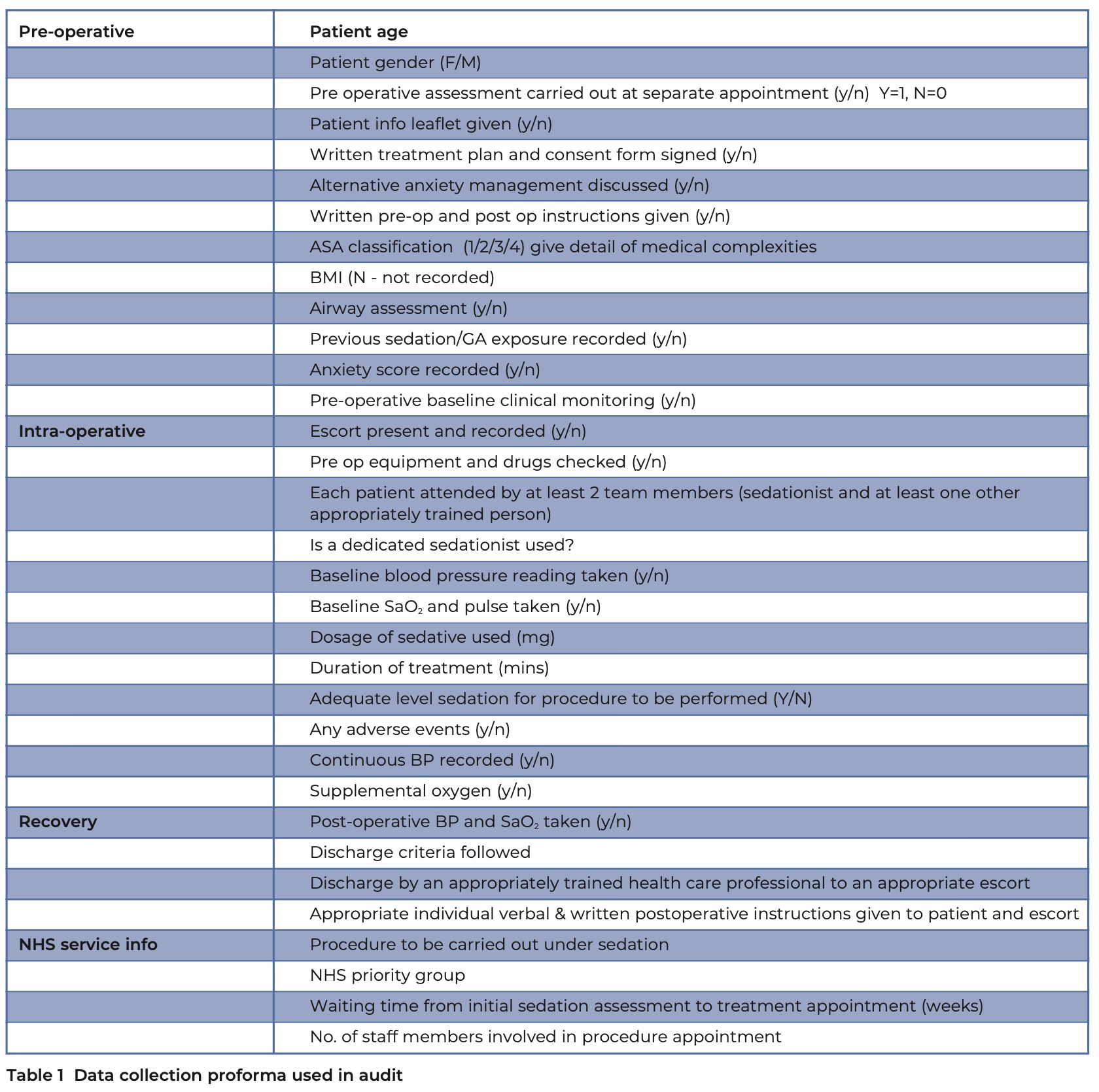
The data collection proforma was developed by the audit leads based on criteria listed in the IACSD 2020 standards and SAAD safe sedation practice scheme (2023) and local NHS commissioning guidance.
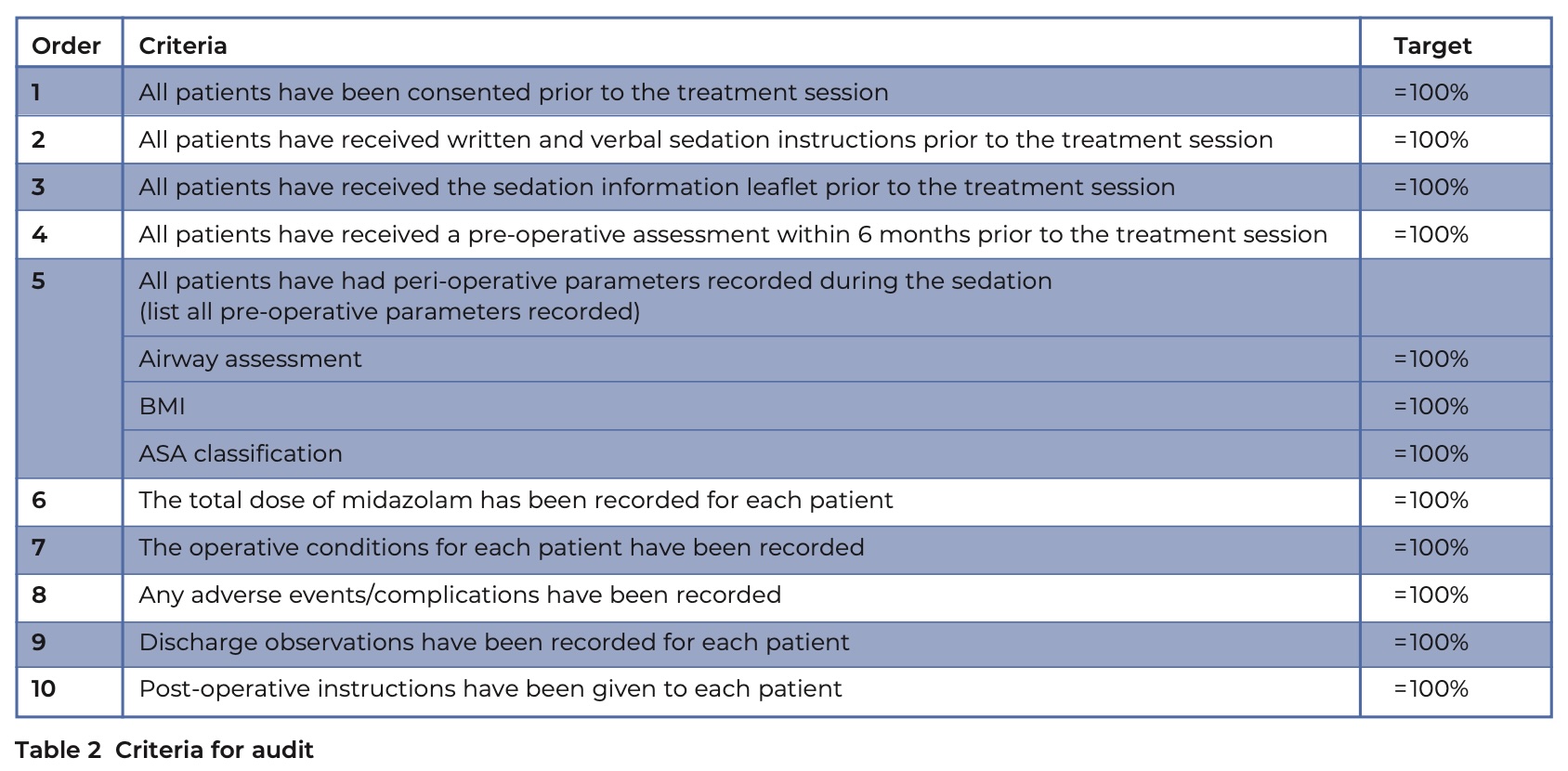
The objective was to ensure that 100% of the target criteria was met. The criteria for the audit are displayed in Table 2.
Results
Pre-operative criteria
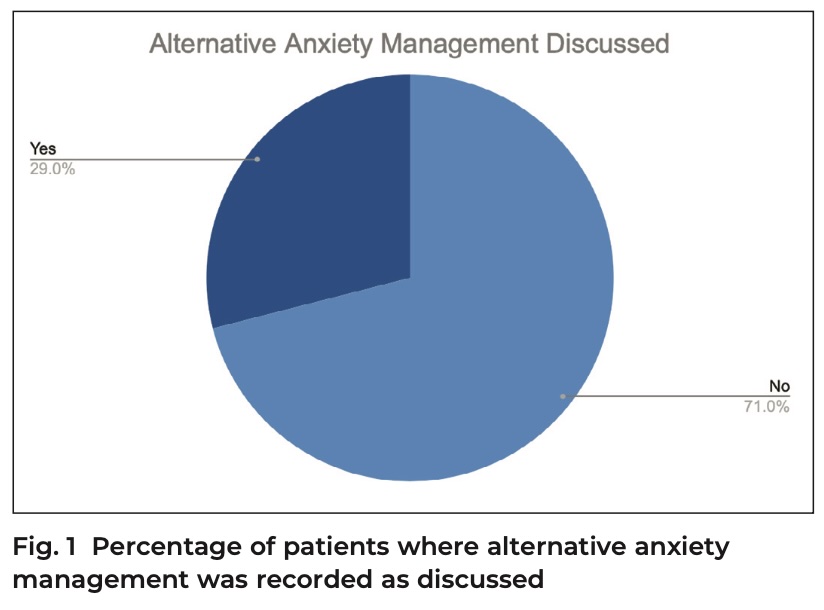
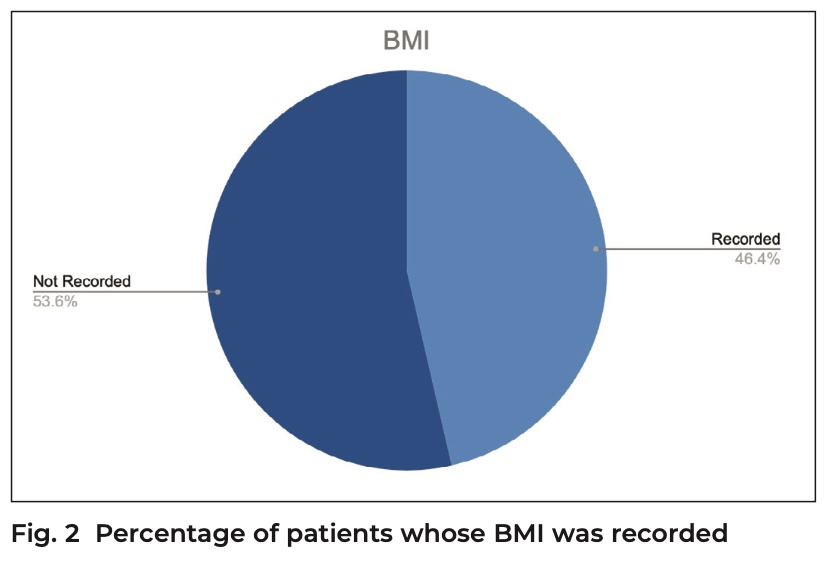
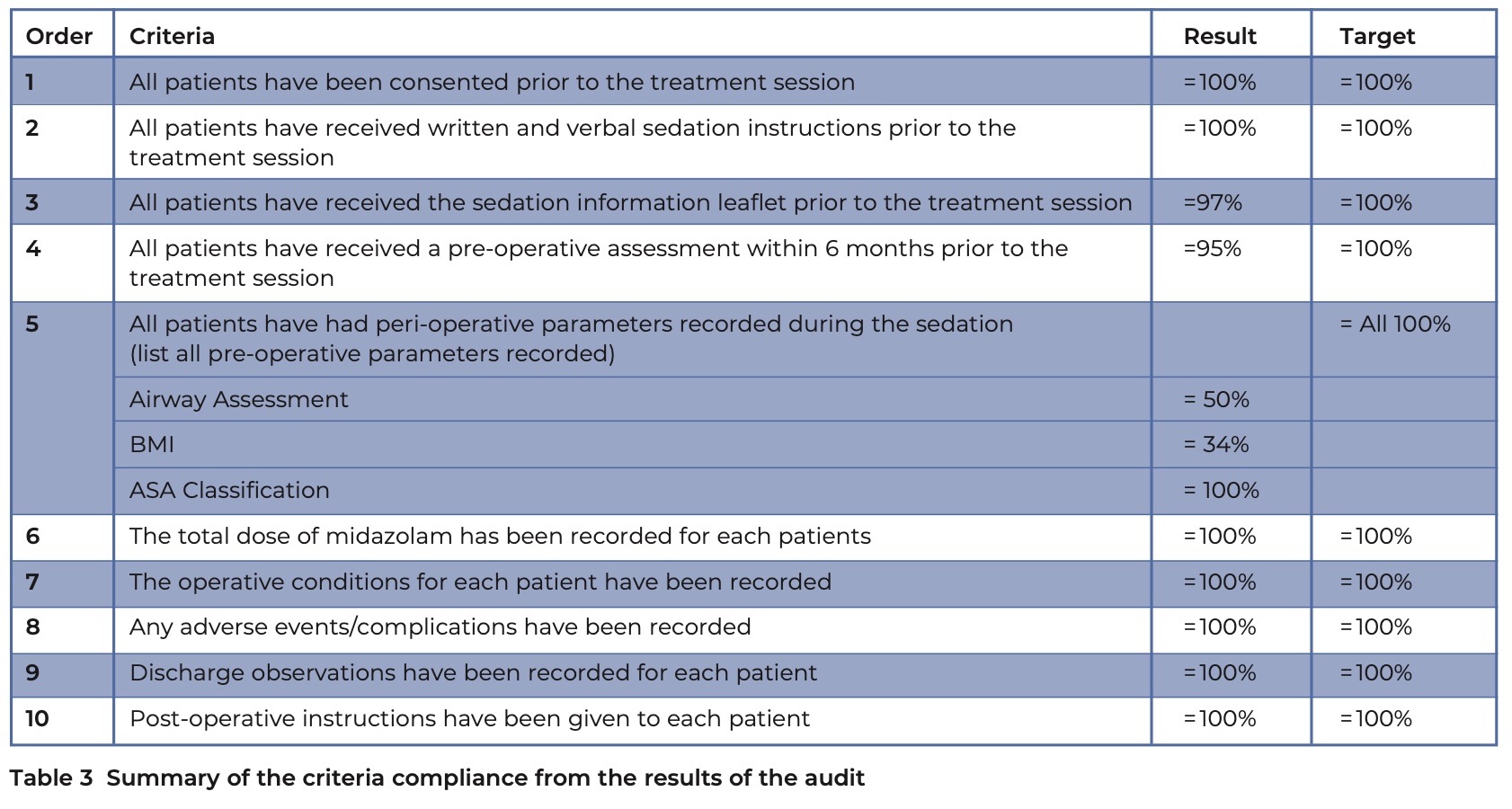
The results showed that the average age of patients seen for sedation was 47, 59% were female, 41% were male. 95% of patients were assessed pre-operatively at a separate appointment. 97% were provided with an information leaflet explaining the sedation process. 100% of the patients gave written consent for their treatment and sedation. The results highlighted that 97% of patients had no anxiety scores recorded pre-operatively and alternative anxiety management was recorded as having been discussed for 29% of patients (Fig. 1). BMI score was recorded for 46.4% (n=18) of patients (Fig. 2).
Intra-operative and post-operative criteria
100% of the sedation cases involved a dedicated sedationist and at least two appropriately trained team members (as defined in IACSD 2020). 100% of patients attended with an appropriate escort and equipment, and emergency drugs were checked beforehand.
The average dose of midazolam used for the sedation procedures was 9.0 mg and the average duration of the procedure (as defined from initiation of sedation to recovery) was 98 minutes.
One adverse event was noted. This was a reaction to a pre-operative antibiotic Clindamycin 600 mg, which was prescribed by the surgical team. Thirty minutes after taking the antibiotic the patient suffered from gastric symptoms and vomiting. The procedure was abandoned, and the patient was monitored clinically for signs of anaphylaxis.
In 100% of cases the blood pressure and oxygen saturation were recorded post-operatively.
In 100% of cases written and verbal post-operative instructions were given to both the patient and the escort.
NHS Service Information
Figure 3 highlights the NHS priority groups who received treatment alongside sedation at the Bristol Dental Hospital in the ADH. The majority of these patients (n=17) had hypodontia. Trauma patients (n=10) and Head and Neck cancer patients (n=2) also received treatment. This was in accordance with the local NHS commissioning guidance.
Other groups who received treatment included patients accepted for teaching cases, cleft lip and palate patients, as well as patients with particularly complex medical histories (n=10).
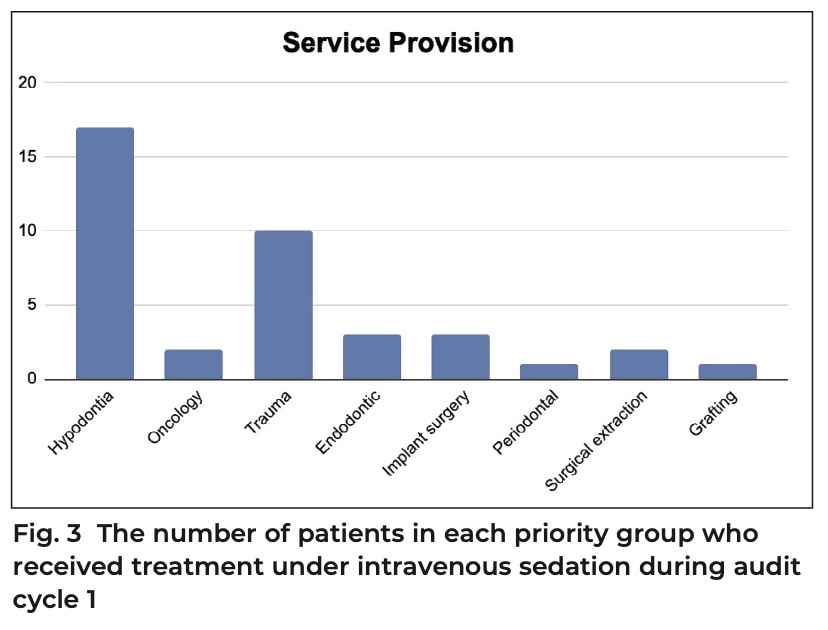
The majority of the cases that required IV sedation were for implant surgery and bone grafting, but teaching cases were also included.
It was noted that the average wait from initial assessment for sedation to surgery was 27.85 weeks. However, the study period covered the COVID-19 lockdown with reduced clinical service levels. The median was noted to be 8.5 weeks which was deemed to be a more accurate reflection of waiting times.
Table 3 summarises the results in comparison to the targets set.
Action Plan following audit cycle 1
The audit highlighted areas within the service provided to NHS priority groups in the ADH at the Bristol Dental Hospital which require improvement. Improvements to the service in line with the IACSD 2020 standards and SAAD safe sedation practice scheme (2023), as well as local NHS commissioning guidance, can ensure delivery of high-quality sedation care at the Bristol Dental Hospital.
The results were presented at the local departmental meeting within the Trust. An action plan has been created by the facilitators of the audit to improve the sedation service. This includes creating a sedation proforma which can be used for patients undergoing IV sedation in the department and documented on the electronic patient record system. The proforma ensures that airway is assessed, and the patients BMI is recorded. Each division within the proforma will ensure that all pre-operative parameters are recorded sufficiently warranting an improved service.
Table 4 shows an example of the pre-sedation proforma that is to be implemented which was created by the Audit Leads.
The ADH will also store scales and a height measuring tape to allow the BMI to be calculated and recorded on site during the pre-sedation assessment.
The IOSN will also be utilised to assess the need for sedation. Patients will be given a copy of the MDAS at the pre-operative appointment. These will be printed and stored in the adult dental health department. This will allow assessment of anxiety prior to sedation provision, as well as opening the discussion for alternative anxiety management options.
Overall, we hope the actions listed above will create improvements in the efficiency and safety of the sedation service provided in the ADH. A second cycle of the audit will be carried out to determine whether the interventions have created the required improvements.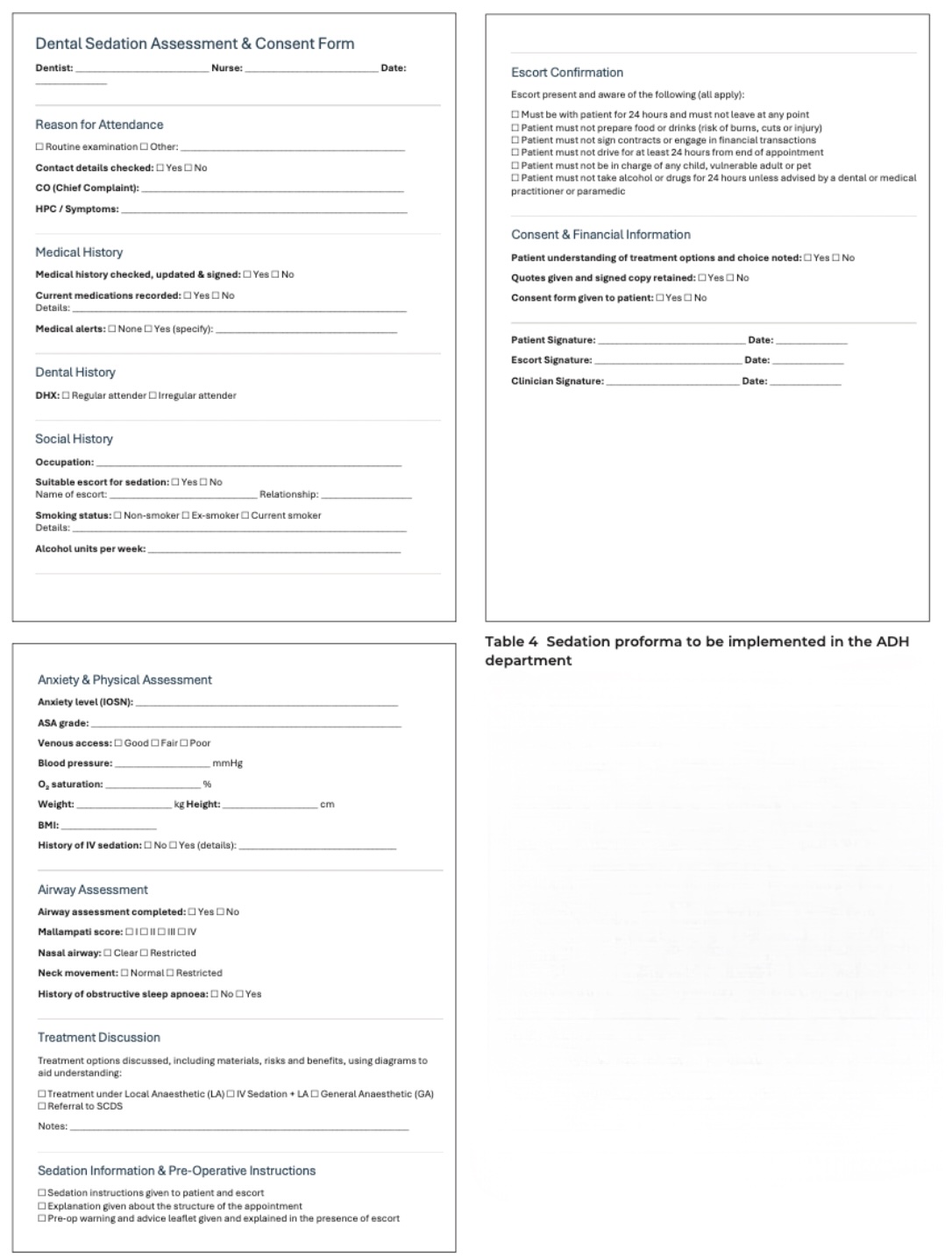
Results from audit cycle 2
Pre-operative criteria
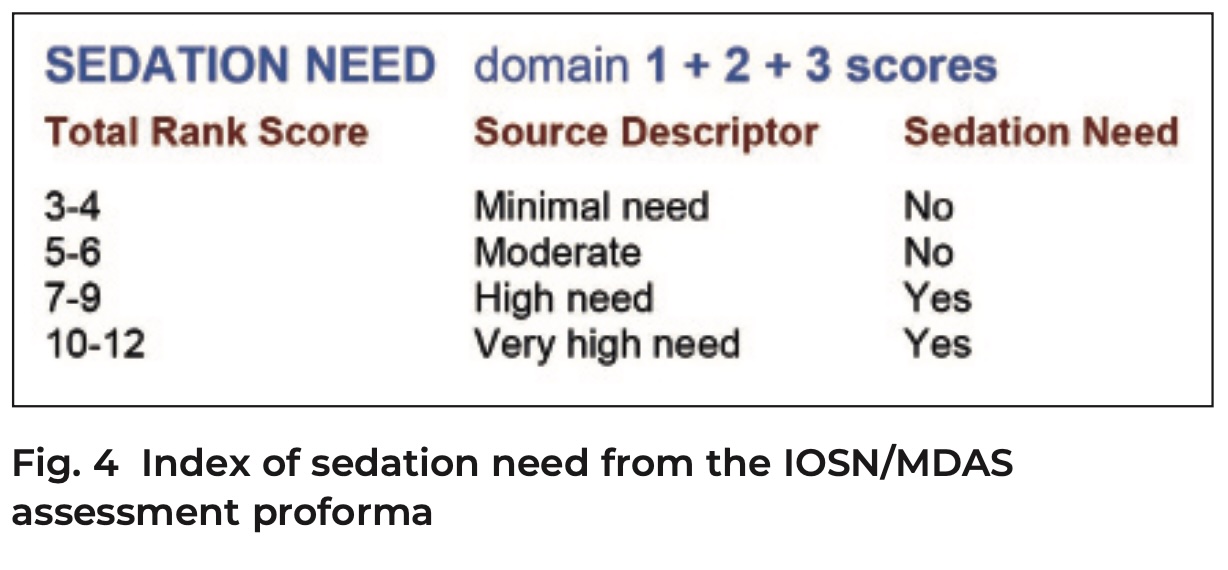
Following audit cycle 1, the IOSN/MDAS anxiety assessment tool was introduced, resulting in an increase in pre-operative sedation assessments from 3% to 81%. The mean Sedation Need Score was 6, indicating a moderate to high need for sedation in dental treatment (Fig. 4).
A BMI assessment was also introduced as a recommendation from Cycle 1, achieving 94% compliance in Cycle 2. The mean BMI for our cohort was 26.
There was full compliance with all other pre-operative assessment criteria listed in Table 1.
Intra-operative and post-operative criteria
Two unexpected events were identified during Audit Cycle 2. The first involved a patient whose oxygen saturation dropped to 73% shortly after treatment commenced. The procedure involved rubber dam placement for root canal therapy. The patient had a unilateral cleft lip and palate, a Mallampati Class II airway and in addition, a non-patent nasal airway. This was identified during pre-operative assessment, and it was agreed to proceed with treatment under mild sedation. The patient had a habit of breath-holding during dental procedures, which contributed to the desaturation. The episode was managed by administering 200 micrograms of flumazenil to reverse sedation and providing high-flow oxygen, resulting in a return to 100% saturation within 60 seconds. The root canal treatment was subsequently completed uneventfully under local anaesthetic during the same appointment. A patient safety incident report was filed, and relevant healthcare providers were notified to support shared learning.
The second event involved a patient's arterial oxygen saturation falling below 93%, triggering an oximeter alert. High-flow intranasal oxygen was administered, and the procedure continued without the need to reverse sedation.
Audit cycle 2 demonstrated 100% compliance with all intra-operative and post-operative assessment criteria listed in Table 1. These criteria were adapted from the IACSD 2020 standards, the SAAD Safe Sedation Practice Scheme (2023), and local NHS commissioning guidance.3, 4
NHS service information
In alignment with local NHS commissioning guidance, 88% of patients who received sedation belonged to NHS priority groups (Fig. 5). The remaining 12% comprised surgical periodontal cases that were accepted as part of postgraduate training programmes.
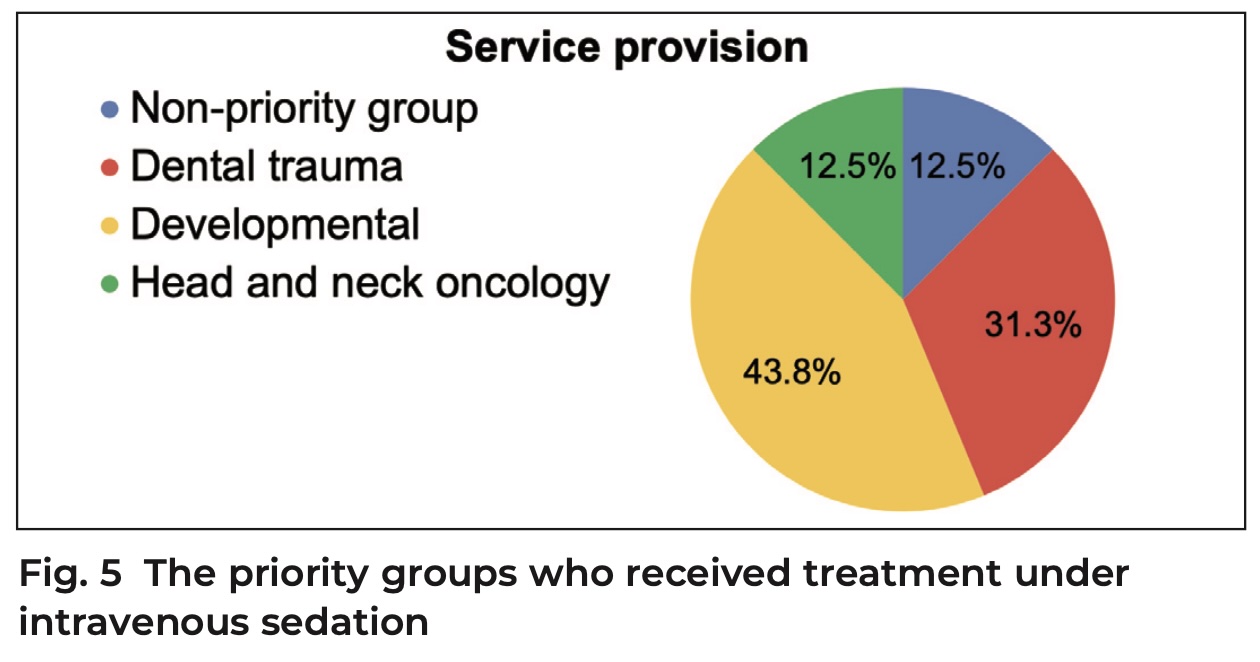
The second audit cycle highlighted that our sedation service is being used to facilitate more complex surgical treatments such as bone grafting, implant placement, apicoectomy and surgical periodontal treatment (Figure 6), which may alternatively require general anaesthesia. 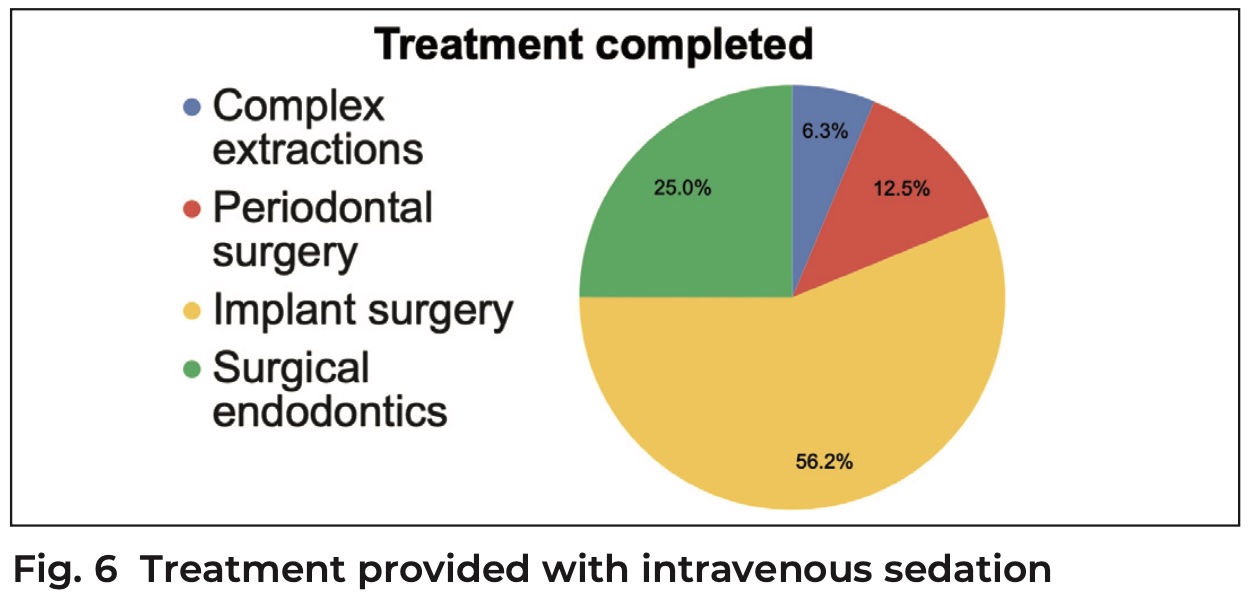
The initial audit cycle recorded an average waiting time of 28 weeks between sedation assessment and treatment, primarily attributed to reduced service provision during the COVID-19 pandemic. The second audit cycle, conducted between January 2024 and March 2025, reflects an increase in service capacity in the post-pandemic period, with a reduced mean waiting time of 15 weeks.
Action plan following audit cycle 2
The results were presented at the local Restorative Department meeting within the Trust. In response, the audit facilitators have developed an action plan to further improve the sedation service.
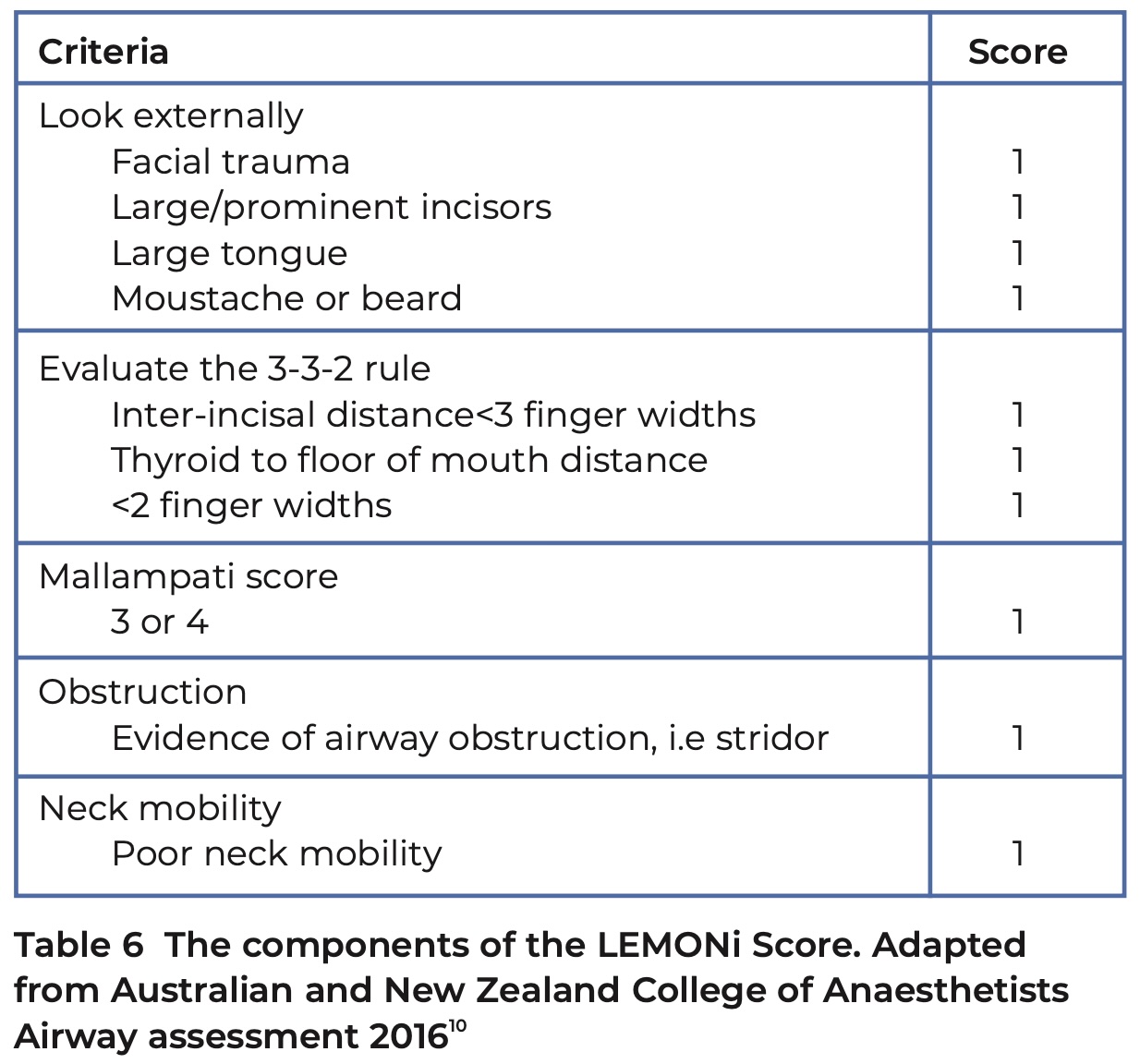
A more comprehensive airway assessment proforma will be integrated into both the written and electronic sedation assessment forms. This enhancement aims to improve the early identification of potentially difficult airways, facilitating better treatment planning and promoting patient safety.
Flumazenil is not routinely used to reverse conscious sedation within the department, it is reserved for rare emergency situations. Nevertheless, it is essential that the sedation team remains confident and proficient in its use. To support this, clear and concise instructions have been printed and placed alongside the flumazenil ampoules in the clinic, providing a quick-reference guide during high-pressure scenarios.
Discussion
The results from the audit suggest that overall, the service provided at the Bristol Dental Hospital, ADH is an efficient service for NHS priority group patients who require surgery. However, there are improvements that can be made to better the quality of service provided to patients.
It is recommended that the BMI is recorded in all pre-operative sedation assessments of patients. Pre-operative parameters such as BMI and airway assessment improved between audit cycles from 46.6% to 94%. The mean BMI for our audit cycle 2 cohort was 26, which the NHS website classifies as overweight (ref). BMI can assist in assessing the airway, cannulation, and respiratory difficulties, and in understanding co-morbidities associated with obesity. The effect these have on conscious sedation allows selection of the safest treatment method for patients.5 Patients with an increased BMI (>35kg/m2) are at risk of airway obstruction when sedated due to a reduced muscle tone in the pharyngeal soft tissues. Pre-operative assessment considerations such as vital signs, airway, venous access, and co-morbidities can allow for safe management of patients with high BMIs.6
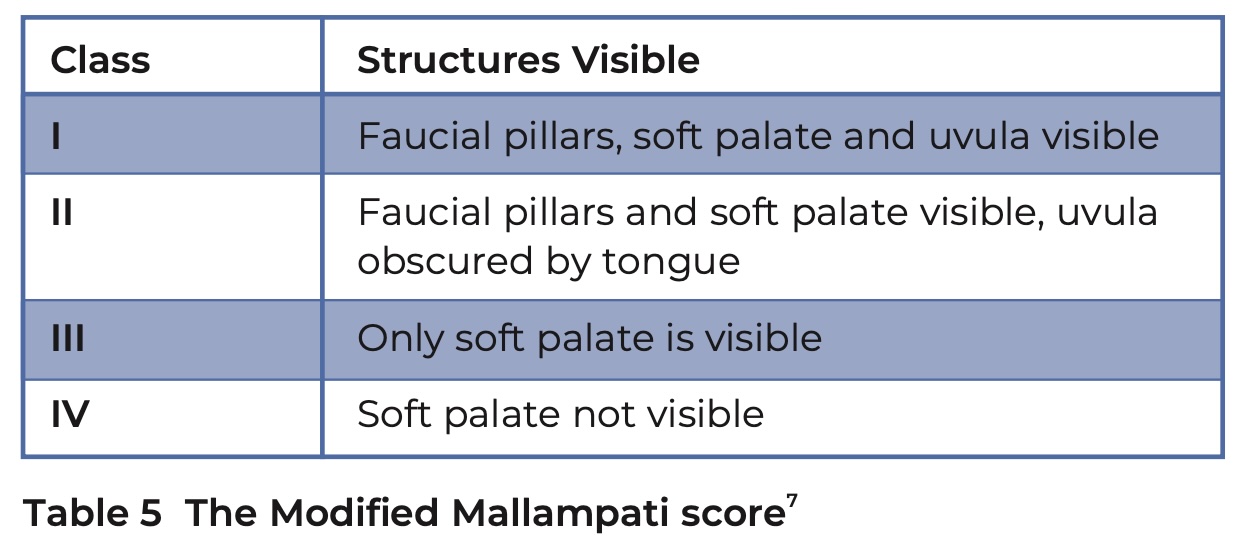
The IACSD 2020 states that sedationists need to ‘carry out airway assessment and anticipate potential difficulties during sedation or if ventilation is required’. Conscious sedation, particularly IV sedation with midazolam can increase a patient's susceptibility to airway obstruction or obstructive sleep apnoea (OSA). Pre-operative airway assessment is essential to identify risk factors that may increase the likelihood of airway issues or difficulties with airway interventions, hence optimising patient safety. Airway assessment can be carried out through the Modified Mallampati score. The score classifies the visibility of oropharyngeal structures when the patient opens their mouth maximally and extrudes their tongue. It allows appreciation of the size, position, and mobility of the tongue in relation to the oral cavity, and oral access. The greater the score, the more difficult the airway is potentially considered to be. Table 5 displays the Modified Mallampati score.
Other methods of assessing a patient’s airway include considering their BMI, weight distribution and neck circumference. Patients with higher BMI are also at risk of airway obstruction as discussed above. However, weight distribution can influence the airway risk. Patient’s with ‘thicker necks’ or with more weight distributed around the head/neck region are at an a increased risk of airway obstruction due to increased distribution of adipose tissue around the upper airway.8
Audit cycle 1 noted that there was no tool currently being used at the Bristol Dental Hospital to assess the sedation need of patients. The indicator of sedation need (IOSN) can be used as a means of identifying, assessing, and delivering appropriate sedation to patients. The modified dental anxiety scale (MDAS) consists of a questionnaire patients can complete to assess their level of anxiety. The scale can be entered into the IOSN to determine the need for sedation. The IOSN not only assesses how dentally anxious a patient is but also the patient’s health, behaviour, and physical and dental treatment complexity. The tool can help identify the patients who require treatment under conscious sedation, as well as aid with commissioning of the sedation service.9
Overall, treatment provided at the Bristol dental hospital was carried out safely following the appropriate guidance. Only one adverse event was noted during audit cycle 1. This was an attribute of the patient's complex medical history which resulted in an allergic reaction to the pre-operative antibiotic (clindamycin). This was managed and resolved efficiently by the team members. During audit cycle 2 there was an incidence of oxygen desaturation which prompted reversal of the patient’s conscious sedation with flumazenil. A post-operative root cause analysis confirmed that the patient had a potentially difficult airway. Consequently, only a small amount of midazolam was used to achieve light sedation. Following this event, a new airway assessment tool has been introduced to facilitate a more thorough airway assessment to help clinicians identify difficult airways.
The guidance for nasal oxygen is ambiguous. Respiratory depression is an established side effect of Midazolam and as such the SP0 levels of a sedated patient commonly fall during the procedure. Some clinicians may administer nasal oxygen when the SP0 is below a certain threshold whilst ensuring that the patient is still conscious and responsive. Audit cycle 1 highlighted that nasal oxygen was provided in 26% of cases. The common threshold for administration was SP0 93%. This was observed in 2 cases in audit cycle 2, and both patients received nasal oxygen. It is crucial, however, to monitor respiratory rate and be mindful of administering further sedative if supplemental oxygen has been administered as it may mask the signs of over-sedation.
Throughout the sedation procedure, for all cases, pulse oximetry was used to provide a visual and audible indication of arterial oxygen saturation, as well as heart rate and rhythm. Oximetry is recommended to be used to monitor patients throughout the sedation procedure by the IACSD 2020 guidance. Recent literature has suggested that capnography (ETCO) can also be used to monitor patients. It has been suggested that capnography can be an important addition to detect respiratory depression during procedural sedation and reduce the risk of hypoxia.11 IACSD 2020, discusses its use in patients with who are at higher risk with ASA grades III/IV, particularly those receiving supplemental oxygen throughout the sedation procedure. However, currently there is not sufficient evidence to implement its use for all patients or with patients with ASA grades I or II.
The average dose of midazolam noted from the results was 9 mg for our first audit cycle and 6 mg for cycle two respectively. Literature has suggested that the recommended maximum dose of midazolam is 7.5 mg. However, it has been noted that intravenous midazolam doses over 7.5 mg are considered 'off-label' but are accepted as 'common practice' in dental conscious sedation, where a single drug technique (midazolam) is used. The audit highlighted that the maximum dose was exceeded in 56.4% (n=22) of cases.12 The doses were necessary to ensure that patients were adequately sedated in order to carry out the required treatment. The patients were monitored throughout the procedure in accordance with the appropriate guidance, to ensure their safety.
NHS service provision for priority group patients at Bristol Dental Hospital is an efficient service. NHS England have stated that the maximum wait time for non-urgent, consultant-led surgery is approximately 18 weeks (unless the patient chooses to wait longer, or it is clinically appropriate to wait longer).13 Audit cycle 1 highlighted that the average wait for surgical treatment under sedation in the adult restorative department at the Bristol dental hospital was 27.85 weeks, the median of which was 8.5 weeks. This included the wait from initial sedation assessment to surgery. Three anomalies were noted in the wait times from the sample of 39 patients. These three patients displayed wait times between 45 to 52 weeks over the COVID-19 lockdown/reduced clinical levels time. Eliminating these patients from the sample and calculating a new mean resulted in an average wait time of 13.6 weeks, which falls within the NHS time frame. It is fitting to acknowledge that the wait times may have been affected by the COVID-19 pandemic that affected treatment and waiting times in 2020/21.
Audit cycle 2 was conducted between January 2024 and March 2025, following the re-establishment of normal clinical activity after the COVID-19 pandemic. The average waiting time from assessment to treatment was 15 weeks, confirming that service provision and waiting times had been impacted during Cycle 1. The current 15-week wait remains within the NHS target of 18 weeks for consultant-led surgical care.
Previously, Bristol Dental Hospital provided patients in the adult dental health department with general anaesthetic for complex treatment, or as anxiety management. The ADH worked in conjunction with the oral and maxillofacial surgery department. The introduction of sedation, as opposed to general aesthesia, has allowed for a more cost-effective service in terms of equipment, staff costs, equipment, and overhead costs including consumables, drugs, and building. A study comparing the costs of sedation versus general anaesthesia estimated the all-inclusive cost for treatment per patient under general anaesthesia was on average £285.79. The cost for sedation was approximately £90.81.2 This cost will vary for each Trust, as well as the procedures carried out. However, overall, sedation has proved to be a more cost-effective method of anxiety management.
Audit cycle 2 confirmed that the changes implemented following the initial audit have led to improved consistency and thoroughness in pre-operative sedation assessments. The introduction of the Index of Sedation Need (IOSN) assessment tool has further supported clinicians in evaluating individual patients' need for sedation.
An average IOSN score of 6 indicated a moderate need for sedation among the patients included in Cycle 2. This reflects the complex nature of the procedures performed, which included implant placement, bone grafting, and surgical endodontics.
Conclusion
The previous action plan to improve anxiety, BMI, and airway assessments has proven effective, with sustained improvements observed. As the number of sedation cases increases, it is expected that occasional unexpected events may arise. It remains essential to continue shared learning from these incidents and to implement changes that support a safe and efficient service.
Following audit cycle 2, a more detailed airway assessment will be introduced, and sedation-qualified staff will be trained in its application. Additionally, an instruction card will be provided with flumazenil ampoules to minimise the risk of human error during emergency situations.
References
1. Kapur A, Kapur V. Conscious sedation in dentistry. Ann of Maxillofac Surg, 2018; 8: 320-323 DOI: 10.4103/ams.ams_191_18.
2. Prabhu N T, Nunn J H, Evans D J. A Comparison of Costs in Providing Dental Care for Special Needs Patients Under Sedation or General Anaesthesia in the Northeast of England. Prim Dent Care, 2006; 13: 125-8 DOI: 10.1308/135576106778528964.
3. NHS England. Clinical standards for dental anxiety management. 2023. Online information available at: https://www.england.nhs.uk/long-read/clinical-guide-for-dental-anxiety-management/ (accessed October 2023).
4. NHS England. Clinical standard for restorative dentistry. 2022. Online information available at: https://www.england.nhs.uk/wp-content/uploads/2022/10/B1640-clinical-standard-restorative-dentistry.pdf (accessed October 2023).
5. Champaneri S, Morgan C, Shehabi Z. Preoperative assessments and treatment outcomes in conscious sedation. Fac. Dental J. 2018 Apr 9, 58-64. DOI:10.1308/rcsfdj.2018.58.
6. Howie G C, Ransford N, Russell S H. Clinical considerations in providing intravenous sedation with midazolam for obese patients in dentistry. Br Dent J. 2021 May, 230, :587-93. DOI: 10.1038/s41415-021-2944-9.
7. Stutz E W, Rondeau B. Mallampati Score.2023. Online information available at: https://www.ncbi.nlm.nih.gov/books/NBK585119/#:~:text=The%20modified%20Mallampati%20score%20used. (accessed October 2023).
8. Owen B, Bradley H. Airway Assessment for Intravenous Sedation in Dentistry. Dent. Update. 2022 Jan 2, 49, 52-6. DOI: 10.12968/denu.2022.49.1.
9. Coulthard P, Bridgman C M, Gough L, Longman L, Pretty I A, Jenner T. Estimating the need for dental sedation. 1. The Indicator of Sedation Need (IOSN)–a novel assessment tool. Br Dent J. 2011 Sep 10, 211 DOI: 10.1038/sj.bdj.2011.725.
10. Bradley P, Chapman G, Crooke B, Greenland. Airway Assessment 2016. Online information available at: https://www.anzca.edu.au/getContentAsset/c50e48ef-cbb8-4093-b2af-eff208c07a48/80feb437-d24d-46b8-a858-4a2a28b9b970/PU-Airway-Assessment-20160916v1.pdf. (Accessed May 2025).
11. Brady P, Hayes M, O'Halloran K, Giovannitti J. What's new in ... Capnography Monitoring for Dental Conscious Sedation: A Clinical Review. SAAD Dig. 2017; 33: 3-6.
12. Lawler H, Walker P. Evaluation of maximum dose intravenous midazolam used in dental intravenous sedation: a West of Scotland regional audit. Br Dent J. 2022 Jul 22, 233, 135-8. DOI: 10.1038/s41415-022-4456-7.
13. National Health Service. Guide to NHS waiting times in England. Online information available at: https://www.nhs.uk/nhs-services/hospitals/guide-to-nhs-waiting-times-in-england/ [Accessed October 2023].