

DOI: 10.63507/SJVV4849
Sedation at the end of the first quarter of the second millennium. What does the future hold?
SAAD Digest volume 41 is the second volume to be produced since we moved to two issues per year. The Editorial Board hopes that the opportunity for two batches of CPD will be more accessible and easier to manage for members.
This issue has three interesting and diverse papers. The first concerns the use of weight loss drugs, which seem to be fast becoming one of the widest used medications in the UK. There continue to be concerns about the safety of these drugs, with the death of a nurse from North Lanarkshire reported in the news in November last year.1 The paper provides the first advice I can find specifically for dental sedationists relating to the use of these drugs. I would commend this paper to all who are providing dentistry for adult patients, particularly as these drugs seem to be becoming more available online.
The second paper presents an audit from the only dental practice that is operating under the Recognition Arrangements that were put in place with the publication of the IACSD Standards in 2015. Having been involved in the writing of multiple guidelines and standards documents over the years, one of the perennial issues is the lack of an evidence base to inform the committees producing these documents. Quite correctly, it is really difficult to gain ethical approval for research that is to be carried out on paediatric patients, and particularly in primary care settings. Audit data can be a valuable source of evidence as to the safety and efficacy of practice, indeed Digest prides itself on being a journal that is keen to publish articles reporting audits. If readers care to look back over the last 20 years of Digest’s current format, a significant number of such articles will be found.
I would encourage those who have audit data to consider publishing evidence supporting the use of conscious sedation in dentistry.
The IACSD reviewed and version 1.1 was published in 2020.2 A review is overdue and it is disappointing to have to report that despite the hard work of the members of IACSD, chaired by Phil Taylor, the dental faculties of the royal colleges of surgeons have delayed the publication of the new standards. I am hopeful that the issues will be resolved by the time this issue of Digest is published.
During the deliberations of the IACSD for all three versions, including the yet unpublished 2025 iteration, the lack of evidence for what we do was an issue. This was also the case when I chaired the committee that produced the Scottish Dental Clinical Effectiveness Programme’s Sedation guidance published in 2006 and 2012.
As we seek evidence to support the practice of conscious sedation in dentistry, SAAD is aware that funding is needed to support research. SAAD does offer support for research in the form of grants, details of which can be found at https://www.saad. org.uk/ publications/prizes-and-grants#first-6, members are encouraged to consider applying if they have projects that fit the criteria.
Rereading the Editorial from 2024 issue 2 reminded me that we are one year on from the general election and the new government. In an article under the heading of ‘perspectives’ in the BDJ in July this year, Neil Carmichael reflects on what has changed in NHS dentistry in that year. The question he posed is, have they started to deliver on their manifesto pledges?3 The workforce issue continues to be a major factor in the availability of services where, according to Neil Carmichael, there has been little comment from the government on solutions to the workforce.3 In contrast, the University of East Anglia has been successful in securing funding to establish a dental school with the aim of commencing the programme in 2026. Unfortunately, it appears that governmental approval may not have been forthcoming in time for the deadline for registering new courses.4 Surely educating dental graduates in the UK in areas where they are most needed, and the services provided by the practitioners, can be complemented by the Dental Schools’ service provision and this must be preferable to raiding the graduates from other countries where they are needed by their own populations.
As a graduate of the University of Edinburgh, I can only look back at the shortsighted decision to close that School and University College in the early 1990s and wonder why there was a view that we were producing too many dentists.
SAAD continues to be active in advocating for the availability of high-quality services to dental patients who need additional pharmacological or non-pharmacological support to undergo dental treatment. As we approach the end of the first quarter of the 21st century, this part of our work continues to grow in importance.
I would like to end this review on a positive note. The Royal College of Surgeons of Edinburgh (RCSEd) ran the first diet of the new Diploma in Dental Sedation examination. It is encouraging that the College with which SAAD has a Memorandum of Understanding (MoU) has taken the step of launching this examination. I would hope that this will lead to closer cooperation between SAAD and the RCSEd.
There were 20 candidates registered to sit, and 19 attended and completed the examination. The feedback from the candidates was good in terms of the process and the way the exam was conducted. At the time of writing the results have yet to be released, and so I cannot give any information about the outcome. The dates of future examinations are listed in the ‘Dates of Interest’ section on the SAAD website at www.saad.org.uk/dates.
I must acknowledge the huge efforts David Craig has made to establish this exam, and without his dogged determination it would not have got off the ground. Once again it is an individual with strong affiliations with SAAD promoting advances in sedation with the aim of improving the quality of services available to patients and opportunities for the dental profession.
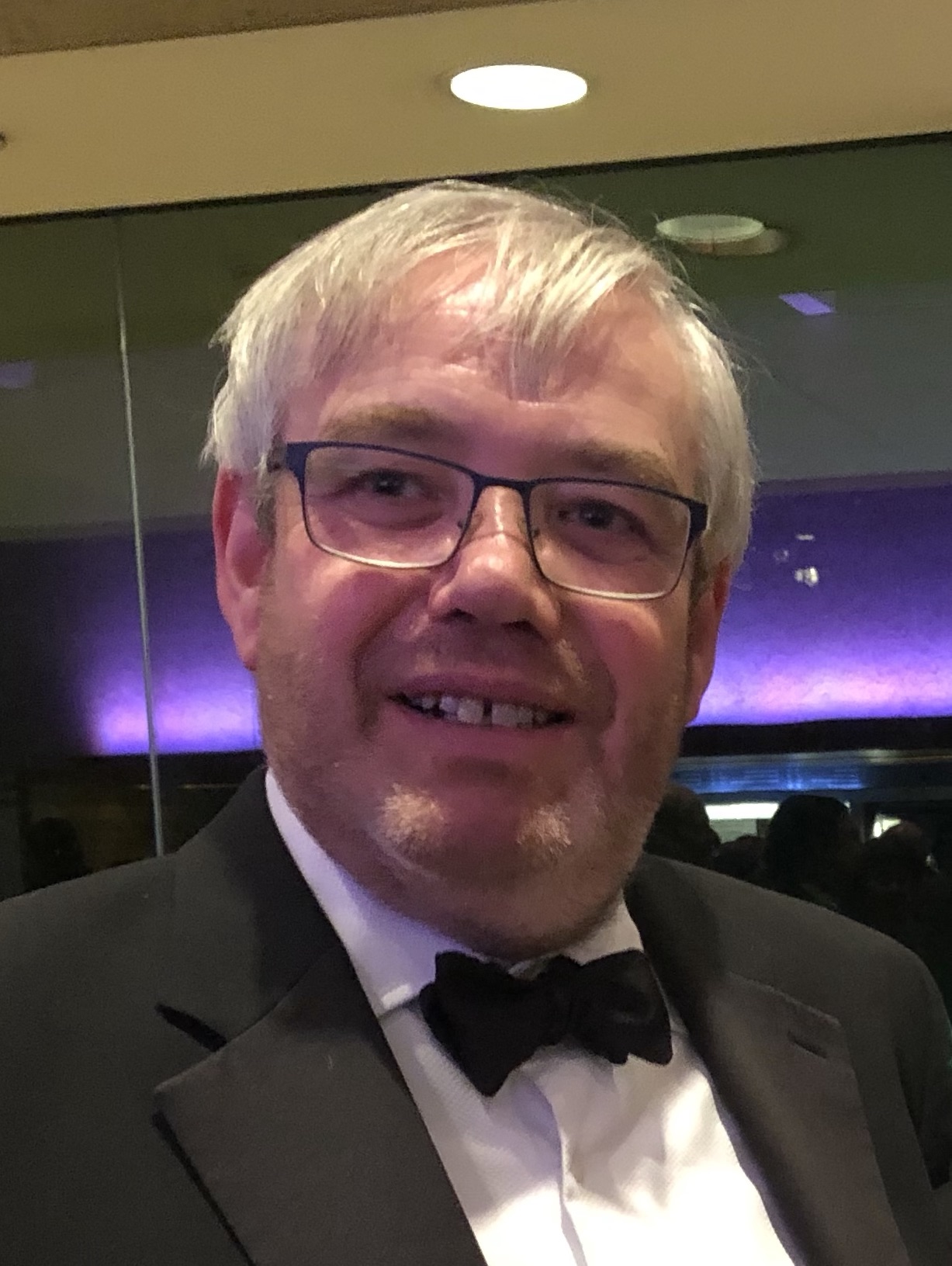
Nigel Robb
Editor of the SAAD Digest
References
References
1. BBC News. Nurse’s death linked to approved weight-loss drug. 2024. Online information available at https://www.bbc.co.uk/news/articles/cz6jg6nw2zeo (Accessed 29 July 2025)
2. Standards for Conscious Sedation in the Provision of Dental Care (V1.1). Report of the Intercollegiate Advisory Committee for Sedation in Dentistry. The dental faculties of the royal colleges of surgeons and the Royal College of Anaesthetists.2020. Online information available at https://www.saad.org.uk/index.php/component/edocman/?task=document.viewdoc&id=1146&Itemid= (Accessed 29 July 2025)
3. Carmichael, N. The new Government one year on: what's changed in NHS dentistry? Br Dent J 2025; 239: 117 https://doi.org/10.1038/s41415-025-8995-6
4. BBC News. 'Urgently needed' dentistry school plans face delay. BBC News website. 2025. Online information available at https://www.bbc.co.uk/news/articles/c5y0ne8eem9o (Accessed 29 July 2025)