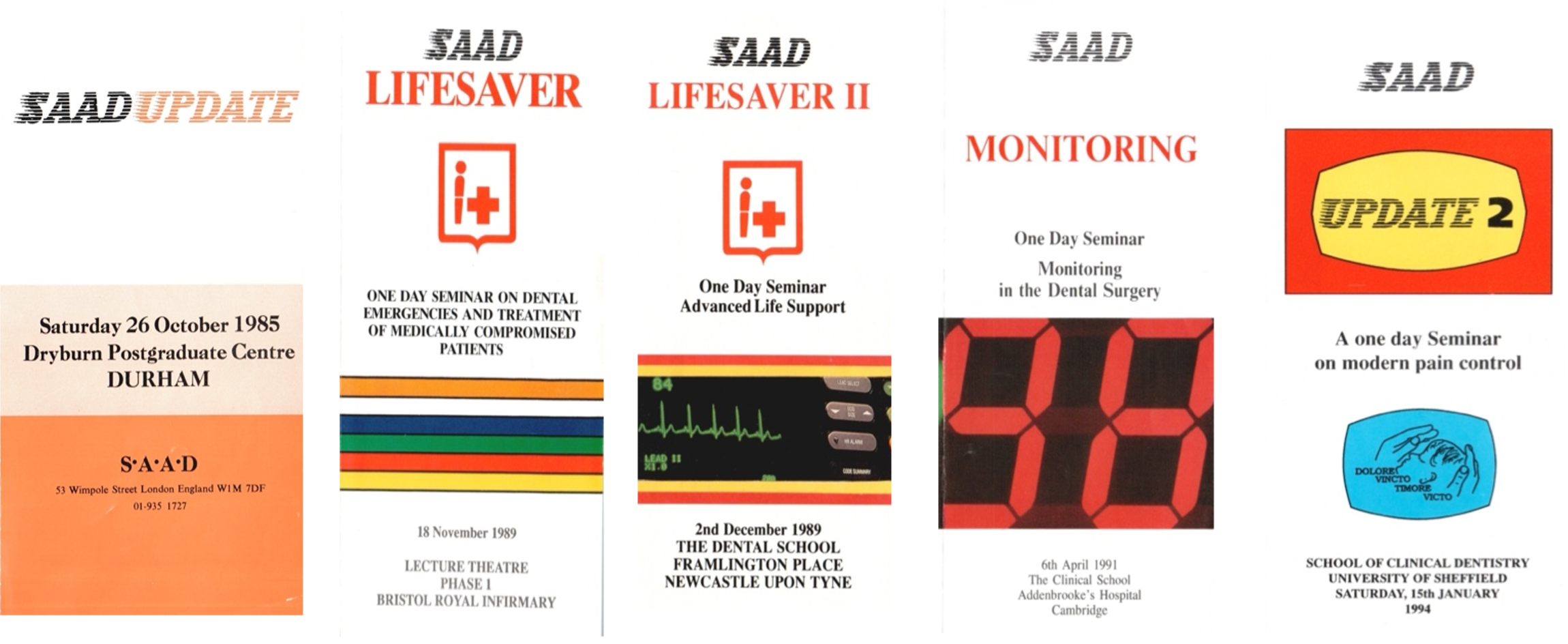
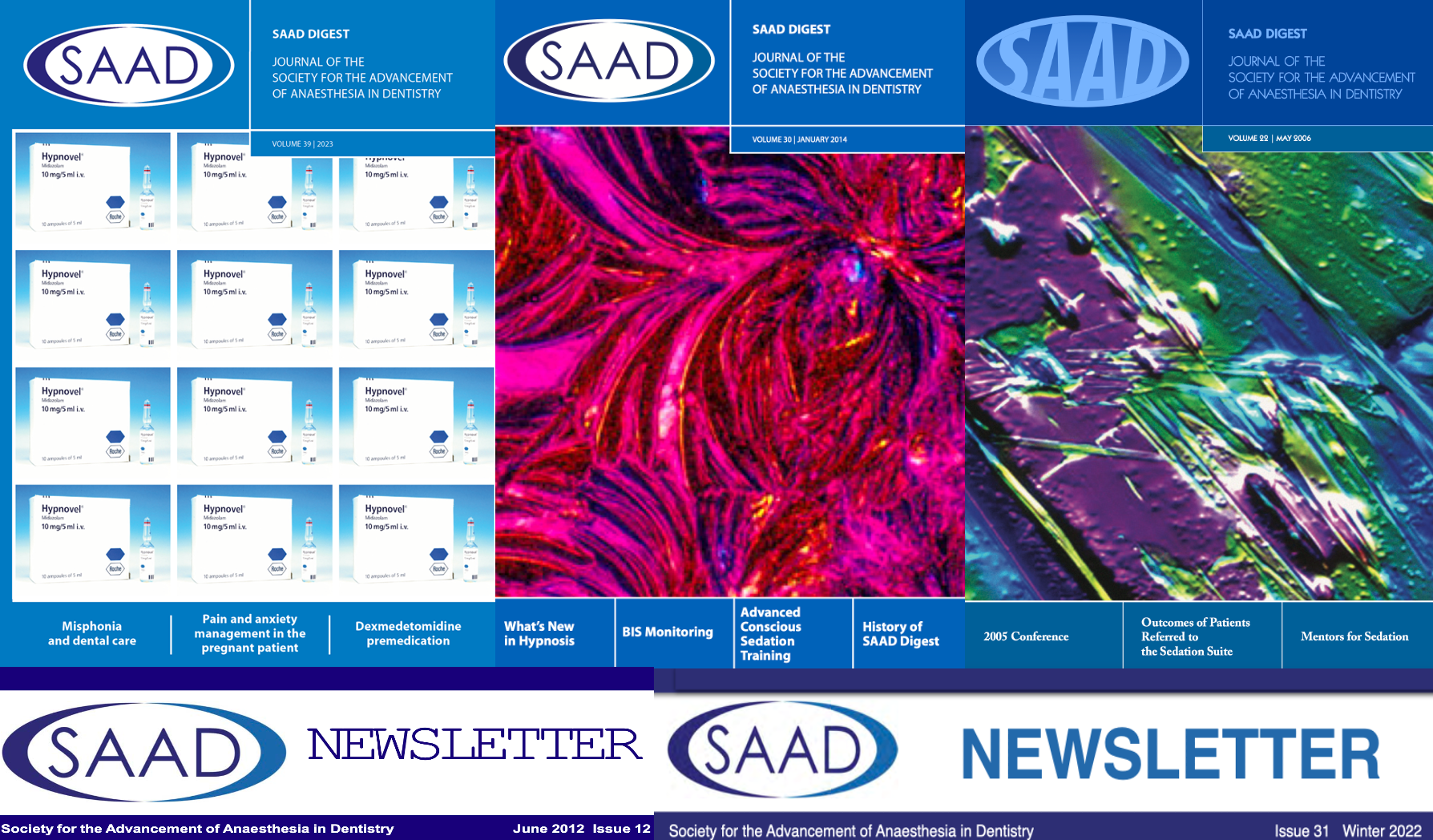
The first SAAD Digest was not the first SAAD publication. Since the formation of the Society, meetings and lectures had been recorded, transcribed, and published in verbatim form as ‘Digest Reports’. From February 1960 D-J also produced a ‘Librarian’s News Sheet’, which published items of news from the UK and overseas, promoted standards, provided notification of new products, and offered an opportunity for members to voice their opinions.
By 1969, and with SAAD’s membership having grown to over 2000, the difficulties in producing both publications could no longer be ignored. The current technology – a rotary duplicator – was not only unreliable, but it also made the printing process a time-consuming and messy business. D-J decided that the Society should have its own professionally produced journal, and the first issue of Digest - which replaced the Librarian’s News Sheet - subsequently appeared in January 1970. It had 20 pages, a plain, two-tone cover, and was notable for being the first SAAD publication to feature advertisements.
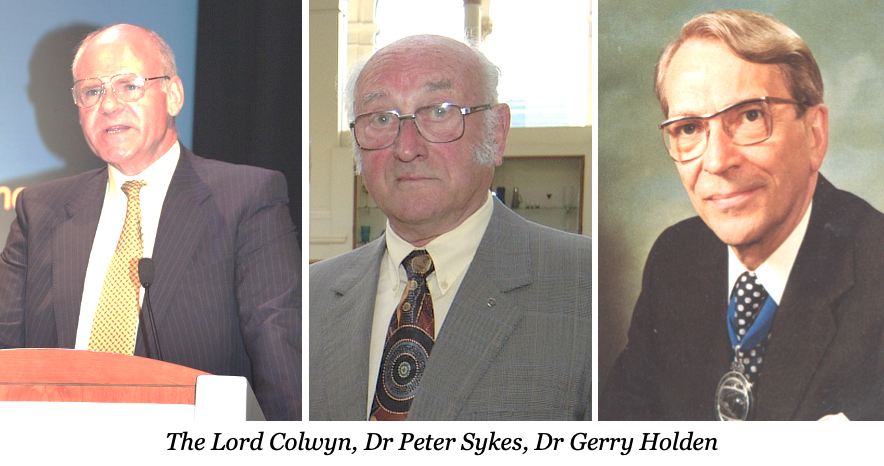
D-J remained editor of Digest until his death at the end of 1975 (the first issue of Volume 3, which was published in January 1976, carried a reprint of his Times obituary). After D-J’s death Peter Sykes was appointed as editor; he was succeeded in 1991 by Douglas Stewart, who in turn was succeeded in 1994 by Andrea Wraith.
11 issues of Digest were published per year until 1988, when issues 11 and 12 were combined. Thereafter, the number of issues was reduced to four then two per year, until in 2006 it was decided that a single issue of Digest would be published annually.
The introduction of the SAAD Newsletter came in 2003, when Digest was still being published four times a year. This schedule was proving too demanding and so Digest became a Spring and Autumn publication, with the Newsletter appearing in Winter and Summer. The Summer Newsletter was subsequently replaced by an Autumn issue in 2014, meaning that news of the annual symposium could be brought to members in a timelier fashion. However, abstracts of presentations given on the day continued to appear in Digest.
The history of the publication to date was detailed by Nigel Robb in Digest Volume 30 (January 2014). This provided an opportunity to highlight several seminal papers that have appeared between its covers, including John Dundee about sexual fantasies in patients who had received intravenous benzodiazepines (1985 and 1989), and Whitwam and Hooper’s 1988 paper on the efficacy and safety of flumazenil.
As Nigel Robb observed, one of Digest’s more enduring features has been the ‘Journal Scan’ (or equivalent).
In March 1988 the equivalent section was entitled Sedation Abstracts. The first abstract in Volume 7, issue no. 2, is entitled “Sedation with Propofol.” The modest conclusion is “This paper seems to indicate that a study using propofol for dental sedation might prove to be valuable.” Throughout its history SAAD Digest has sought to bring innovation to the attention of SAAD’s membership and this modest review is a good example of this philosophy.
Traditionally SAAD's activities have been recorded in the society's journal, the SAAD Digest. Over the years the journal struggled to have impact as it was edited by an enthusiast or a coerced council member with courage but lacking journalistic or scientific skills. and it had to compete with a host of glossy dental journals. It became clear this was too much to expect of an individual alone. SAAD Digest was re-launched in 2006 as a well-produced and relevant journal created by an editorial team.
SAAD Digest in its current form was conceived of in 2005 following Andrea Wraith’s resignation in 2004. It was decided that, beginning in 2006, a single issue of Digest would be published annually (consequently, no SAAD Digests appeared in 2005). In 2005 an Editorial Board was also appointed for the first time in SAAD Digest’s history, meaning that articles submitted for publication would now be subject to peer review.
The first edition of the revised SAAD Digest appeared in May 2006. In his editorial, the new Editor, Nigel Robb, reflected on these changes.
“The SAAD Digest has been held in high regard for many years by those practising sedation. It has contained many seminal papers that are often quoted as the basis for different aspects of practice. However, the articles have never previously been subject to peer review. Adopting this process will enhance the reputation of the publication.”
The Editor also reiterated the mission of SAAD Digest ‘to inform and update on issues of interest to the SAAD membership, and to the wider community of those providing high-quality pain and anxiety control in dentistry.’
Included in this first edition of the new SAAD Digest were abstracts of presentations given at the 2005 Symposium, a report on the day, and an original article on mentoring by Derek Debuse. This latter was particularly welcomed by the Editor: ‘[mentoring] is fundamental to the teaching of sedation, as it provides a way of bridging the gap between the training provided by the SAAD sedation course and independent practice.’ This 22nd Volume of SAAD Digest also featured the Journal Scan along with reviews of articles in both medical and dental journals. One striking new development was the form of its cover, which was given over to a photomicrograph of a drug. This form of cover design would continue unbroken until 2017, when, to mark SAAD’s anniversary year, its cover featured a display of SAAD Digest in its previous incarnations.
SAAD Digest moved to its January publication slot in 2007 and, in the words of Nigel Robb, has since followed a path of ‘evolution rather than revolution’. However, there have been several noteworthy developments in its recent history including, from 2009, the inclusion of a ‘What’s New In…’ section that has provided members with information on the latest developments in areas from local anaesthesia to anxiety management without drugs. In 2014 this section was authored by Professor Enrico Facco, President of the European Federation for the Advancement of Anaesthesia in Dentistry and addressed hypnotherapy. This followed a series of three articles on acupuncture by Tom Thayer that appeared in Digest in 2001, illustrating the range of its coverage.
In 2013, the Journal Scan expanded to take in articles of interest from the psychology literature, a development which coincided with the appointment of health psychologist Jennifer Hare (Guy’s Hospital) to the editorial board. Another new development came in 2012 when the publication became available to members in electronic form.
In line with other journals, SAAD Digest began to offer a free, online verifiable Continuing Professional Development (CPD) scheme to members in 2013. Up to 4 CPD hours are currently available, awarded based on correct responses to multiple choice questions on referred papers appearing in Digest. As the Editor recently pointed out, the value of this scheme is considerable: ‘Since the IACSD endorsed the recommendations of the Independent Expert Group on Training and Standards for Sedation in Dentistry, all involved in the practice of sedation are required to complete 12 hours of verifiable CPD in each five-year cycle. The CPD available in Digest can make a significant contribution to achieving this target.’
The editorial of the 2016 SAAD Digest (Vol.32) was authored by SAAD’s new President Francis Collier, who highlighted the themes of his term of office: an ongoing commitment to improving the representational balance of SAAD’s Board; continuing recognition of the importance of, and support for, sedation services in primary care environments; and the promotion of conscious sedation within special care dentistry provision.
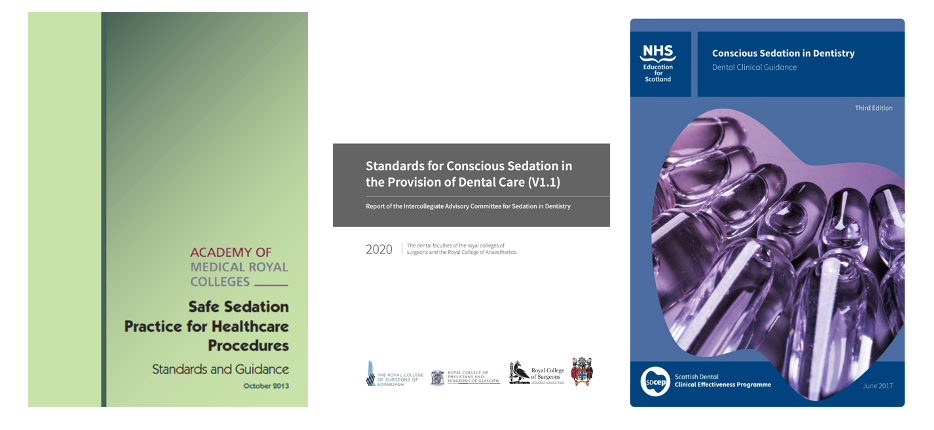
SAAD Digest in 2017 carried a total of five refereed papers, including an article on the use of capnography in sedation. Its significance was highlighted by the Editor, who reflected that: ‘The Academy of Medical Royal Colleges’ overarching document on Safe Sedation referred to capnography as a “Developmental Standard”. It is my view that within a few years these monitors are likely to replace pulse oximeters as the way of monitoring respiratory depression in sedated patients.’ Also included in this volume of Digest were a paper by the SAAD-funded PhD candidate Joe Hulin on ‘The Decisional Needs of Young Patients Faced with the Decision to Undergo Dental Treatment with Sedation or GA’, and essays by four winners and runners-up of SAAD essay prizes.
Nigel Robb says:
‘SAAD Digest remains as one of the main tangible benefits that members receive from SAAD. It continues to evolve with the society.
The editorial board has members from dental, medical and psychological backgrounds, covering primary secondary and tertiary care environments. As we move forward to the next 60 years of SAAD, Digest will continue to be proactive in seeking publications of interest to the membership and being a force for the advancement of the care of patients who have difficulty accessing dental care under local anaesthesia and advancing pain and anxiety control in dentistry.’