Please click on the tables and figures to enlarge


Clinical audit on the quality of written consent for inhalation sedation


R. Corden*1 NEBDN National Diploma Dental Nursing and NEBDN Award in Intravenous Sedation Nursing
1Dental Nurse, Barnstaple NHS Dental Access Centre, Barnstaple Health Centre, Vicarage Street, Barnstaple, Devon, EX32 7BH
*Correspondence to: Rebecca Corden
Email: r.corden@nhs.net
Corden R. Clinical audit on the quality of written consent for inhalation sedation SAAD Dig. 2025: 41(I): 62-65


Abstract


Valid written consent is mandatory for all dental treatment that is carried out under conscious sedation. Clinical teams have a duty to evidence that valid consent was obtained via appropriate discussion with patients or their legal guardians. Good quality clinical records are vital to show that appropriate discussions have been undertaken and to aid in future clarity should queries arise from patients or their legal guardians. This loop-closure audit focuses on whether written consent forms were correctly and accurately completed prior to treatment being carried out under inhalation sedation within salaried dental services at Royal Devon University Healthcare NHS Foundation Trust and covers both Exeter Dental Access Centre and Barnstaple Dental Access Centre. It shows that there was a substantial improvement in accurately completed written consent forms, after an action plan was created and discussion at the Joint Service Meeting, from 43% to 90% between the initial audit and re-audit.


Key learning points


  • To measure the accuracy of written consent for conscious sedation technique using inhalation sedation
  • To acknowledge the importance of recording informed consent as per GDC’s standards
  • To identify key elements of consent from the record keeping point of view.

Introduction


The General Dental Council’s (GDC) ‘Standards for the Dental Team’ sets out the expectation around valid consent for all dental treatment. It states that valid written consent must be obtained and recorded for all patients treated under conscious sedation and/or general anaesthesia (Standards and their guidance 3.1.6).1 This document also states that sufficient details must be discussed during this process with enough time given for the patient to reach their own decision.

Guidance from dentolegal indemnity providers mention that enough information must be discussed with the patient or their legal guardian, and that the patient has a right to all the relevant information. The consent should be voluntary and informed and accurate written records must be kept of these discussions with the patient at the practice where conscious sedation is provided.2

Holden et al., have published a practical guide to gaining and recording consent for the dental team and the importance of this in avoiding complaints, litigation and improving patient autonomy.3

Finally, the Faculty of General Dental Practitioners (GDP) have set standards in their publication, ‘Clinical Exam and Record-keeping’, which include the need for valid written consent before treatment is undertaken under conscious sedation.4

This audit assessed whether correctly and accurately completed written consent is available for patients treated under conscious sedation using standard inhalation sedation technique at Exeter and Barnstaple Dental Access Centres. The primary benefit is to the patient, as any disparities or misunderstandings can be referred back to the written consent, by the patient or the dentist, on the fully completed consent form.


Aims


To measure the current standard of consent, regarding the provision of inhalation sedation, against the GDC’s Standards Principle three, with the aim of identifying any shortcomings, subsequent learning, and to action any necessary changes to pursue constant improvement.


Objectives


As per the GDC Standards Principle three, it was decided that all patients treated under conscious sedation should have written consent recorded in their clinical records, which should be fully and correctly completed with details of the patient and consenting dentist, details of the treatment proposed and use no abbreviations, as per the Trust’s consent forms used in the local department.


Method


This was a loop closure audit. The first cycle sample included 21 consecutive patients, both children and adults, treated under conscious sedation using inhalation sedation at both Exeter Dental Access Centre and Barnstaple Dental Access Centre in April 2023. Data was collected retrospectively by Rebecca Corden (dental nurse at Barnstaple Dental Access Centre) and Hiral Patel (senior dentist at Exeter and Barnstaple Dental Access Centres).

Written consent paperwork was examined closely and data were collected on the missing information identified:

  • Demographics: patient details, parent details (if appropriate), dentist details, age, date of birth, NHS number, signatures from patient or parent / guardian and clinician
  • Treatment details: Details of all proposed treatment correctly and accurately completed without abbreviations and including notation of teeth to be treated, risks and benefits discussion recorded in appropriate sections.

R4 dental software was checked to ascertain whether written consent was verbally confirmed on the day with the patient or parent / guardian.

Re-audit included 20 consecutive patients (10 from each of the Dental Access Centres) between November and December 2023. Rebecca Corden and Hiral Patel undertook data collection at each of the above sites and analysed it as above. 


Results


For the 21 consecutive patients who were audited in April 2023, undergoing inhalation sedation:

One hundred percent of patients included in the audit had written consent available. These are from 1 or 2 consent forms and are kept in the patient files.

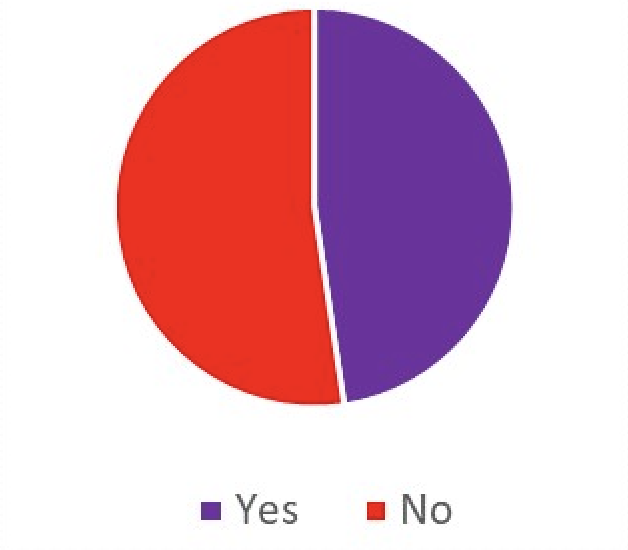
Forty three percent (9/21) of patients had consent forms correctly and accurately completed with no omissions of treatment details or demographics. Fifty three percent (12/21) of patients had missing information in the written consent form.

One hundred percent of patients included in this audit had a note on R4 record that consent was confirmed on the day with the patient or parent / guardian. R4 is our system where all patient notes are kept, these notes are made contemporaneously and accurately at the time of the appointment. 

One hundred percent of patients had consent forms that had fully listed the risks and benefits of the treatment to be completed.

411 E2 Fig 1 NEW

Fig. 1  Consent forms correctly and fully filled out

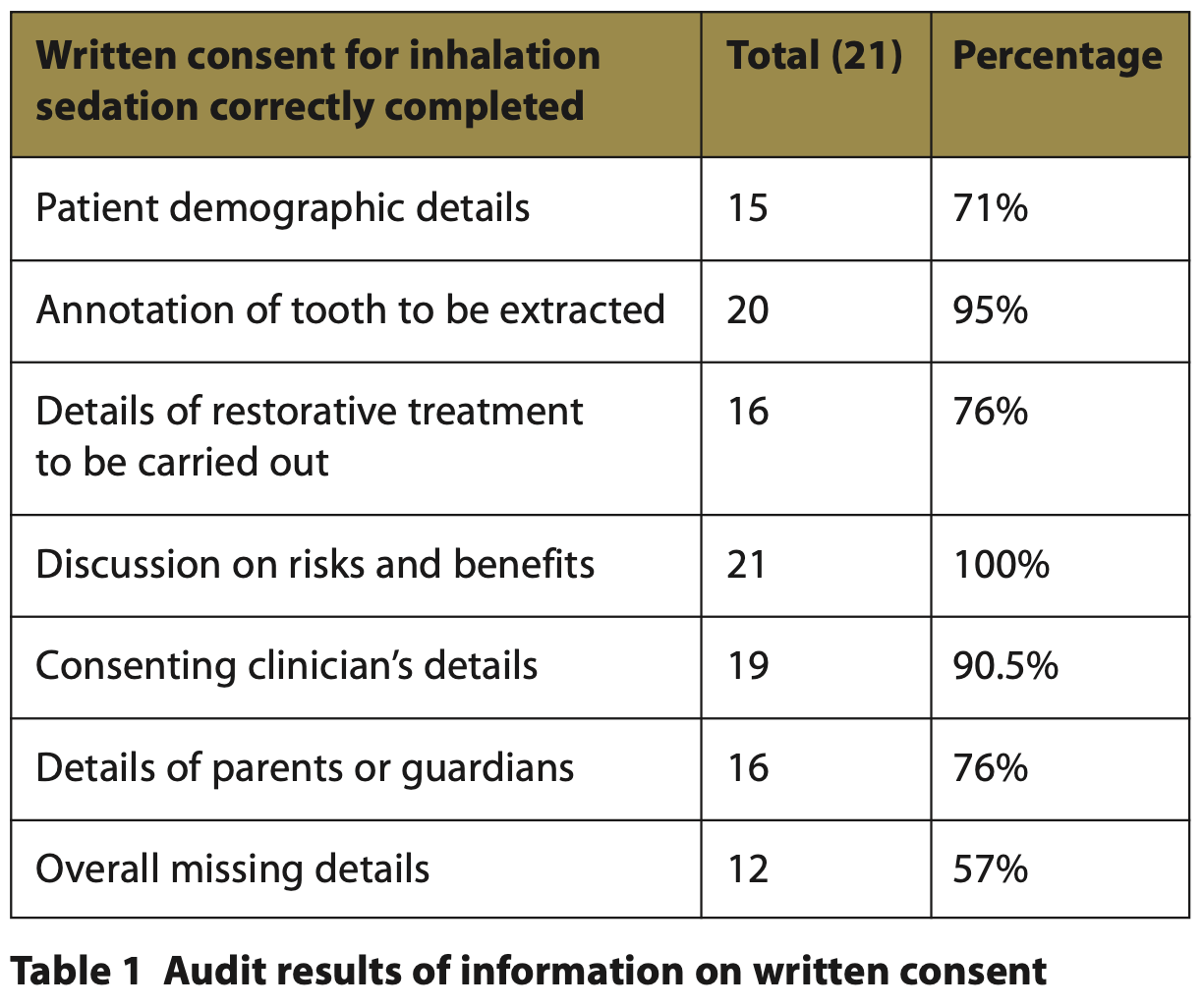
The omissions identified in written consent forms included demographics such as clinicians’ titles, patient NHS number, patient gender, the date the consent was signed by the patient or parent / guardian and names of parent / guardian where appropriate.

Some forms also had omissions of treatment details. Examples: treatment proposed would be filled with generic information such as ‘fillings’ without notations of which teeth were to be filled.

6/21 (29%) of the written consent forms were filled without the NHS numbers.

5/21 (24%) of the written consent forms were filled without the parent’s / guardian’s details (their signature was present but no names or date of signature).

1/21 (5%) of patients had a missing annotation of the tooth to be extracted.

5/21 (24%) of the treatment details for the fillings in the teeth were missing, such as the annotations of the teeth to be filled.

411 E2 Table 1

All written consent forms had completed the risks and benefits sections.


Discussion


The results of this audit show that written consent was always obtained for all persons with capacity or from their parents / legal guardians, undergoing dental treatment with conscious sedation. 

However, the quality of record keeping around written consent could be improved in at least half of the records identified in this audit. The areas of improvement identified in at least a quarter of records assessed in this audit were inadequate demographic details of both patients and clinicians. More significantly, details of treatment proposed with the individual tooth annotation was also omitted in just under a third of the records assessed.

The missing demographic details can lead to problems with patient identification and parts of records can potentially be misfiled or go missing. (Written consent at the time of the audit was still in paper records with the rest of the dental record being on the R4 system). In areas where a parent / guardian has signed a record but not placed their name under the signature, difficulties may arise in identifying that individual at a later date. The missing details of the treatment may pose a more significant problem around patient information - a patient may be able to claim that they were not given full information of the proposed treatment under sedation, rendering their consent invalid.

Recommendation

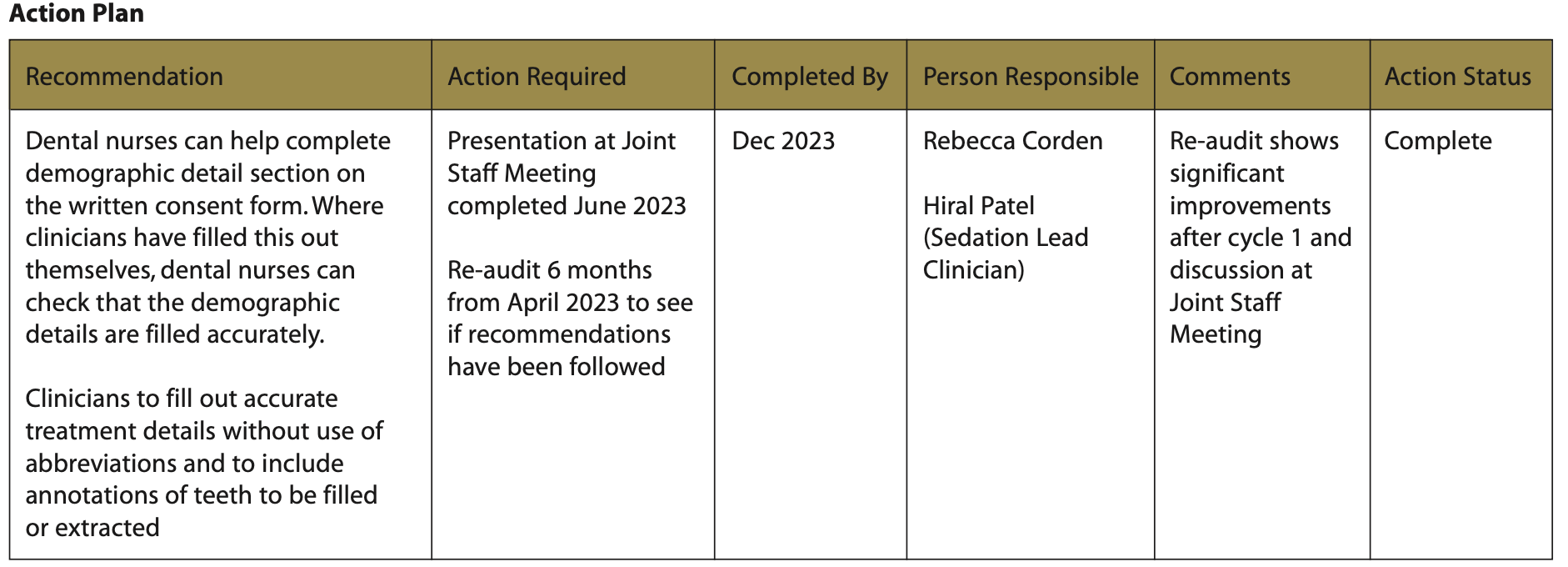
  • Presentation at Joint Staff Meeting to ensure all sedation staff are aware of the results of the audit and the recommended changes going forward
  • Dental nurses can help complete the demographic detail section on the written consent form. Where clinicians have filled this out themselves, dental nurses can check that the demographic details are filled accurately
  • Clinicians to fill out accurate treatment details without the use of abbreviations and to include annotations of the teeth to be filled or extracted
  • Re-audit to check that above interventions have been successful.

This audit was presented at the local Joint Staff Meeting attended by the clinical team (clinicians and nurses) and the above findings were discussed (Monday, 5 June 2023).

411 E2 Action plan

Re-audit findings

The re-audit was conducted between November 2023 and December 2023, six months after the initial audit to identify that the changes implemented in the action plan were effective. Patients that were included in the re-audit were from Barnstaple Dental Access Centre and Exeter Dental Access Centre.

411 E2 Fig 2 NEW

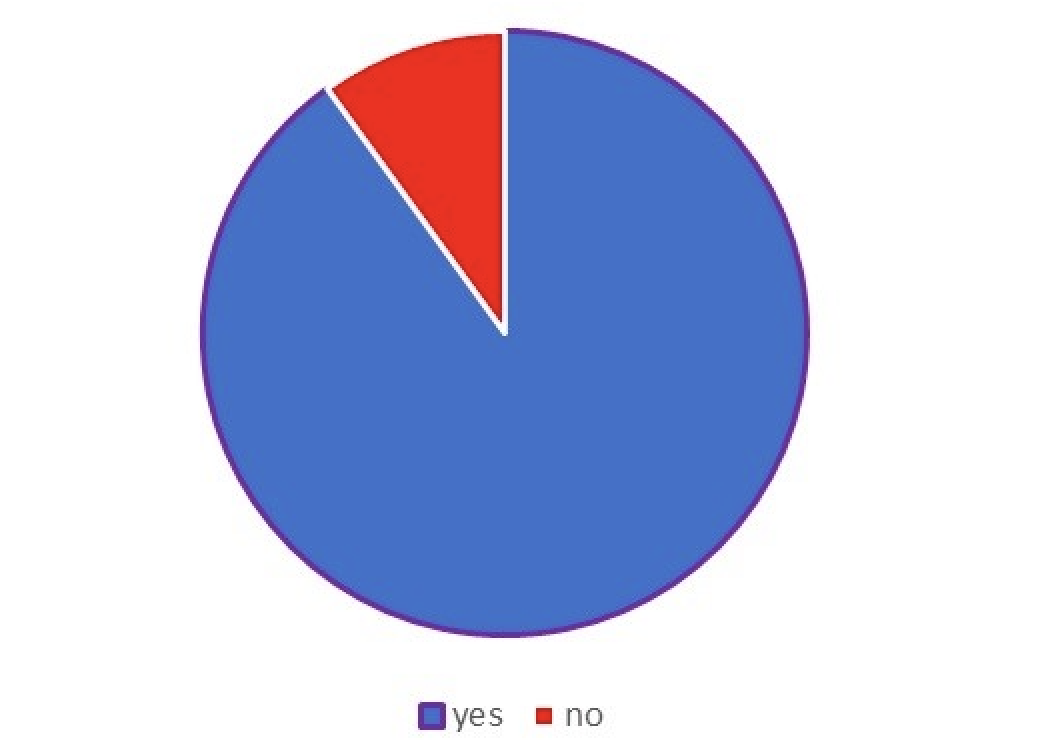
Fig. 2  Re-audit consent forms correctly and fully completed


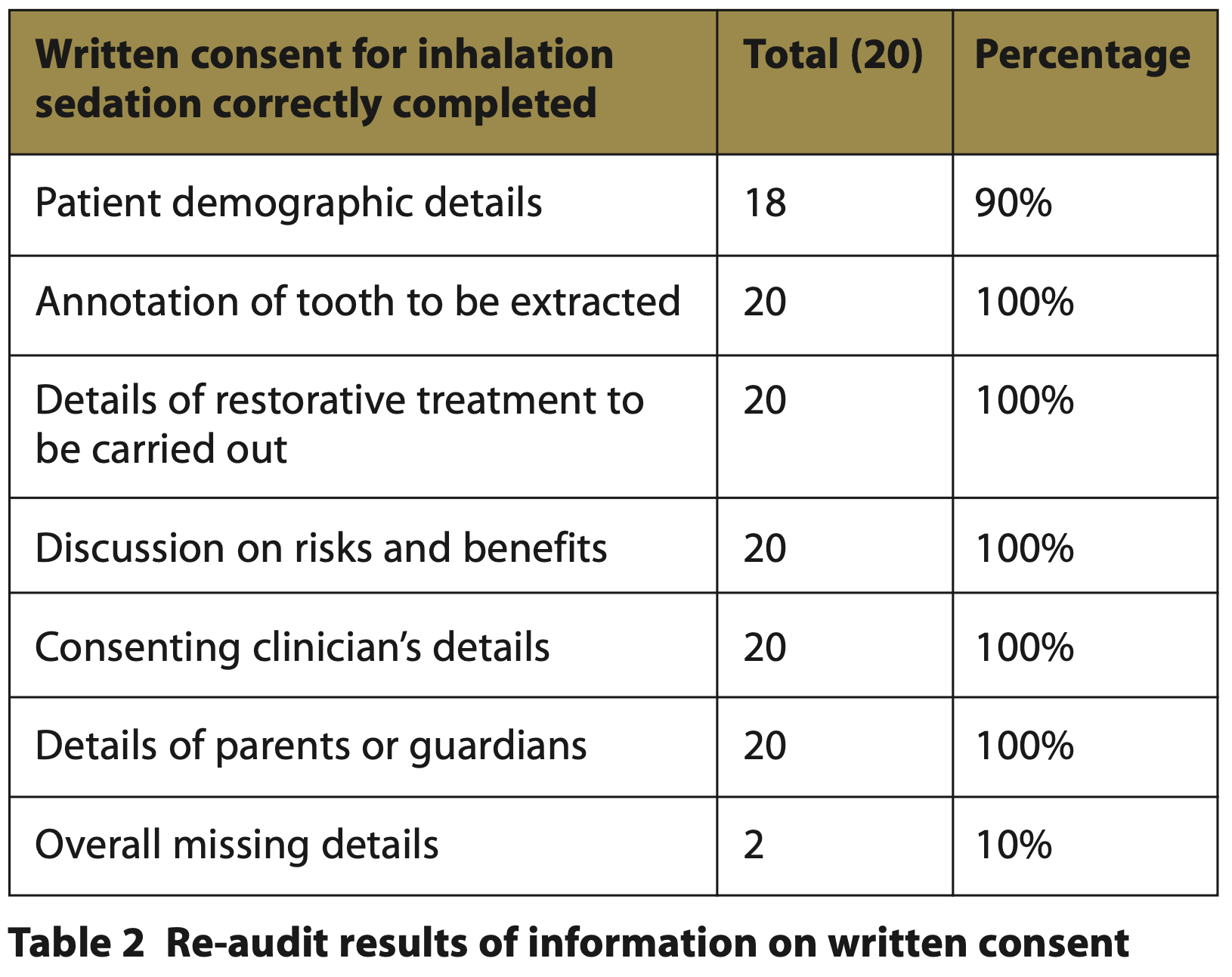
411 E2 Table 2

The results of the re-audit show there has been a significant improvement in record keeping after discussion at the Joint Service Meeting. 

All 20 patients (100%) included in this audit had completed written consent documentation in their records.

One hundred percent of patients had correct, accurate patient details, parent / guardian details where appropriate, and clinicians’ details.

One hundred percent of patient consent forms had accurate treatment details including annotations of the teeth to be treated.

Ninety percent (18/20) of patients had accurately completed consent forms with no omissions.

Ten percent (2/20) of patients had a small omission of NHS number on the consent forms with the rest of the details correctly completed.

In both the audit and re-audit, the full risks and benefits of the treatments that were to be carried out were recorded on the written consent forms.

Limitations of the study:

  • No data was collected on the mental capacity assessment or best interest decision making for patients who were deemed to lack capacity to consent
  • No data was collected on other forms of sedation such as IV sedation (as the majority of patients receiving treatment under IV sedation during the time were also lacking capacity to consent)
  • Written consent is not always an accurate representation of the discussion of consent with the patient. This study is a retrospective audit and is not able to comment on the clinical discussion with patients in the process of valid consent. A peer review session may be able to provide better insight into the quality of discussion around consent. However, conducting such audits leads to increased awareness in the team and better record keeping.

Conclusion


Re-audit of this project shows significant improvement in the documentation of written consent for patients treated under inhalation sedation. Overall, the records had no omissions of treatment proposed, clinicians’ details, dates and signatures. A small omission of the patient’s NHS number was identified in two records and will be discussed at the next Joint Staff Meeting.

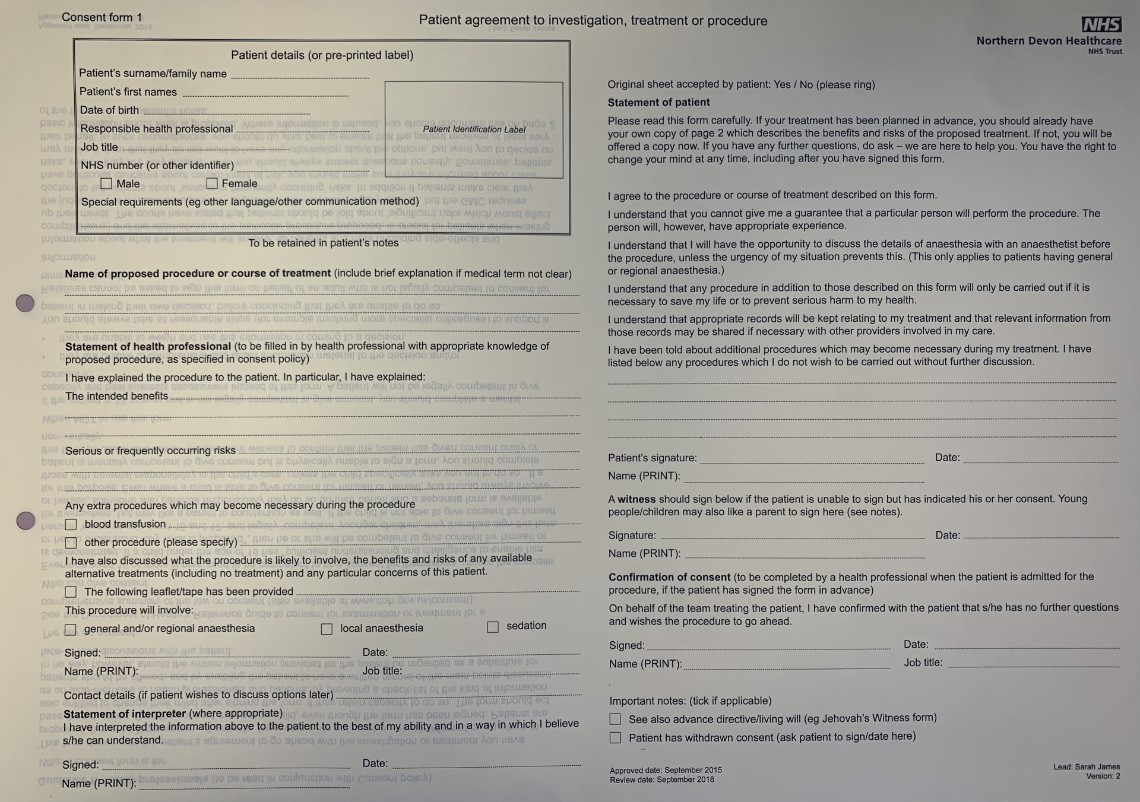
Fig.3 Consent form sample Adult

Fig. 3  Consent form sample: adult

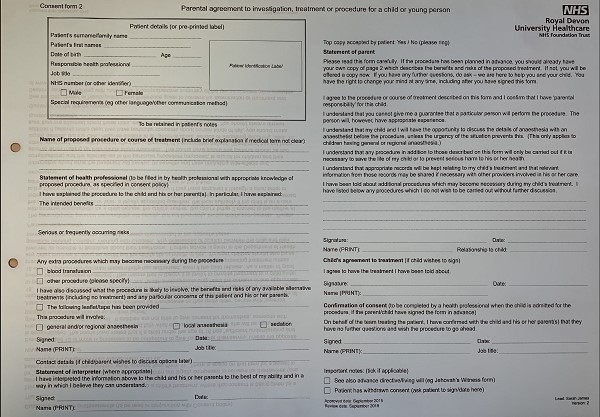
411 E2 Fig 4

Fig. 4  Consent form sample: child


References


1. General Dental Council. Standards for the dental team. 2013. Online information available at: https://standards.gdc-uk.org/ (accessed Jan 2024)

2. Dental Defence Union. Guide to consent to dental treatment. 2022. Online information available at: https://www.theddu.com/guidance-and-advice/guides/quick-guide-to-consent (accessed Jan 2024)

3. Holden A C. Gaining and recording consent: a practical guide for the dental team. Prim Dent J. 2015; 4: 54-9. DOI: 10.1177/205016841500400119

4. Faculty of General Dental Practice (UK). Clinical Examination & Record-Keeping: Good Practice Guidelines. 2nd ed. London: FGDP(UK); 2009.


 Interview with Yi Loo
President of SAAD
Manni Deol (Honorary Secretary)


How long have you been connected with SAAD?
My first introduction to SAAD was in 2009 when I was working as part of a wonderful sedation team under the guidance of Paul Averley. He was a SAAD Trustee and pioneer in primary care-based research in paediatric conscious sedation. Shortly after this, I became the first SAAD member to join the society online and was elected to the Board of Trustees in 2015.

Since that first Board meeting, I have had the true privilege of contributing to SAAD’s charitable aims, not only through the Board of Trustees but also through the Training Board, the Teaching Faculty and as Assistant Editor of the Digest. The projects over the years have resulted in many close collaborations with the dedicated people on the SAAD Board of Trustees, Editorial Board, Training Board and Faculty who are truly an inspirational group of people, committed to excellence in our field.

It has been humbling and inspirational to meet and work with so many established sedationists from all round the UK whilst at the same time helping to guide those starting out on their sedation journey through the SAAD course. This has really driven home the importance of sedation for our patients and the privilege it is to be leading an organisation which supports so many caring and professional people.

Had you always wanted to be a dentist?
My first dream job was to become a vet. I was inspired by James Herriot’s incredibly humorous depictions of life as a country vet and was captivated by his compassion and the genuine care he showed for animals and their owners. As I read and chuckled along to Herriot's stories, he made me appreciate the unique bond between a caregiver and their patients and that sense of connection and empathy became a driving force for me. Over time, however, I realised I would be utterly hopeless in the fields of modern Yorkshire as a born and bred Londoner and that dentistry would allow me to bring that same level of dedication and care to people in a hands- on, meaningful way. Dentistry has turned out to be the perfect path for me, but I suspect that Herriot’s influence is still close to my heart!

What would your alternative dream job be?
For a long time, I envisioned life as an architect, driven by the idea of creating spaces inspired by the many that I love: the Getty Museum in Los Angeles, Penang’s Peranakan Mansion and far too many incredible buildings and spaces in London to list now. They each induce calm and invite their visitors to spend time and think beyond the immediate vistas. In many ways, it is an extension of what we do as dentists. We create environments that bring people together from different backgrounds and perspectives, to ground us and help us to make meaningful impacts in daily experiences.

Where was your last holiday?
We were very fortunate to have a family holiday to Greece in the October half term. It was a real treat to savour those last rays of sunshine before we headed into the Christmas countdown.

Which dental school did you attend and when?
I spent five incredible years in ‘the Toon’ as a dental student at Newcastle University from 2002 to 2007.

How much sedation, pain and anxiety management were you taught at that time?
I was very fortunate to train in a dental hospital with such a brilliant reputation and passion for patient care and sedation. John Meechan was, at the time, carrying out trials on willing students, such as my housemates. He was comparing lidocaine with what was the new kid on the block, articaine, so the concept of advancing analgesia was being nurtured from the outset of my dental education. From him, however, I learnt that the real skill in helping dentally anxious patients was not the drugs, but compassion and care...and a shared dedication to supporting Newcastle United!

After gaining my BDS, I completed further House Officer jobs in departments such as oral surgery, sedation and paediatric dentistry. This is where I delivered my first dental treatments under inhalation and intravenous sedation and gained an awareness of the work of the sedation department, the basis of my experience prior to completing the Diploma in Conscious Sedation at the University of Newcastle upon Tyne.

What is your favourite food?
My favourite foods are a mix of nostalgia and comfort. I have a soft spot for homemade Chinese dishes from my childhood: flavours and textures that bring back memories of family meals and traditions. Then there’s apple crumble, which has been a favourite ever since my very first cooking class as a 7-year-old; learning to make it sparked my love for that warm, cosy feeling that comes with eating it. And, of course, I can’t resist a good scoop of gelato, specifically liquorice gelato, something I’ll happily enjoy any time!

Who or what were the main influences which led you towards an interest in sedation?
The first time I truly saw the therapeutic power of sedation was when I shadowed Kathy Wilson at a community clinic in Tyneside as an undergraduate. It was like watching David Copperfield at work. Her skill was more than evident as she coaxed a man through his dental treatment under inhalation sedation with such apparent ease. I now realise that it was made to look a lot easier thanks to her incredible skills in patient management.

After this, I was fortunate to work under the guidance of Paul Averley and his team providing sedation for adults and children who were referred from throughout Teesside and County Durham. Unbeknownst to me at the time, Paul was instrumental in helping to design the initial SAAD Safe Sedation Practice Scheme, the SAAD quality assurance programme to benchmark sedation services. He was also working with bodies such as the Standing Dental Advisory Committee and the National Institute of Health and Care Excellence (NICE) to develop national guidance alongside his pioneering work in primary care sedation research. I was immersed in a ‘lived and breathed’ translation of the sedation guidance of the day, surrounded by innovation and a large, skilled, sedation team with one goal in mind: delivery of safe, efficient dental care under sedation.

In what way did your sedation training change your career and clinical practice?
My initial sedation training and Diploma in Conscious Sedation helped me secure a post providing oral, inhalation and intravenous sedation for children at King’s College Dental Institute, London. Alongside other roles as a clinical tutor and general dental practice associate positions, I learnt the importance of really listening to children’s experiences alongside those of their patients to try to unpick their concerns and expectations.

The clinics treated the full diaspora of children who live in London, many with high levels of socio-economic deprivation, and complex psycho-social and / or dental needs. I soon learnt how to appropriately assess medically unwell patients and it honed many oral surgery skills.

The need for sedation touches children from every corner of society. I gain such satisfaction from trying to understand each child’s journey and take joy in helping to build a solid foundation for future oral health care, so much so, that I then decided to take on specialty training and became a specialist in paediatric dentistry.

What changes do you intend to make at SAAD over the next three years?
Dentistry in the UK is constantly evolving with innovations across the sector resulting in a highly dynamic dental landscape. Although technology and societal changes reinforce some of the movements, I hope to ensure that SAAD continues to support existing members whilst meeting the needs of the new generation of dentists. The Society has some fantastic initiatives which we will continue to encourage and develop. We will promote innovation and research, not just by those in established research centres, and hope to inspire more dentists and their teams to add sedation and further anxiety management skills to their skillset.

Alongside this, I intend to grow SAAD’s reputation as the leader in sedation, pain and anxiety management and ensure that it continues to be respected as the voice of reasoned, evidenced and unbiased sedation advice. 

You seem to have had a varied and interesting career in dentistry. Can you tell me which has been your favourite job or role?
I have a lot of admiration for various people in different roles. However, one aspect that stands out is watching team members grow and develop. I particularly enjoy seeing the progress of those you've trained, like dental nurses or other dentists, as they advance in their skills and careers.

Do you have any regrets?
I try to learn from the past and not dwell and regret!

What one thing do you think would improve NHS dentistry?
Improving NHS dentistry is a complex challenge, but one impactful change could be increasing funding and resources to allow for more comprehensive and preventive care under sedation. 

What is an average week like for you at the moment?
Each week brings consistent variety. I currently work at Guy’s and St Thomas’ Hospital and St George’s Hospital providing consultations for referred patients, treatment under sedation and general anaesthetic and much more!

What about interests outside of dentistry?
Outside of dentistry, my life is all about family and friends, exploring and staying active. I love spending quality time with my husband and our two boys: they keep me grounded and always on my toes! We’re big on making memories together, whether it's exploring new places or simply enjoying family time. I’m also energised by playing netball; it’s a great way to stay fit, unwind, and embrace a little competitive spirit with some fellow mums and old friends.

What is your guilty pleasure?
I do enjoy savouring a good quality hot chocolate on a cold day or singing along to the Les Misérables (original London cast recording) to dust off the cobwebs! There is something so powerful about the story and the interpretation of the score which produces shivers despite having listened to it countless times.

What three pieces of advice would you give a young dentist with an interest in sedation?
Firstly, I would recommend joining SAAD to access the membership perks such as access to our webinars and the Digest.

Secondly, attend a SAAD course to meet sedationists from a range of dental backgrounds and other delegates who may be in the same position as you.

Finally, the old adage of practice makes perfect! Find what works for you!

What is the most important lesson life has taught you?
I think one of the most important lessons is to embrace the beauty and promise of what’s around us, to appreciate the present and not just hope for what is beyond us. It’s wonderful to dream big, to look to the horizon and imagine new possibilities; just like watching the sunrise and sunset and wondering about the lands that lie beyond it. But even more meaningful is savouring the view right under our noses: the sand, the sea and the beauty in the people around us. Make time for true compassion, show moral integrity and consider others’ perspectives. That is what brings real fulfilment.


RL photo


 Ronan Lee


Dentistry has been a winding journey for me, one that started with challenges but has led to an incredibly fulfilling career. Initially my path wasn’t the smoothest, having been rejected from dental school due to my A-levels, so I spent three years at the University of Nottingham before reapplying successfully onto the graduate entry programme at King’s College London and qualifying in 2022.

During my time at King’s, I was honoured to win several awards including the Jose Souyave Prize and the Peter Lunt Prize. However, it was the Harry Radin Prize for Special Care Dentistry that sparked my interest in working with anxious patients and conscious sedation.

After my foundation training, I completed a Dental Core Training (DCT) post at the Royal London Dental Hospital. During this time my interest for managing complex cases through conscious sedation flourished thanks to the incredible mentorship I received from colleagues in the Special Care Department. I went on to gain accreditation in both intravenous and inhalation sedation techniques. I also undertook a sustainability quality improvement project aimed at raising awareness of the environmental impact of nitrous oxide and more environmentally-friendly techniques. Presenting my findings at several national conferences was both rewarding and eye-opening, and I was fortunate enough to go on to win SAAD’s Drummond Jackson Essay Prize as a result of this work.

In my practice, I incorporate sustainable sedation techniques whenever possible. From non-pharmacological methods such as theta waves and calming scents to reduce anxiety, to reducing reliance on nitrous oxide, I work to ensure that my approach balances effective patient care with environmental responsibility.

I currently divide my time between Leicester Square Dental Clinic and The Park Dental Practice in Stanmore, providing general dental services. Alongside my clinical practice, I am pursuing an MSc in Implant Dentistry at Eastman Dental Hospital, while also offering peripatetic sedation services.

Beyond clinical work, I am passionate about giving back to the dental community. As a trustee for the Tom Bereznicki Dental Education Foundation, I am focused on supporting the growth of newly qualified dentists.

As a new Trustee at SAAD, I’m excited to bring new ideas, particularly in making the charity more accessible to younger professionals. I know first-hand how impactful sedation can be for anxious patients, and I believe that with the right mentorship and education,more young dentists can incorporate this invaluable skill into their practice.

Outside of dentistry, I am training for the Bologna and London Landmarks Half Marathons. Cooking is another passion of mine, and I love sharing my food on Instagram under the handle @ronanleefoodie.


SCR photo


Simon Chaplin-Rogers


I qualified in December 1979 at University College Hospital Medical and Dental School (UCHMS). Post qualification there followed six months as a Dental House Surgeon at UCH, before being awarded a medical place qualifying in Medicine in 1984. Then followed a medical rotation training for the next five years, my last year being as an SHO /Registrar in anaesthetics / intensive care based on the Middlesex Hospital rotation.

In 1990 I moved from London to join a medical partnership in Hampshire, working three and a half days a week as a general medical practitioner (GP) and one and a half days in Putney, London as a general dental practitioner (GDP) with a special interest in sedation. As a GP in the early years, I maintained my interest in medical anaesthetics, working with Hampshire Ambulance in the scheme then known as BASICS (British Association of Immediate Scheme Doctors) assisting ambulance teams at trauma and big incidents. This has been superseded by the paramedic teams that we see today plus more formally trained trauma anaesthetists.

Then followed a period of a year’s attachment to the Eastman Dental Hospital before purchasing and forming a dental partnership group and developing two sites in Winchester. It was an NHS dental practice, a teaching practice and provided private care. I was one of the Vocational Trainee trainers, sedation teachers and providers of care. In the wider dental community, I served on the executive of the Hampshire, Dorset and Isle of Wight Local Dental Committee, including periods as vice Chair and Chairman and still do have a special interest in supporting colleagues and practices in difficulty. In 2015 I undertook the diploma course in conscious sedation course run by Newcastle Hospital: this was a time to undertake a focussed revision period in this aspect of care.

On the medical side, I went on to become the senior partner of the medical practice based on two sites in Chandlers Ford, Hampshire. We were an eight partner practice looking after 17,000 patients. I retired from the practice in May 2022 and now work as a GP advisor to urgent care services in University Hospitals Dorset (Royal Bournemouth, Poole, Christchurch Hospitals).

I have always worked in large dental and medical partnerships and have found them rewarding both in clinical focus and peer engagement, the ‘support’ around the many business issues is invaluable: especially now in these challenging times as demand and expectations have to be met.

With that passion around partnership in mind, over the past four years we have started to build up a group of partnership-led practices. We number twelve practices with a staff of 56 GDPs, 32 hygienists and therapists, 200+ reception and nursing team. We have an active sedation training programme across all the practices.

On a personal note, I was born in April 1955, am married with four, now adult, children and we have a smallholding farm that is a hobby and a carry on of ‘The Good Life’.

I hope I can bring to the role of Trustee a business-based clinician with a broad experience of primary care provision of service. I would like to describe myself as someone who comes to the ‘table’ with solutions not problems and is always thinking ‘where do we need to be in five years?’


SF photo


Stephanie Fenesan


My journey into dentistry began at King’s College London, from where I graduated in 2012. It was here that I first got hands-on experience with conscious sedation, particularly in the paediatric and special care dentistry departments. I loved these early opportunities to connect with patients and help ease their anxiety, setting the foundation for my career.

After graduating, I moved to the beautiful south coast to complete my dental foundation training. I then spent two years in Dental Core Training, focusing on special care dentistry and oral and maxillofacial surgery. This period was incredibly rewarding as I provided a wide range of care for patients with additional needs. Each patient brought a unique set of challenges and I enjoyed the unique problem-solving skills needed to formulate individual, tailored treatment plans for providing their dental care. The variety of patients and range of dental treatments we provide in this field keep my work exciting and engaging.

In 2019, I started specialty training in special care dentistry at Guy’s and St Thomas’ Hospitals. This experience allowed me to deepen my knowledge of conscious sedation techniques and during this time I completed my master’s at King’s College London. My thesis, which was a systematic review on intravenous sedation with midazolam, not only enhanced my understanding of evidence-based practice but also highlighted the importance of continual learning in our field.

I currently work in the special care dental service across London and Hertfordshire, where I have the privilege of caring for a diverse range of patients from those with dental anxiety to individuals with learning disabilities and complex medical conditions. Each day presents new challenges, and I enjoy the sense of achievement that comes from overcoming them. Knowing that I can make a positive difference in someone’s dental experience is incredibly rewarding. 

In addition to my clinical work, I mentor new starters providing sedation and am a clinical supervisor for specialty trainees. Being involved in teaching has reinforced my commitment to providing high-quality care while also ensuring that the next generation of dental professionals is well equipped with the knowledge and skills they need to provide safe and effective dental care. Teaching keeps me connected to the evolving landscape of dentistry.

Outside of work, I enjoy spending time with my husband and our two young children. We love exploring together, and my daughter’s recent fascination with the Tudors has led us to visit the Tower of London multiple times this year! Each visit turns into a mini-history lesson, complete with tales of weddings and beheadings.


RK


Richard Kerr


I am a Londoner originally and trained at United Medical and Dental Schools of Guy's and St Thomas' Hospitals (UMDS) qualifying many years ago.

I relocated to beautiful Devon shortly after qualifying and started my career in oral surgery. I have practised intravenous (IV) sedation for many years in both primary and secondary care oral surgery settings, having started my training in sedation with SAAD.

I am an Associate Specialist in the department of Oral & Maxillofacial Surgery (OMFS) at the Royal Devon University Hospital. I also have a primary care oral surgery (OS) contract and work in a local dental practice.

Despite being exempt from the new requirements to practice sedation, I decided to undertake a diploma in conscious sedation at Newcastle dental hospital seven years ago: an excellent course that I would highly recommend.

I am a sedation supervisor for nurses and dentists training in sedation. I also teach sedation for the MSc Oral Surgery course run by the Peninsula Dental School.

I have recently been able to introduce an inhalational sedation service for patients in the OMFS unit. I am honoured to become a Trustee for SAAD.

Outside of work I am a keen runner and also trying to complete walking the southwest coast path.


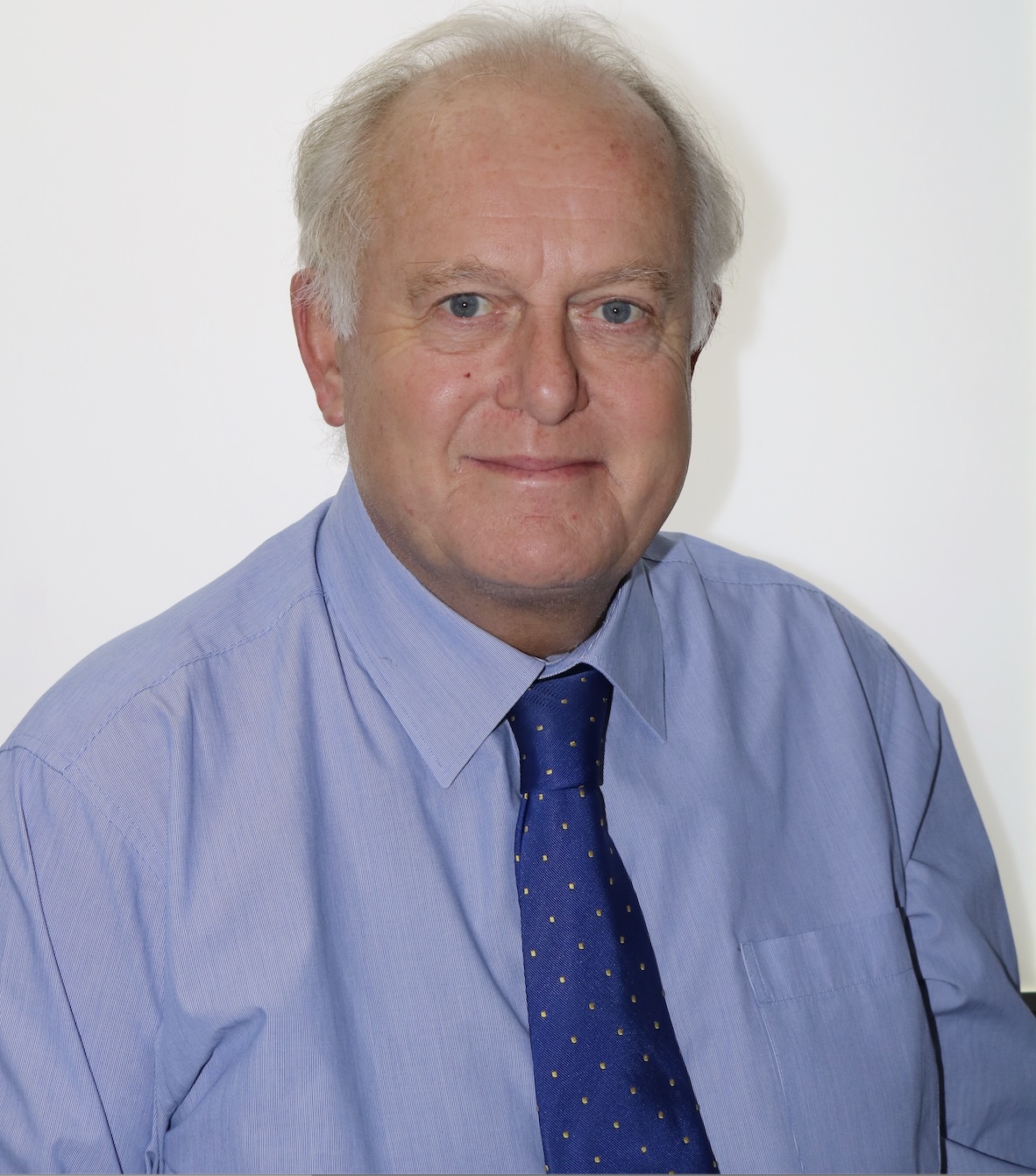
Lord Colwyn


 The Lord Colwyn
President of SAAD 1993 – 1998


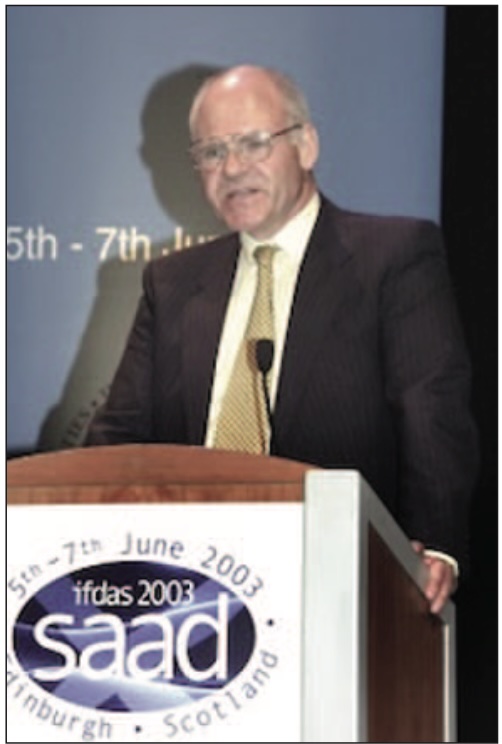
Lord Tony Colwyn was born Ian Anthony Hamilton-Smith on New Year’s Day 1942, the elder son of the second Baron Colwyn of Colwyn Bay. He went to school at Cheltenham College where he excelled at swimming and rugby. He did his dental training at Barts and the old Royal Dental Hospital. On graduation in 1966 he returned to Cheltenham and worked firstly as an associate and then in a successful partnership with Goeff Hind. However, he wished to return to London and for some years worked as an associate for Stanley Drummond-Jackson, the founding father of SAAD, in his Wimpole Street practice. While he was taught anaesthesia for dentistry at the Royal it was his time with ‘DJ’ that gave him both the enthusiasm and practical skills that would shape his future career. While with DJ he became involved with SAAD, as a tutor at the ‘big’ courses at Gower Street and with the administration of the Society. He was president of SAAD from 1993 to 1998. In 1983 Tony and I formed a partnership at 53 Wimpole Street. We had been friends for many years and on occasions worked together but the abolition of the operator / anaesthetist suggested an amalgamation of our two practices (I had taken on No 53 on the death of DJ in 1978). We enjoyed 20 years of a wonderful partnership and remained close friends in our retirement. Tony gave a great deal back to dentistry. He advised the GDC and the BDA when they sought advice on parliamentary matters. He was a non-executive director of the Medical Protection Society and later Chairman of Dental Protection from 1995 to 2001.

Tony inherited the title on his father’s death in 1966. From the first he was a conscientious and regular attender at the House of Lords.

He survived the Blair reforms of the upper house of 1999 and was one of 92 hereditary peers to retain their seats. He sat as a Conservative, served on numerous Lords’ committees and was elected Deputy Speaker in 2011. In 1989 he was appointed CBE for his services to Parliament. He continued to cycle to the House, after surgery in Wimpole Street and then from his home in Chelsea, until ill health forced his retirement in 2022.

From his youth he was an enthusiastic and talented jazz musician. At college he teamed up with Jim Beach to play and while Jim went on to manage Queen, Tony formed the 3B Band. It was hugely successful. They played society gigs, fancy weddings, hunt balls, the Albert Hall and the late Queen’s ruby anniversary party. And my 60th. He was a founder of Jazz FM radio with Johny Dankworth. He was a member of the Parliamentary jazz group with Ken Clarke and others. He always maintained the 3B Band made very little but they certainly had a whale of a time.

Sadly, Tony contracted Lewy body dementia some four years ago and died of complications on 4 August 2024. He is survived by his wonderful wife, Nicky, who cared for and nursed him at home; by his son, Craig, who inherits the title and by his beautiful daughters Jackie, Kirstie and Tanya. 

What a wonderful life. I will miss him. 

Ian Brett


Meg Skelly (1947 – 2025)

BDS (Hons), FDS RCPS (Glasgow), MDS, FDS RCS (England)


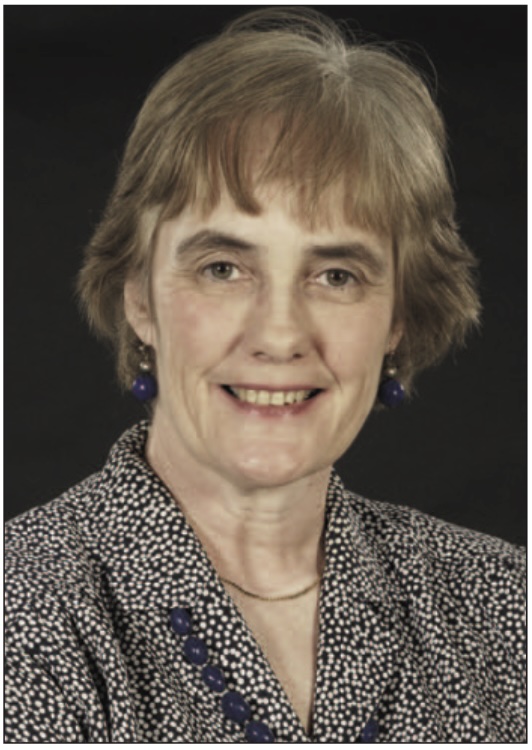
Meg Skelly


Ann Maureen (Meg) Skelly was born on 18 February 1947. Meg had considered becoming a dentist but instead began her career as a student nurse at St. Bartholomew’s Hospital in 1965. On qualifying, she undertook further training at the Radcliffe Infirmary in Oxford in anaesthetic nursing. Following a period in Canada and Norway, she returned to the UK and became an anaesthetic sister at Dulwich Hospital, London. This experience would later lead to her interest in dental sedation. In 1973 she became a dental student at Guy’s Hospital Dental School, eventually fulfilling her earlier interest in dentistry.

Following her graduation Meg held house officer, demonstrator and lecturer posts at Guy’s before being appointed as Senior Lecturer and Honorary Consultant in Dental Sedation. This was a groundbreaking appointment, supported by the Department of Anaesthetics, which led to the establishment of the UK's first Department of Sedation and Special Care Dentistry at United Medical and Dental Schools (UMDS) / Guy's Hospital in 1996.

Meg led the teaching of sedation techniques for dentistry in the UK. She was responsible for training thousands of dentists who went on to provide safe and effective care for large numbers of anxious patients. Many of Meg’s colleagues and trainees went on to establish novel training programmes in procedural sedation for dentists, doctors and nurses. Meg also made a significant contribution to sedation-related research and training published in peer-reviewed journals, book chapters and textbooks.

In addition to her clinical and teaching roles, Meg was Student Admissions Director at UMDS (later Guy’s King’s and St Thomas’ Dental Institute [GKT]) for ten years from 1996 and in 1992 she was elected President of Guy’s Hospital Dental Society. In 2007 GKT recognised Meg’s outstanding achievements by conferring upon her the Distinguished Service Award.

Meg was a conscientious, effective and popular head of department. She led her team by personal example and established excellent working relationships with colleagues in the hospital and school. Meg’s vision and high standards ensured that the department would continue to develop long after her retirement in 2007. Meg will also be remembered for her kindness, patience and mischievous sense of humour.

Meg died on 31 January 2025 at the age of 77, following a long illness. She will be greatly missed by her family and all those whose life she enriched.

David Craig
2 February 2025

Please click on the tables and figures to enlarge


Remimazolam compared to midazolam for dental sedation: an umbrella review


G. Shaw*1 BDS MSc (Oral Surgery) MFDS RCPS (Glasg) 
K. Taylor2 PhD FDS.RCS (Oral Surgery) FDS.RCS (Eng. and Ed.) BDS BSc (Hons) Dip Con Sed 
1Dental Surgeon, The Albion Clinic, Glasgow, G1 1RU 
2Professor of Oral Surgery, University of Central Lancashire, Preston, Lancashire, PR1 2HE 
Correspondence to: Graeme.shaw1@nhs.scot 
Shaw G, Taylor K. Remimazolam compared to midazolam for dental sedation: an umbrella review. SAAD Dig. 2024: 40(1): 3-8 


Abstract 


Remimazolam is a newly approved benzodiazepine drug used for intravenous sedation. Its efficacy and safety compared to the standard sedative drug, midazolam, have not been studied extensively, particularly in the dental setting. This study aims to compare the outcomes of remimazolam and midazolam for single-drug intravenous sedation and to discuss its potential use in dentistry. 

A search was conducted across six electronic databases for systematic reviews comparing the efficacy and safety of remimazolam and midazolam. Five systematic reviews were included from a total of 542 studies. The findings indicated that remimazolam may offer significant advantages over midazolam, including faster onset, higher procedure success rates, reduced need for rescue sedatives, shorter recovery time, improved cognitive recovery, and fewer instances of hypoxia. However, there were no significant findings regarding procedure completion or required sedation dosage. 

Overall, the evidence suggests that remimazolam has statistically significant benefits over midazolam for intravenous sedation. However, more clinical trials are needed to determine its suitability and clinical significance in dental practice. Further research is required to fully understand the potential advantages of remimazolam in the dental setting. 


Introduction 


Remimazolam is a promising benzodiazepine drug that offers potential advantages over midazolam for procedural sedation.1 With a similar structure and mode of action to midazolam, remimazolam claims to offer a faster onset, shorter duration of action, and faster recovery from sedation.2,3 It has a significantly shorter distribution half-life and terminal elimination half-life, resulting in a quicker recovery.3 Remimazolam demonstrates a comparable safety profile to midazolam, without an increased risk of respiratory depression, cardiovascular complications, or prolonged sedation.4 Additionally, it can be reversed using flumazenil, similar to midazolam.5 

Prolonged recovery from sedation with midazolam poses logistical challenges for clinics and patients, requiring escorts and extended supervision.6 If remimazolam allows for shorter recovery times and earlier discharge, it could increase patient throughput and convenience of intravenous sedation. 

Phase III trials have been completed, and regulatory approval has been obtained for remimazolam in the EU and the UK.10 While various trials have explored remimazolam's use in colonoscopy, gastroscopy, and bronchoscopy3 there is limited research on its potential use for dental procedures. In July 2022 the Scottish Medicines Consortium assessed remimazolam for use in NHS Scotland for colonoscopy and bronchoscopy procedures.11 This review found that remimazolam does indeed have certain advantages over midazolam, however, it was not approved for use within NHS Scotland due to the financial implications of using remimazolam compared to the more affordable midazolam. This does not, however, mean that it cannot be used in independent or private healthcare settings, which would include the majority of dental practices. 

The IACSD (Intercollegiate Advisory Committee on Sedation in Dentistry) released a statement indicating that practitioners experienced in midazolam use do not need additional supervised practice to administer remimazolam. They must familarise themselves with the pharmacology, dosing and indications together with an understanding of how these fit with the IACSD standards, which can be via CPD courses with appropriate aims and objectives.7 However, it outlines that until more substantial evidence becomes available, remimazolam should be used similarly to midazolam, with comparable requirements for escorts and restrictions on use in patients under 18. 

If remimazolam proves to be as safe and effective as midazolam with faster onset and recovery, it could offer an improved alternative for ambulatory dental surgery.8 Clinical trials suggest that remimazolam has a comparable safety profile to midazolam, with lower incidence of respiratory depression and hypotension.9 However, further research specifically focused on its dental application is needed. This umbrella review aims to comprehensively assess the evidence, identify gaps, and evaluate the efficacy and safety of remimazolam compared to midazolam in dental sedation. 


Method 


Eligibility criteria 
The eligibility criteria for inclusion in this study consisted of systematic reviews directly comparing remimazolam to midazolam in patients receiving intravenous procedural sedation, with, or without, meta-analysis. Studies that compared remimazolam to midazolam as well as placebo or other sedatives such as propofol were also included. 

Excluded from the study were articles published as abstracts, editorials, letters, notes, opinions, posters, conference articles, methods, protocols or articles with unavailable full texts. There was no time restriction placed on the included articles due to the recent development and introduction of remimazolam. Duplicate publications and articles in languages other than English were also excluded. 

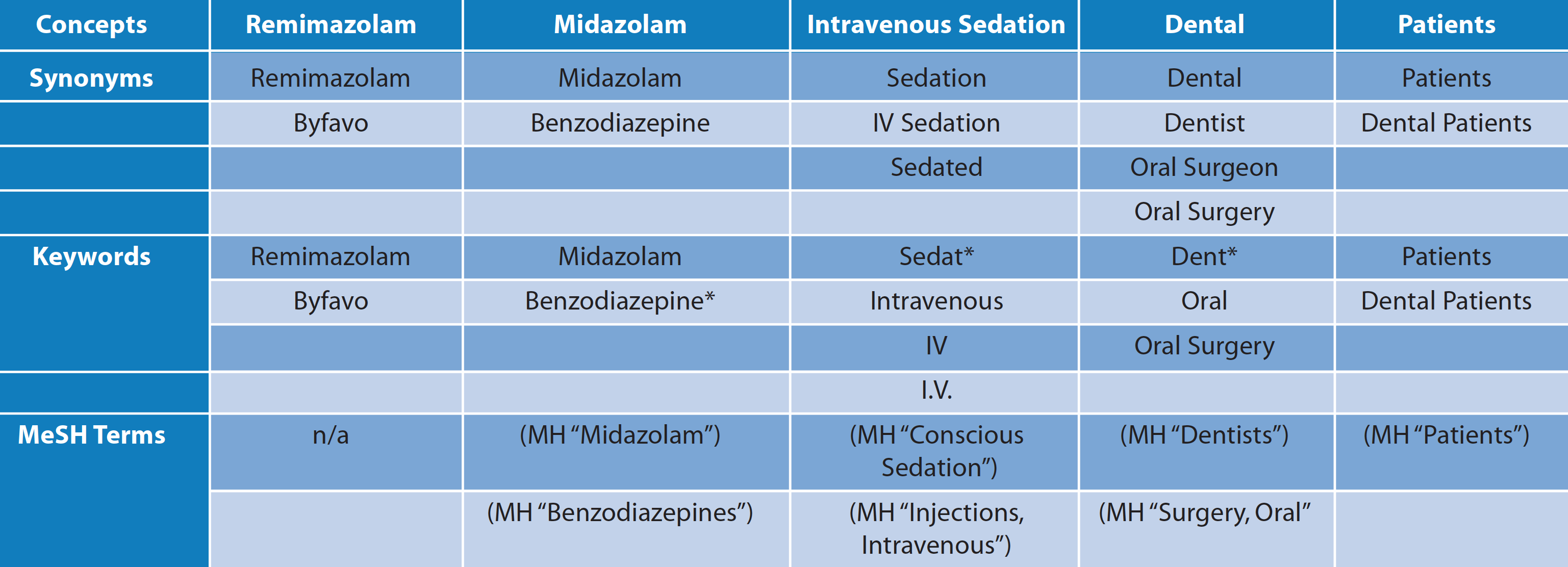
Table 1 Adapted Medline search strategy 

Additionally, studies focusing solely on remimazolam when used in conjunction with other sedatives, such as propofol, were excluded. This decision was based on the fact that polypharmaceutical sedation is not standard practice in the dental setting in the United Kingdom,6 making these studies non-generalisable and their results inapplicable to current practice in the UK. Some primary studies used fentanyl as an adjuvant opioid anaesthetic,12,15 these were not excluded as it was being used for intra-operative analgesia rather than the induction of sedation.12 

Search strategy 
A search strategy was generated and adapted as required for different databases. This strategy was adapted for use in the following databases: Medline, Dentistry and Oral Sciences Source, the Cumulative Index to Nursing & Allied Health, Academic Search Complete, Embase, and the Cochrane Library of Systematic Reviews. The reference lists of all included systematic reviews were handsearched to find any studies that may have been missed by the database search. Furthermore, PAION (the manufacturer of remimazolam) was contacted and any relevant studies were requested. 


Results


Systematic review selection 
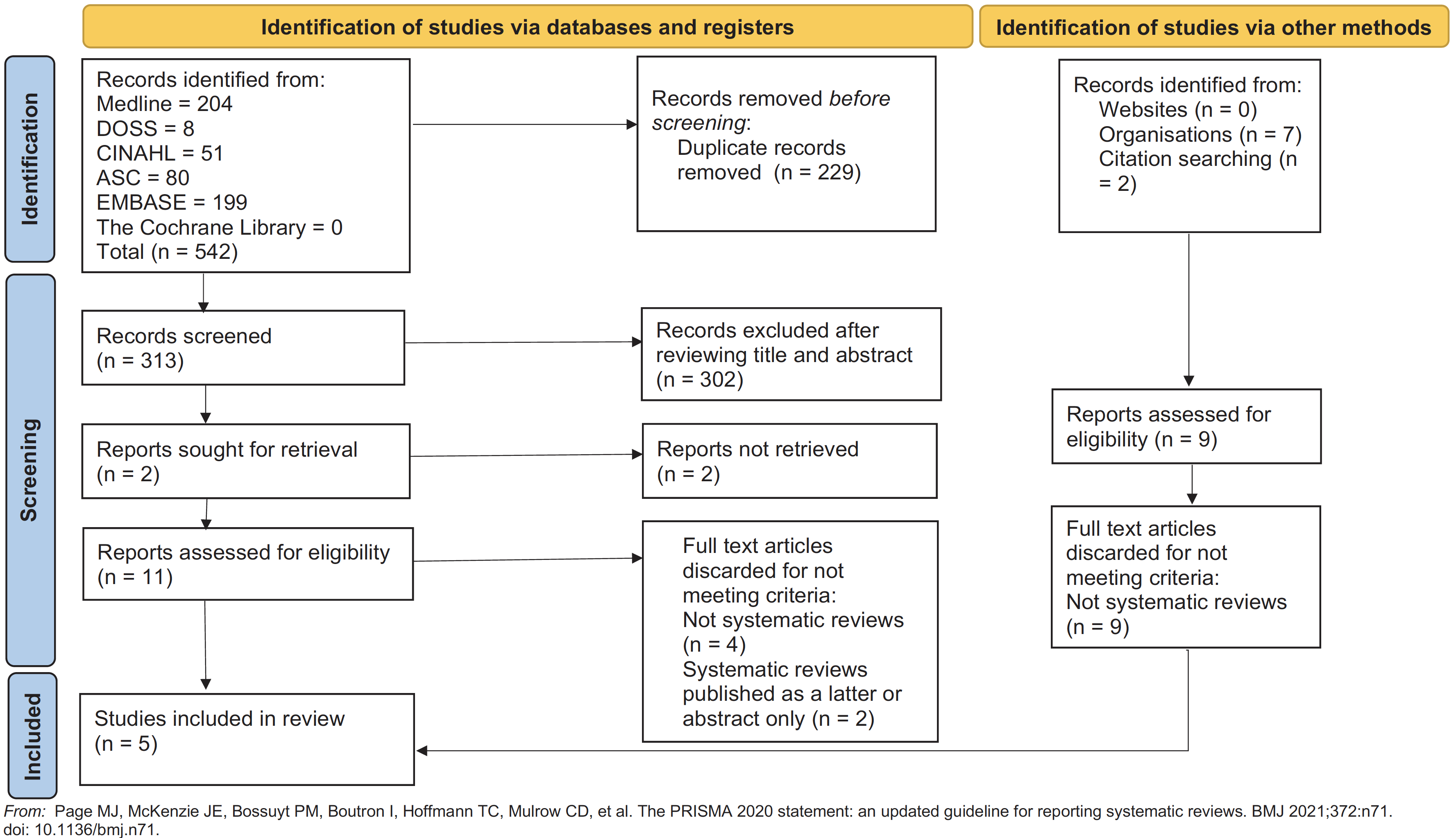
Five studies were ultimately included in this review after full text analysis, assessment of the inclusion and exclusion criteria and evaluation of their relevance to the research question. The process of study selection has been summarised in Figure 1. 

Fig. 1 PRISMA flowchart for selecting eligible studies 

Systematic review selection 
Five studies were ultimately included in this review after full text analysis, assessment of the inclusion and exclusion criteria and evaluation of their relevance to the research question. The process of study selection has been summarised in Figure 1. 

Systematic review characteristics 
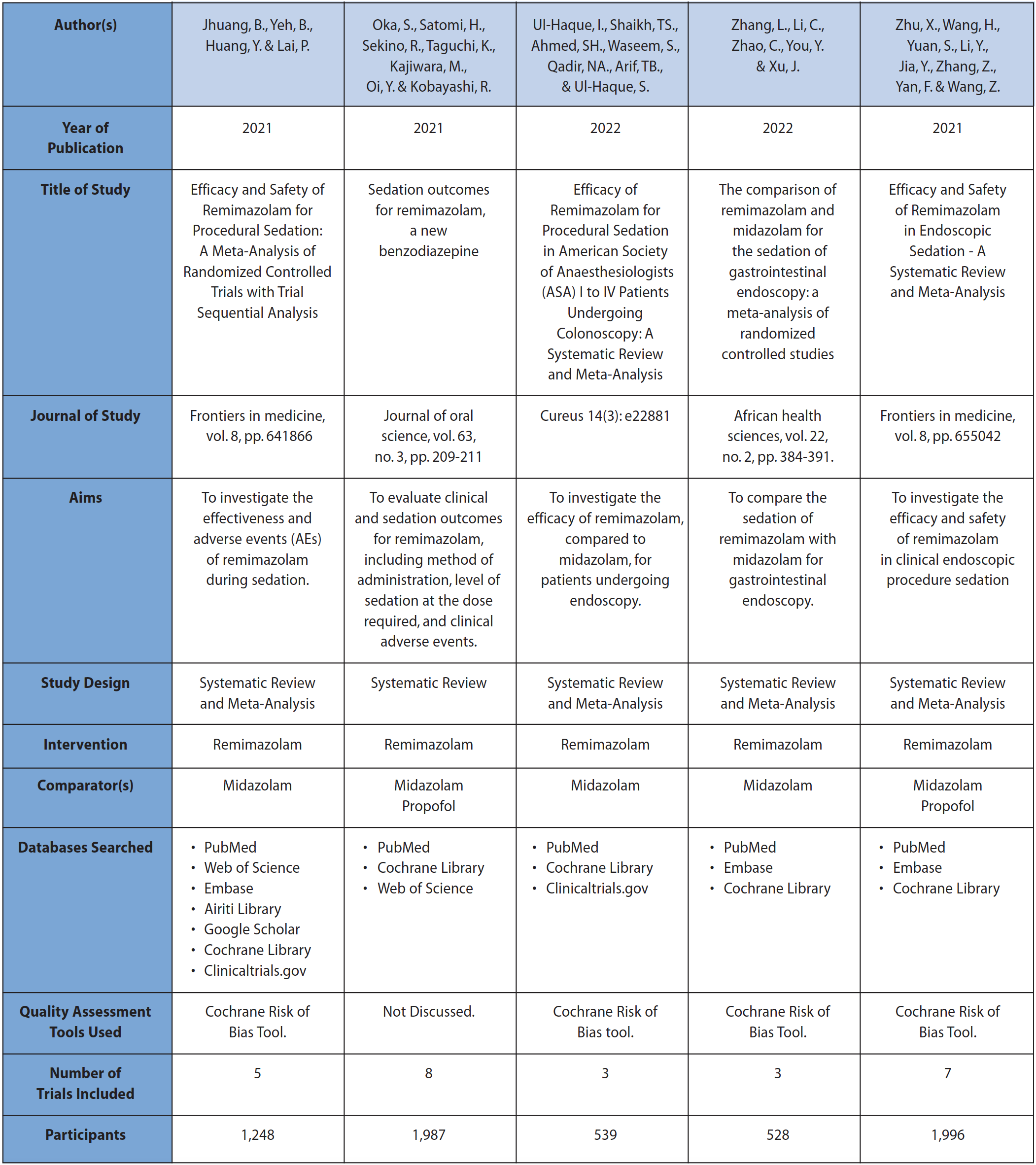
All included studies were systematic reviews, with four including meta-analysis and one opting for narrative synthesis. Three of the five studies focused on comparing the use of remimazolam to midazolam alone, while two studies also compared remimazolam to propofol. These still included data directly comparing remimazolam to midazolam, which allowed for their inclusion. One systematic review was excluded in screening phase as it grouped midazolam with propofol into a combined ‘traditional sedatives’ group, which made direct comparison with midazolam impossible.9 Only one study was written from a dental perspective12 while four were written from a broader anaesthetics perspective, with a particular focus on the use of remimazolam in endoscopy, bronchoscopy or colonoscopy.13,14,15,16 These are the procedures for which procedural sedation is most commonly used outside of dentistry, and it is on sedation for these purposes that the majority of primary studies included in the reviews were reporting. All studies were reported in English between 2021 and 2022. A full summary of study characteristics is presented in Table 2. 

Table 2 Summary of study characteristics 

Risk of bias within systematic reviews 
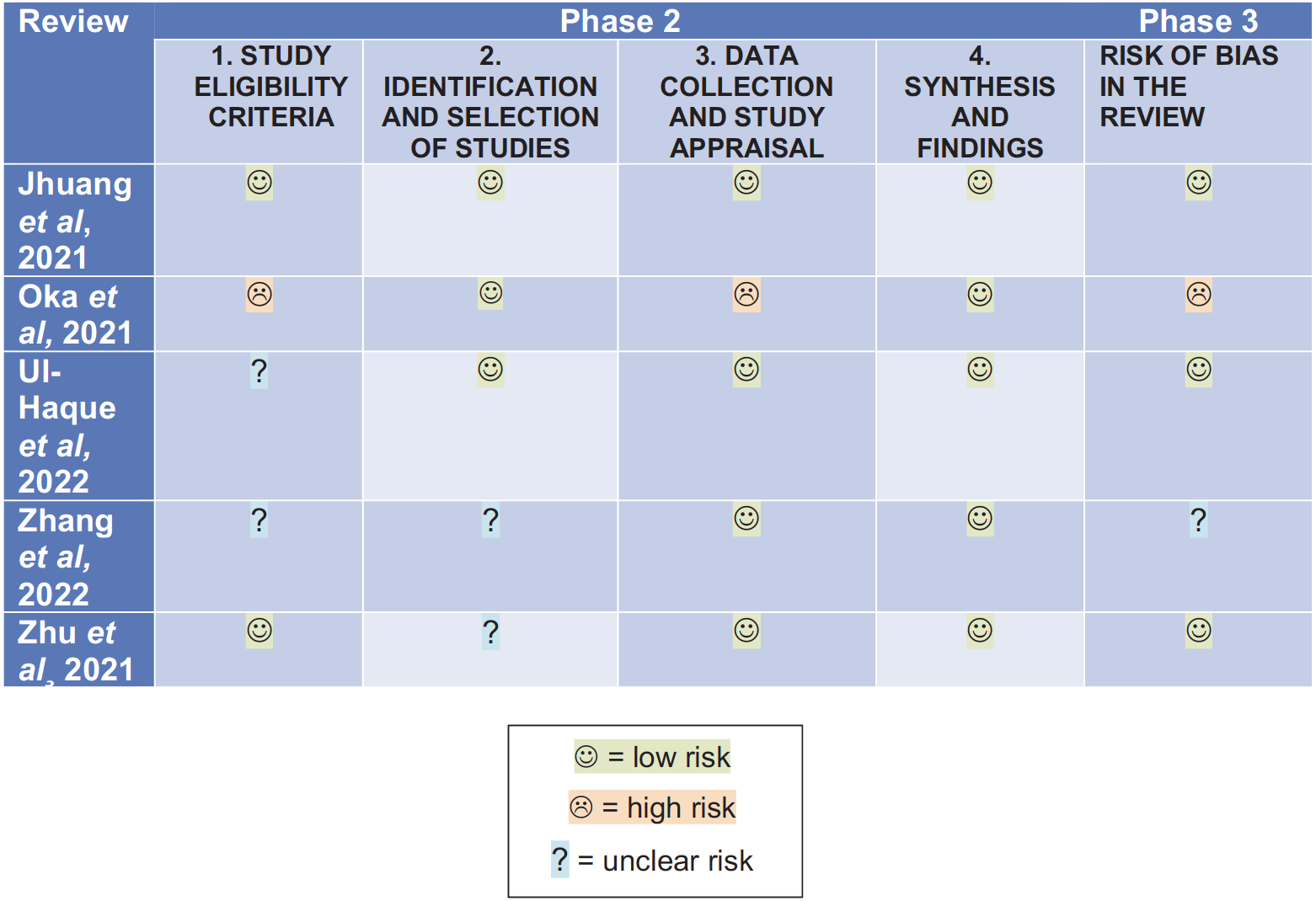
All systematic reviews were assessed for risk of bias using the ROBIS (risk of bias in systematic reviews) tool. Overall, three of the studies were assessed as having a low risk of bias, one study had a moderate risk of bias15 while one was considered to have a high risk of bias.12 The results from the risk of bias assessment are shown in Figure 2. 

Fig. 2 Tabular presentation of ROBIS risk of bias assessment


Characteristics of intervention


Remimazolam was administered intravenously in all included studies. Some studies used fentanyl as an adjuvant opioid analgesic.12,15 The chosen dose of remimazolam varied significantly across studies, ranging from 0.04 to 0.2 mg/kg given intravenously over one minute to a single intravenous bolus of 5 mg with a potential top-up of 2.5 to 3 mg.14,17,18 Dose-finding studies (clinical trials designed to determine the optimal or most effective dose of a medication) were conducted, using incremental groups based on weight or specific doses.17,18 One review only included dose-specific trials in their analysis, using an initial loading dose of 5 mg remimazolam with a top-up of 3 mg.14 


Primary outcomes


Onset time 
Among the mentioned systematic reviews, only one study12 provides a direct comparison of onset time between remimazolam and midazolam. According to this study, remimazolam achieves an optimal level of sedation more rapidly than midazolam, ranging from 1.5 to 6.4 minutes. Within this review, two primary studies directly compared the onset time, with remimazolam demonstrating faster onset compared to midazolam: 1.5 to 2 minutes versus 5 minutes17 and 2.2 to 2.6 minutes versus 4.8 minutes.18 

Procedure success 
Four reviews contained procedure success as an outcome measure. The definition of procedure success is elaborated in all studies except one13 and is a composite score measuring efficacy of the sedative. This score comprised between three and four outcomes. The first three of these four outcomes are consistent across the studies, with only one review14 omitting the fourth outcome: 

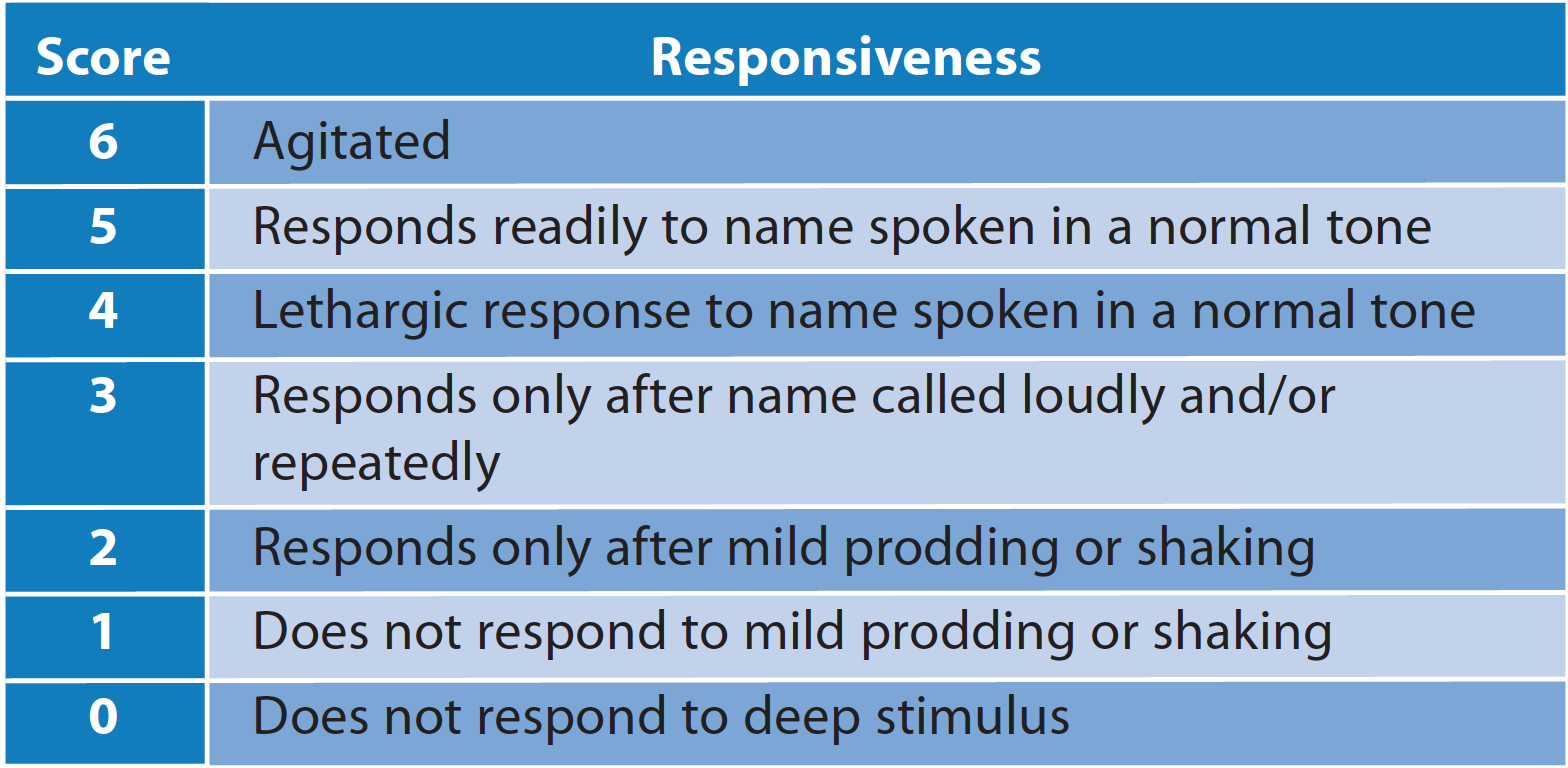
1. Modified Observer’s Assessment of Alertness / Sedation (MOAA/S) ≤4 on 3 consecutive measurements taken every minute 

2. Completion of the procedure 

3. No requirement for an alternative and/or rescue medication 

4. No manual or mechanical ventilation 

Fig. 3 The Modified Observer's Assessment of Alertness / Sedation (MOAA/S)

Two reviews13,16 found that remimazolam was superior to midazolam both before and after adjustment for heterogeneity (differences or variations in the data). One study14 initially found a statistically non significant result, but upon removing a dose-finding study with various doses of remimazolam compared to a fixed dose of midazolam18 from the analysis, sensitivity analysis (a test of the robustness or reliability of the study's results and conclusions) then strongly favoured remimazolam. The dose-finding study was removed from analysis as the authors stated that there is no advantage in dosing healthy individuals by weight rather than a specific dose.14 One review, which looked exclusively at remimazolam compared to midazolam for the purposes of endoscopy, found a statistically significant improvement in procedure success after sensitivity analysis with no remaining heterogeneity.15 It follows that all four included systematic reviews which measured procedure success found statistically significant superiority in favour of remimazolam when compared to midazolam. 

Completion of procedure 
Two systematic reviews13,14 included a distinct outcome measure for the completion of the procedure being carried out under sedation. Neither study, however, found a statistically significant association between remimazolam and the completion of procedures either before, or after, sensitivity analysis. 

Dose required for adequate sedation 
All studies defined adequate sedation as a Modified Observer’s Assessment of Alertness / Sedation (MOAA/S) score of 3 or ≤4. Only one study12 specifically assessed the dose required for adequate sedation as a specific outcome measure, and defined adequate sedation as a MOAA/S score of 3. It was stated that the minimum dose to achieve this was either 0.04 to 0.2 mg/kg given intravenously over one minute, or a 5 mg bolus given with or without a 2.5 mg top-up dose. Another review agreed that an initial dose of 5 mg bolus followed by up to 3 mg top-up had the highest efficacy when compared to other doses.15 

Not exceeding assigned top-up dose 
Only one review14 compared remimazolam to midazolam with regards to whether it was ever required to exceed the assigned top-up dose in order to achieve the desired level of sedation. A statistically significant result was found, with remimazolam comparing favourably to midazolam. This would suggest that it is less common for a prescribed dose of remimazolam to fail to achieve the level of sedation required in the patient without further top-ups. 

Administration of rescue medication 
Rescue medication is given if the initial dose of sedative given does not achieve adequate sedation for the completion of the surgical or investigative procedure. This is generally given as an unassigned top-up dose of the sedative in question.15 However, rescue medication may have been given as an alternative sedative; as such it was measured as a different outcome measure than assigned top-up dose. The use of rescue medication in patients receiving remimazolam or midazolam was compared in three of the included systematic reviews. One review found that the use of rescue medication was significantly reduced in the remimazolam group.13 Another carried out sensitivity analysis and found a significant reduction in the need for rescue sedatives both before and after this.14 One review quantified this reduced need for rescue sedatives as a reduction of 2.5 to 7.5%, resulting in a smoother sedation workflow compared to midazolam.15 


Secondary outcomes


Time to recovery 
Patients sedated with remimazolam tended to recover more quickly than those sedated with midazolam; one review13 found this difference to be statistically significant. Time to recovery from remimazolam sedation ranged from 6.8 minutes to 13.6 minutes; recovery from midazolam sedation ranged from 11.5 to 15.8 minutes.12 The dosage regimes across the primary studies were not consistent and so the result as to specific recovery times is not reliable. 

Cognitive recovery 
The recovery of cognitive function was assessed in two systematic reviews using the Hopkins Verbal Learning Test-Revised (HVLT-R). The HVL-T is a neuropsychological assessment tool used to evaluate verbal learning, memory and recognition abilities by presenting word lists and measuring immediate and delayed recall (around 20 to 25 minutes later) of the presented words as well as recognition accuracy.13,15 It was found that patients in the remimazolam group achieved significantly faster cognitive recovery than the midazolam group.13 Patients who were administered remimazolam demonstrated a shorter total recall and delayed recall, but it did not show any significant effect on attaining full alertness.15 

Adverse events 
No statistically significant difference was observed between remimazolam and midazolam regarding adverse events, both when considered as a whole or when analysing individual adverse event outcomes such as decreased oxygen saturation, headache, hypotension, hypertension, or bradycardia.13 However, one review noted a significantly lower risk of hypotension in the remimazolam group compared to midazolam, while no significant difference was found across other adverse event outcomes.16 Another review reported a lower risk of both hypotension and other adverse events in the remimazolam group15. Overall, remimazolam appeared at least non-inferior, and potentially safer, than midazolam. 


Discussion 


The pooled findings from five systematic reviews suggest that remimazolam may offer significant advantages over midazolam in terms of speed of onset, procedure success, rescue sedatives, recovery time, cognitive recovery and certain adverse events (hypoxia). However, it is important to note that only one systematic review considers remimazolam from a dental perspective, and no primary research included in the reviews takes place in a dental setting. Therefore, caution is needed when considering these results in the context of dental practice. 

The choice of analgesic modality varies depending on the clinical context. While some primary studies used the opioid fentanyl for pain relief during sedation, in the dental setting, only local anaesthetics are typically used in combination with a benzodiazepine sedative. Opioids carry a higher risk of respiratory depression and hypotension,12 which may impact sedation depth and adverse events. Therefore, results regarding sedation depth, recovery and adverse events in studies in which fentanyl was used must be interpreted cautiously. 

The primary research included in the systematic reviews focuses on remimazolam sedation for bronchoscopy, endoscopy, and colonoscopy, which are not analogous to dental procedures. Dental procedures often have longer durations and unique aspects such as fluids in the oral cavity which may influence adverse events associated with sedation. There is currently no clinical trial examining the use of remimazolam during dental procedures in primary care. While one randomised controlled trial in an outpatient oral and maxillofacial surgery unit showed increased procedure success rate and faster recovery with remimazolam, the difference in recovery time may not be clinically significant.8 Additionally, the oral surgery procedures in this trial represent only a fraction of those which may be performed in general dental practice. Therefore, further primary research focused on dental practice is needed. 

The required dose for adequate sedation with remimazolam does not appear significantly different from that of midazolam. However, the mode of administration varies across the studies. Remimazolam is either given as a measured dose based on patient weight or as a fixed bolus with, or without, subsequent top-ups. The recommended standard for the dental setting is careful titration of the sedative to patient response, which has not been investigated in remimazolam studies. Further studies in this area are necessary. 

While remimazolam has been associated with faster recovery time, there is no discussion of the time required for full psychomotor recovery, which is an important consideration. Reducing the recovery time may offer advantages to patients and their escorts in terms of supervision, work leave and transportation options. 

The use of remimazolam for single-drug sedation is only discussed for adults in the IACSD 2023 statement. However, midazolam sedation is currently available for children over 12 years of age; research on the practicalities of sedating the 12 to 18-year-old age group with remimazolam would be beneficial. 

Economic analysis is crucial to determine if the benefits of remimazolam are worth the financial cost. The economic arguments for remimazolam were not deemed sufficiently robust to approve its use within NHS Scotland for colonoscopy or bronchoscopy.11 However, this assessment does not consider its use as a dental sedative, and the economic analysis may not be generalisable to the dental setting. 

Despite its drawbacks, midazolam has long been the drug of choice for procedural sedation in the dental setting due to its safety, predictability, affordability and familiarity to practitioners. To replace midazolam, remimazolam must demonstrate clear advantages while at least being non-inferior in other aspects. While remimazolam appears to have significant advantages, further primary research in the dental setting is necessary to determine if these advantages are clinically and practically significant enough for widespread adoption. 

Limitations of this study include the inclusion only of English language research, which may have restricted access to valuable findings in other languages. Additionally, there were a small number of primary studies included across the systematic reviews, and there was overlap of primary studies across the reviews, potentially biasing the results. Publication bias must be considered due to the funding sources of the included primary research. Six out of eight primary studies across the reviews were funded by PAION UK Ltd., the manufacturer of remimazolam. Therefore, the conclusions of this review must be interpreted with caution. 


Conclusion 


The available evidence suggests that remimazolam has statistically significant advantages over midazolam for intravenous sedation. However, there is a lack of research on the use of remimazolam specifically in the dental setting and whether these advantages remain clinically significant. Further trials comparing remimazolam to midazolam in the dental setting, without concomitant opioids or sedatives and with titration of the drug, are needed. 

Based on the discussed findings, future randomised controlled trials comparing remimazolam to midazolam for single-drug intravenous sedation in the dental setting are proposed. These trials should assess remimazolam's performance during longer dental procedures without concomitant systemic anaesthetics. It is important to evaluate whether remimazolam provides a meaningful advantage over midazolam; the most significant advantage may be the reduced time to recovery. Studies are needed to determine the time from induction to full cognitive and motor recovery following remimazolam sedation, in order to fully understand the potential benefits of this new medication. 


Acknowledgements 


This paper was derived from a dissertation written and submitted for consideration for the award of the degree of MSc in Oral Surgery from the University of Central Lancashire. The author would like to acknowledge his advisor, Professor Kathryn Taylor, for her help throughout this process. 


Conflicts of Interest


The author has no conflicts of interest to declare. 


References 


1. Sneyd J R, Gambus P L, Rigby-Jones A E. Current status of perioperative hypnotics, role of benzodiazepines, and the case for remimazolam: a narrative review. Br J Anaesth 2021; 127: 41-55. 
2. Illing K. Anxiety Management and Sedation in Dentistry; the next 60 years? SAAD Digest. 2018; 34: 47-50. 
3. Dao V A. Efficacy of remimazolam versus midazolam for procedural sedation: post hoc integrated analyses of three phase 3 clinical trials. Endosc Int Open. 2021; 10: E378-E385. 
4. Lee A, Shirley M. Remimazolam: A Review in Procedural Sedation. Drugs. 2021; 81: 1193-1201. 
5. Kim S H, Fechner J. Remimazolam – current knowledge on a new intravenous benzodiazepine anesthetic agent. Korean J Anesthesiol. 2023; 75: 307-315. 
6. Intercollegiate Advisory Committee for Sedation in Dentistry. Standards for Conscious Sedation in the Provision of Dental Care. 2020. Available from: https://www.saad.org.uk/IACSD%202020.pdf [Accessed 10/04/2023]. 
7. Intercollegiate Advisory Committee for Sedation in Dentistry. Remimazolam for intravenous conscious sedation for dental procedures. 2023. Available from: https://www.rcseng.ac.uk/-/media/fds/iacsd/iacsd-remimazolam-statement-130623.pdf [Accessed 18/10/2023]. 
8. Guo Z, Wang X, Wang L, Liu Y, Yang X. Can Remimazolam Be a New Sedative Option for Outpatients Undergoing Ambulatory Oral and Maxillofacial Surgery? J Oral Maxillofac Surg. 2022; 81: 8-16. 
9. Tang Y, Yang X, Yu Y, Shu H, Xu J, Li R, Zou X, Yuan S, Shang Y. Remimazolam versus traditional sedatives for procedural sedation: a systematic review and meta-analysis of efficacy and safety outcomes. Minerva Anestesiol. 2022; 88: 939-949. 
10. Paion. Paion launches Byfavo® (Remimazolam) in the UK for procedural sedation. 2021. Available from: https://www.paion.com/newsdetails/paion-launches-byfavo-r-remimazolam-in-the-uk-for-procedural-sedation/?cHash=04b6c8 adc0779e2e5dc273936a459a6d [Accessed 27 November 2022]. 
11. Scottish Medicines Consortium. Remimazolam 20mg powder for solution for injection (Byfavo®). Healthcare Improvement Scotland. 2022. Available from: https://www.scottishmedicines.org.uk/media/7040/remimazolam-byfavo-final-july-2022-for-website.pdf. 
12. Oka S, Satomi H, Sekino R, Taguchi K, Kajiwara M, Oi Y, Kobayashi R. Sedation outcomes for remimazolam, a new benzodiazepine. J Oral Sci. 2021; 63: 209-211. 
13. Jhuang B, Yeh B, Huang Y, Lai P. Efficacy and Safety of Remimazolam for Procedural Sedation: A Meta-Analysis of Randomized Controlled Trials With Trial Sequential Analysis. Front Med. 2021; 8: 641866. 
14. Ul-Haque I, Shaikh T G, Ahmed S H, Waseem S, Qadir N A, Bin Arif T, Haque S U. Efficacy of Remimazolam for Procedural Sedation in American Society of Anesthesiologists (ASA) I to IV Patients Undergoing Colonoscopy: A Systematic Review and Meta-Analysis. Cureus. 2022; 14: e22881. 
15. Zhang L, Li C, Zhao C, You Y, Xu J. The comparison of remimazolam and midazolam for the sedation of gastrointestinal endoscopy: a meta-analysis of randomized controlled studies. Afr Health Sci. 2022; 22: 384-391. 
16. Zhu X, Wang H, Yuan S, Li Y, Jia Y, Zhang Z, Yan F, Wang Z. Efficacy and Safety of Remimazolam in Endoscopic Sedation—A Systematic Review and Meta-Analysis. Front Med. 2021: 65504. 
17. Borkett K M, Riff D S, Schwartz H I, Winkle P J, Pambianco D J, Lees J P, Wilhelm-Ogunbiyi K. A Phase IIa, randomized, double-blind study of remimazolam (CNS 7056) versus midazolam for sedation in upper gastrointestinal endoscopy. Anesth Analg. 2015; 120: 771-780. 
18. Pambianco D J, Borkett K M, Riff D S, Winkle P J, Schwartz H I, Melson T I, Wilhelm-Ogunbiyi K. A phase IIb study comparing the safety and efficacy of remimazolam and midazolam in patients undergoing colonoscopy. Gastrointest Endosc. 2016; 83: 984-99. 

JS

Download article 2


DOI: 10.63507/XIAI3917


A synopsis of articles of interest from the last twelve months
to inspire further reading 


Conscious sedation teaching in dental schools of the United Kingdom and Ireland: an update

Taylor K, Dargue A, Vincent A.
Br Dent J 2025; 239: 61-65.
DOI: 10.1038/s41415-025-8400-5

Abstract
Aim
To examine the current state of conscious sedation teaching to undergraduates in the dental schools of the United Kingdom (UK) and Ireland.

Background
In 2000, Leitch and Girdler published ‘A survey of the teaching of conscious sedation in the United Kingdom and Ireland’ in the British Dental Journal, which gave insight into the undergraduate experience and the teaching of conscious sedation in UK and Ireland at that time. In October 2022, the Dental Sedation Teachers Group (DSTG) adapted this survey for the wider dental team to evaluate current undergraduate conscious sedation education in dental schools in the UK and Ireland.

Methods
A survey was adapted and piloted by two DSTG school representatives. This was distributed via email to the DSTG school representatives of UK and Irish dental schools, with repeat emails sent to non-responders.

Results
In total, 13 out of 16 schools responded. Most sedation teaching was led by staff from oral surgery and paediatric dentistry (nine schools). This survey included the wider dental team; sedation training was delivered by staff from hygiene and therapy departments in three schools.

Conclusion
Decreased sedation experience was observed in most schools over the last 25 years. Currently, there is limited experience of undergraduate sedation in most schools.

Reviewer’s evaluation, opinion and points of interest
Dental graduates are not required to provide conscious sedation but must be able to assess anxiety, discuss sedation options and refer patients appropriately. They also need basic knowledge and exposure to sedation for managing anxious or unco-operative patients.

Hygienists and therapists require further training in inhalation sedation but share responsibilities in assessing anxiety and communicating sedation risks.

The findings of this study are concerning because, over the past 25 years, undergraduates have had fewer opportunities for hands-on experience with conscious sedation, largely due to increased pressures on dental schools. In other words, many graduates either lack appreciation of how effective sedation can be for treating anxious patients or, if they do appreciate its importance, don't feel inclined to pursue further training in sedation on their own. Studies indicate that more undergraduate experience with sedation increases confidence and satisfaction, highlighting the need for better training opportunities and postgraduate encouragement.

The survey revealed notable differences in dental students' exposure to intravenous and inhalation sedation. Only one school provided substantial hands-on training in intravenous sedation, and several were unclear about student participation. Both types of sedation experience have declined compared to previous surveys. Only four schools now have dedicated sedation departments. Most staff consider current training adequate, though many would expand it if given more resources.

The authors point out that there is an educational dilemma in that UK dental schools follow flexible GDC guidelines, leading to varied interpretations, especially for practical experience regarding sedation training. Contributing challenges include large class sizes, understaffing, patient non-attendance and other issues. Students’ clinical exposure varies widely.

The necessity for sedation in dental care for anxious patients is clear; however, NHS primary dental services face significant challenges as a result of scarce resources and restricted conscious sedation options. Inhalation sedation remains an important modality for paediatric patients, yet few hospital trusts provide this service, leading to increased reliance on general anaesthesia and rising costs. There is a compelling case for expanding and enhancing sedation services within primary care. An increase in the number of graduates who have received thorough training in sedation during dental school would significantly contribute toward achieving this goal.

FA


Avoiding repeat general anaesthetics in children: a service evaluation of repeat general anaesthetics for dental care in paediatric patients between 2017–2023 in Cardiff Avoiding repeat general anaesthetics in children: a service evaluation of repeat general anaesthetics for dental care in paediatric patients between 2017–2023 in Cardiff 

Teague H, Ezzeldin M, Collard M
Br Dent J 2025. Online ahead of print.
DOI: 10.1038/s41415-025-8407-y

Abstract
Introduction
Children may require general anaesthetic (GA) for dental care for a variety of reasons, including limited cooperation or dental anxiety. However, GA is not without risk and to avoid repeat GAs, we must treatment plan effectively. Repeat GAs not only present risks to the child’s health and wellbeing but have economic implications and affect service provision.

Aims and objectives
To determine the incidence of repeat GAs for dental care in paediatric patients, identify why repeat GAs were required and ascertain whether changes need to be made to the treatment planning process.

Methods
Theatre software was used to identify paediatric patients who were booked more than once for dental treatment under GA between 2017-2023. The files of these patients were investigated to ascertain the circumstances leading to the repeat GA procedure.

Results
In total, 41 children (1.21%) had repeat GAs within the six years investigated. Additionally, 51% (n = 21) of paediatric patients requiring a repeat GA had behavioural factors and the most common reason for repeat GAs was new carious lesions.

Conclusion
We have a low repeat GA rate and have been able to identify the most common reasons for repeat GAs, as well as the specific groups of patients commonly requiring them. We have used this information to change our prevention strategies and now discuss cases of repeat GAs among consultant colleagues.

Reviewer’s evaluation, opinion and points of interest
Over six years, 3,402 children received general anaesthesia (GA) for dental care in Cardiff; 41 (1.21%) had repeat GAs, mainly due to new carious lesions (56.1%). Of those with repeat GAs, 51% had behavioural factors such as ASD. The two-year repeat GA rate was 0.26% (n = 9). After excluding cases with complex needs or unpreventable conditions, 16 children (0.47%) had ‘preventable’ repeat GAs.

The paper mentions that although there is no established standard for repeat general anaesthetics (GAs) in paediatric dental care, it is considered best to avoid a second GA in children under five and within two years of the first. The authors advocate appropriate treatment planning to reduce the risk of repeat general anaesthetics. The British Society of Paediatric Dentistry advises comprehensive dental assessments before GA to address all dental disease and minimize repeat procedures. The Royal College of Anaesthetists notes that unnecessary GAs should be avoided due to associated risks, especially for lengthy procedures or younger children. Repeat GAs also increase healthcare costs, with average NHS expenses for multiple extractions in under-18s exceeding £2,000 in 2021.

In an attempt to address this situation in the Cardiff unit, a standardised new patient proforma was introduced over six years aimed at improving departmental record-keeping.

However, documentation of social history, especially for children living in multiple households or with social worker involvement, remains challenging as it has limitations with regard to consent, safeguarding and conveying effective preventive advice.

Paediatric specialists or consultants now oversee GA treatment planning in Cardiff, possibly explaining the lower repeat GA rate compared to units without this approach. A new oral health prevention leaflet is now provided to families at each GA. Repeat GAs are reviewed monthly by all clinicians to discuss treatment planning and support ongoing service improvements.

Prior studies also link specialist-led planning to reduced repeat procedures. The evaluation also shows that repeat GAs are mainly due to failed oral health prevention and it is concerning that repeat general anaesthetics are most often required due to new carious lesions, accounting for 56.1% (n = 23) of repeat cases. 

An argument presented in the paper is that ‘repeat GAs often mean children are experiencing dental pain while waiting for treatment and that this may contribute to reduced educational attainment and time out of employment for parents’. However, the question is why should there be waiting time for children who are in dental distress, is that not an inadequacy of the GA service? It was not in the scope of the study to discuss alternative methods of treatment including paediatric sedation. While accepting that some children may be co-operative for treatment under local anaesthetic, other children may never become co-operative due to behavioural needs and for whom GA might be necessary. However, besides focusing on prevention and sound treatment planning, it is essential that every effort is made to improve and enhance paediatric sedation services in community and primary care.

FA


General anaesthesia in special care dentistry. Part 2: delivering dental care 

Shehabi Z, Doshi M, Liu S, Geddis-Regan A.
Dent Update 2025; 52: 35-40.
DOI: 10.12968/denu.2025.52.1.3

Abstract
The use of general anaesthesia (GA) in dental care needs to be cautiously justified and considered. Preparation for GA can take a considerable degree of planning, especially as the increased prevalence of co-existing systemic diseases in people with disabilities can increase the risks and challenges of care delivery. When a GA has been deemed appropriate and consent has been gained for relevant treatment, providing treatment this way requires further considerations related to anaesthesia and dental care. There is also a recovery period after GA, and there can be additional post-operative considerations. This paper details the ‘how’ of delivering care under GA, including the dental team's role in supporting an anaesthetic team, the delivery of dental procedures, and the logistics of post-GA care.

Reviewer’s evaluation, opinion and points of interest
This is one of three articles in a series which cover the justification for general anaesthesia in special care patient groups, its administration, and provides a case series to highlight some of the challenges encountered by clinical teams, whilst drawing upon current national guidance and policies in the United Kingdom. Collectively, this is a very useful learning resource, which is enriched by high quality photographs to further aid reader understanding.

I think this is particularly helpful for teams encountering patients with disabilities across all dental specialties, as it can help inform some of the initial discussions with patients or their family / carers and indeed between the dental and anaesthetic teams. In particular, I recommend this series to any readers who are preparing for related professional examinations, as it provides succinct information in a format that is easy to read and retain.

SC


The successful anesthetic management of an adult with Cri-du-Chat syndrome by using personalized behavioral strategies: a case report 

Mavridou P, Exarchos C, Kitsakou P et al.
Cureus 2025; 17: e91969.
DOI:10.7759/cureus.91969

Abstract
Cri-du-Chat syndrome (CDCS) is a rare genetic disorder caused by a partial deletion of the short arm of chromosome 5, and it is characterized by craniofacial dysmorphism, severe intellectual disability, and behavioral challenges. Anesthetic management in adults with CDCS is rarely reported, as the literature mostly focuses on pediatric cases. We describe the case of a 34-year-old male with CDCS who was scheduled for periodontal surgery under general anesthesia; he refused all pharmacological premedication and exhibited severe separation anxiety. A caregiver-guided behavioral approach using repetitive familiar phrases enabled a calm transfer to the operating room and successful intravenous access. Anticipating a difficult airway due to micrognathia, macroglossia, and a high Mallampati score (III), nasotracheal intubation was achieved uneventfully. Anesthesia was maintained with sevoflurane and opioid-free analgesia. Recovery was smooth, and same-day discharge was accomplished. This report emphasizes the importance of non- pharmacological preparation, meticulous airway planning, and fast-track anesthetic strategies in adult CDCS patients who cannot tolerate conventional premedication.

Reviewer’s evaluation, opinion and points of interest
Most published cases which describe the features and challenges brought by rare syndromes are limited to paediatrics. The rarity of syndromes is also reflected in the limited clinical exposure, especially concerning anaesthetic management in adult patients, making risk assessment and treatment delivery complex.

Although this article offers relevant detail about the patient’s airway and anaesthetic management with details specific to Cri-du-Chat syndrome, I found it particularly helpful to understand the pre-operative planning with care givers.

The clinical team had a detailed meeting about how to support the patient on the day of admission. They understood the patient’s level of understanding, communication ability and anxiety triggers, such as unfamiliar environments, resistance to touch by strangers and previous episodes of aggression when separated from family. They also learned that the transfer to the operating room posed the greatest challenge, as the patient refused oral or intramuscular sedatives and inhalational induction was impractical due to the patient’s tendency to push masks away forcefully and the patient also exhibited severe separation anxiety. They noted that specific stereotyped phrases and a simple rhythmic children’s song consistently calmed the patient. The anaesthetic team incorporated these cues into the peri- operative plan. On the day of surgery, the anaesthetist and theatre nurse repeatedly used these familiar phrases while holding the patient’s hands, allowing them to walk into the operating room, accompanied by a family member. Continuous repetition of the song and phrases facilitated smooth cooperation while the patient remained seated for the application of monitors and successful intravenous cannulation, enabling immediate administration of induction agents.

This is a great case to remind us all that we cannot rely on pharmacology alone. It is helpful to have access to relevant case reports such as this, to inform planning for future adult patients with rare syndromes.

SC


Anesthetic management of extreme obesity: a case study

Alessandro N M M D, Landsbergen E, Dhumak V.
Int J Anesth Clin Med 2025; 13: 46-57.
DOI: 10.11648/j.ijacm.20251301.17

Abstract
Obesity and Autism Spectrum Disorder (ASD) are prevalent conditions that significantly impact anesthetic management due to airway challenges, metabolic risks, and behavioral considerations. Obesity affects 42% of U.S. adults, while ASD prevalence in adults is approximately 2.21%, necessitating tailored perioperative care strategies. We describe the anesthetic management of a 30-year-old male with a BMI of 101.1, weighing 707 lb (320.7 kg), measuring 5' 9" (1.75 m) and ASD undergoing dental surgery. Preoperative challenges included obesity-related airway risks and communication barriers due to ASD. Despite preoperative preparation, the patient was uncooperative, requiring anesthesia induction on a transport cart. General anesthesia was administered using a rapid-sequence intubation technique with succinylcholine, and airway management was facilitated with ramp positioning. Intraoperative care included sevoflurane, along with adjunctive infusions of propofol, dexmedetomidine, and boluses of fentanyl. Postoperative recovery was uneventful, with stable vitals and effective pain management. Patients with both obesity and ASD present unique anesthetic challenges, including increased airway management risks and behavioral sensitivities. Effective strategies include individualized preoperative preparation, the use of anxiolytics like midazolam, and vigilant intraoperative monitoring. Postoperative care requires careful pain assessment, as individuals with ASD may express discomfort atypically. This case highlights the importance of interdisciplinary collaboration and adherence to obesity-specific perioperative guidelines to optimize outcomes. Further research is needed to establish tailored guidelines for managing individuals with extreme obesity and ASD undergoing surgical procedures.

Reviewer’s evaluation, opinion and points of interest
This publication particularly caught my eye, as many of the issues described have become an increasingly frequent part of my work within special care dentistry. The combination of obesity and autism spectrum disorder (ASD) profoundly impact anaesthetic decision-making, requiring individualised approaches to optimise patient safety and clinical outcomes.

The authors provide some useful background for the increased risk of obesity in adults with ASD including limited physical activity, restricted eating habits, and a preference for high- calorie, low-nutrient foods. Here the authors also highlight how people with ASD often take medications, such as risperidone and aripiprazole, to pharmacologically manage behaviours which can cause metabolic shifts and lead to increased body mass. There is occasionally a complex relationship between how food is handled in the residence in context of behaviour management and may lean towards safeguarding concerns in some situations, where the individual lacks capacity to understand the implications of food-related behaviours.

A structured overview of the anatomical and physiological changes associated with obesity is provided, leading to difficult airway management as well as how to carry out effective pre- operative assessment for morbidly obese patients, strategies for airway management for intubation and other problems that can arise in this group during the peri-operative period such as altered pharmacokinetics, opioid sensitivity and potential delayed emergence from anaesthesia. This is supplemented with a detailed case study of a 30-year-old patient, weighing 323 kg, which is very insightful. 

Overall, I found this publication to be a useful summary of the challenges in this patient cohort. Beyond obesity alone, we know that adults with ASD face other significant health challenges and risks associate with anaesthesia. Perhaps weight loss drugs may become more common within this group as part of their pre-operative care plans in order to help reduce some of these risks?

SC


Interdisciplinary management of patients with special healthcare needs undergoing dental treatment in a tertiary care hospital setting in Germany: a retrospective study

Schulz‐Weidner N, Hofmann M, Uebereck C, Krämer N, Schlenz, M A, Becker V, Edinger F, Leicht D, Müller M F, Zajonz T S.
Eur Arch Paediatr Dent 2025; 26: 547-557
DOI: 10.1007/s40368-025-01023-8

Abstract
Purpose
The aim of this retrospective study was to analyse the dental and medical parameters, including peri- and post-operative management and complications, of patients with special healthcare needs receiving dental treatment in a tertiary care hospital setting.

Methods
A total of 154 patients (mean age 7.8±4.1 years) who received dental treatment under general anaesthesia or analgosedation at the Department of Paediatric Dentistry of the XXX University in XXXXXXX between 2021 and 2023 were divided into the following diseases: metabolic disease, nervous system disorder, congenital heart disease, tumour disease, gastroenterological disease, genetic syndrome, pulmonology disease and coagulopathy. Caries experience (dmf-t/DMF-T), type of anaesthesia and pre- and peri-operative parameters were recorded.

Results
Regardless of disease, all children showed higher caries experience in the primary dentition compared to permanent dentition (mean ± standard deviation; 6.44 ± 4.85/2.01 ± 3.87). Most of the children suffered from genetic syndrome, followed by congenital heart and metabolic disease. Dental treatment was mostly performed under general anaesthesia. 92.2% of those patients were intubated orotracheally and 66.9% received antiemetics. The complication rate was lower than 3%.

Conclusions
Data show that special health care needs patients regardless of kind of disease are highly affected by caries and require dental treatment. Most dental restorations were performed under general anaesthesia. Regardless of disease and type of anaesthesia, the complication rate was low, which underlines the high clinical relevance of adequate dental care under general anaesthesia for this vulnerable patient group.

Reviewer’s evaluation, opinion and points of interest
This study reported the care of 154 patients treated over a three-year period based on a retrospective analysis of records.

The review showed that the patients with pre-existing co- factors had a significantly greater level of dental caries than the healthy population. In this review almost 93% were treated under general anaesthesia with the majority (61%) undergoing both restorative and surgical treatments. Sedation was used for a minority of patients with less extensive disease. The age range of the patients was 1-23 years with a mean of 7.4 years. It would have been interesting to see a better breakdown of patient age.

The DMFT or dmft of the patients was almost exclusively the D or d component indicating a need for preventive and earlier access to dental care.

The complication rate was 3%, but the sample is too small to draw conclusions regarding safety of GA in dentistry.

The study does add evidence for the need for dental services for children with medical comorbidities as well as early preventative interventions.

NDR 


Effect of pre-cooling the anesthetic agent in comparison to increasing the dosage on the success rate of inferior alveolar nerve block using articaine in mandibular first molars with symptomatic irreversible pulpitis: a double-blind, randomized, controlled clinical trial

Fattahi B, Ghasemi N, Shakouei S, Moghaddam M L
J Endod 2025; 51:989-995
DOI: 10.1016/j.joen.2025.05.011

Abstract
Introduction
Achieving anesthesia in mandibular molar teeth with irreversible pulpitis has been challenging. This study aimed to compare the efficacy of precooling articaine and increasing its dosage for inferior alveolar nerve block (IANB) in the mandibular first molars with symptomatic irreversible pulpitis.

Methods
In this randomized double-blind clinical trial, 90 first mandibular molar teeth with symptomatic irreversible pulpitis (visual analog scale >54) were randomly divided into three groups and received conventional IANB injection with 1.8 mL (1 cartridge) 1C group or 3.6 mL (two cartridges) 2C group of 4% articaine with 1:200,000 epinephrine with room temperature or 1.8 ml of the same agent with 4°C temperature cold cartridge (CC) group. The patients recorded their pain during the injection and access cavity preparation, pulp chamber, and root canal entrance using a visual analog scale. Data were analyzed by repeated measure of analysis of variance and Bonferroni tests (P < .05).

Results
In all three groups, the pain levels at different injection times were significantly different (P < .05). The pain level did not differ significantly between the 2C group and the CC group (P > .05), but the difference was significant between the 1C group and 2C groups (P < .05) and also between the 1C group and CC group (P < .05).

Conclusions
Administration of cold articaine provides a significantly higher success rate of IANBs in mandibular first molar teeth with symptomatic irreversible pulpitis compared to IANB with articaine kept at room temperature; however, increasing the dosage of articaine led to a significantly higher success rate. 

Reviewer’s evaluation, opinion and points of interest
The temperature at which local anaesthetics are injected has long been an issue that has been discussed. There have been anecdotal reports that warming local anaesthetics has reduced discomfort during injection, as well as counter claims that, provided the temperature extreme has not been too wide, patients do not notice any difference.

The patients in this study who received the cold local anaesthetic solution reported less pain during injection than the other two groups.

Whilst the cold local anaesthetic group experienced significantly less pain than the single cartridge group, the most effective of the three treatments was two cartridges of local.

The danger of repeated injections is that they are associated with a greater degree of non-surgical paraesthesia post treatment, thus if they can be avoided there is an advantage.

NDR


Evaluation of the safety and efficacy of remimazolam combined with remifentanil for sedation in adult dental anxiety patients undergoing mandibular impacted third molar extraction: a single-center, retrospective cohort analysis

Chen C, Chu-Xiong P, Wen-Jing Z, and Fu-Shan X
Br J Hosp Med (Lond) 2025; 86: 1-13
DOI: 10.12968/hmed.2024.0583

Abstract
Aims / Background 
Dental anxiety (DA) often leads to significant fear and anxiety in the patients undergoing dental procedures, and increases the complexity and difficulty of treatment. Currently, remimazolam, a benzodiazepine-like sedative drug, has been found effective and safe during endoscopic and surgical procedures. Therefore, this study aimed to evaluate the safety levels and efficacy profile of remimazolam combined with remifentanil for sedation in adult patients with DA who underwent the mandibular impacted third molar extraction.

Methods
This single-center, retrospective cohort study included adult patients with DA who underwent mandibular impacted third molar extraction at the Beijing Stomatological Hospital between January 2021 and December 2023. Based on the sedation protocols used during dental procedures, patients were divided into two groups: a remimazolam combined with remifentanil group (the remimazolam group, n = 63) and a propofol combined with remifentanil group (the propofol group, n = 71). The overall incidence of adverse events was selected as the primary outcome measure, including pulse oxygen saturation (SpO2) <93%, injection pain, sedation failure, hypotension, bradycardia, and nausea/vomiting. The secondary outcome measures included sedation onset time, postoperative pain levels, satisfactions of patient and anesthesiologists, and vital signs changes over time.

Results
The remimazolam group showed an overall incidence of adverse events of 7.9%, compared to 49.3% in the propofol group, with a statistically significant difference between the two groups (p < 0.001). Both study groups demonstrated no statistically significant differences in sedation onset time (p = 0.252) and postoperative pain Verbal Rating Scale (VRS) score (p = 0.527). Moreover, the remimazolam group had greater stability in blood pressure (between-group effect, p = 0.012) and heart rate (between-group effect, p < 0.001) and exhibited statistically significant differences in changes in respiratory rate over time (between-group effect, p < 0.001).

Anesthesiologists’ satisfaction scores with respiratory and circulatory stability, sedation efficacy, and quality of sedation recovery were significantly higher in the remimazolam group compared to the propofol group (p < 0.001). Surgeons reported a higher satisfaction with sedation efficacy in the remimazolam group.

Conclusion
In summary, remimazolam combined with remifentanil demonstrates greater safety and effectiveness than propofol combined with remifentanil for sedation during dental procedures in adult DA patients. This combination particularly decreases adverse events, maintains stable respiratory and circulatory functions, and improves satisfaction levels among anesthesiologists and surgeons.

Reviewers evaluation, opinion and points of interest 
This Chinese study compares a dual-drug regimen, remimazolam combined with remifentanil (n=63), against a propofol / remifentanil combination (n=71) for sedation during impacted mandibular third molar extraction in anxious adult patients. The key finding is compelling: the remimazolam group reported an adverse event incidence of only 7.9%, compared to a rate of 49.3% observed in the propofol group. This superior safety profile -with lower levels of hypotension and bradypnea - was achieved while maintaining an excellent quality of sedation as rated by the anaesthetist, the surgeon, and the patient.

Whilst the results are very encouraging, there were some methodological flaws. This was a single-centre, retrospective cohort study, which introduces potential selection and reporting biases compared to a prospective randomised controlled trial. However, the groups appear to have been comparable at baseline, and there was adequate standardisation of the surgical approach (impacted mandibular third molar extraction), lending weight to the findings.

The IACSD standards currently favour single-agent midazolam or remimazolam sedation, but there is significant demand for advanced techniques that offer more reliable sedation whilst maintaining a wide margin of safety. This data provides further support for remimazolam as a safe and efficacious sedative agent when combined with a fast-acting opioid (remifentanil).

GG 


The 4P strategy for managing hypersensitive gag reflex: a case report and clinical guide

Kunasarapun P, Fisal A B A, IbnAhmad H, Phadraig C M G.
Spec Care Dentist 2025; 45: e70104
DOI: 10.1111/scd.70104

Introduction
The gag reflex is a protective physiological response that serves to prevent the entry of unwanted objects into the pharynx, larynx, and trachea through the involuntary contraction of oral and pharyngeal muscles [1]. It can be initiated by visual, auditory, olfactory, gustatory, mechanical, and psychological stimuli [2].

An exaggerated or hypersensitive gag reflex is an excessive motor reaction toward non-noxious stimuli affecting about 6%–8% of children and adults [3, 4]. A hypersensitive gag reflex can present extreme challenges for patients and dental professionals alike. Based on the authors’ experiences, this case report presents the use of the 4P Strategy for Managing Hypersensitive Gag Reflex. This represents the Preparatory, Psychological, Physical, and Pharmacological strategies that can be applied in combination to support patients who have a problem with gagging.

Reviewers evaluation, opinion and points of interest
Readers working in special care and anxious patient management will appreciate this thoughtful and practical paper, describing a structured approach to one of dentistry’s challenging clinical presentations - the hypersensitive gag reflex. In this detailed case report, the authors outline the ‘4P Strategy’, comprising Preparatory, Psychological, Physical and Pharmacological elements, to support patients for whom gagging has previously prevented care.

The paper presents an adult case study, with dyspraxia and generalised anxiety disorder, who had long avoided dental treatment due to a severe gag reflex. Endodontic care was successfully delivered through a carefully staged and collaborative plan; beginning with preparatory discussions that normalised gagging, setting realistic goals (‘to reduce, not eliminate’), and involving team rehearsal and clear patient control signals. Psychological strategies, including positive reinforcement, distraction, graded exposure and behavioural replacement techniques, were employed to reduce anxiety and interrupt the ‘gag–anxiety feedback loop’.

Physical adaptations were considered, including upright positioning, application of firm intraoral pressure, avoidance of trigger areas and extraoral radiography. These were combined with the pharmacological adjunct of nitrous oxide inhalation sedation (at 50% concentration). Dental treatment was completed successfully, reinforcing patient achievement and confidence in their ability to cope which, as I witness in my own clinical work, is fundamental in reducing negative cycles of reinforcement.

The authors’ 4P model provides a concise, memorable framework that integrates behavioural, physical and pharmacological strategies, underpinned by preparation, through strong communication and teamwork. While based on a single case, this paper offers a valuable clinical guide and reflective tool for practitioners; reminding us that effective management of the gag reflex is not merely technical, but psychological, relational and adaptive.

This paper is a highly readable and evidence-informed contribution, particularly useful for dental teams and behavioural clinicians supporting patients with complex sensory or anxiety-related responses to care.

JH


Examining barriers and facilitators of dental fear treatment adoption: A qualitative study of practicing dentists

Ochshorn J, Daly K A, Zaninovic V N, Heyman R E,
Smith Slep A M, Wolff M S.
PLoS One 2025; 20: e0322884
DOI: 10.1371/journal.pone.0322884

Abstract
Over fifteen percent of the global population experiences dental fear, and although evidence-based treatments exist, adoption of these treatments is almost non-existent. Informed by our prior research examining barriers to adopting face-to- face behavioral treatments in dental operatories, this study examined dentists' responses to three stepped-care Cognitive Behavioral Therapy for Dental Fear (CBT-DF) formats that use technology. All approaches offer an automated component as the first step (a mobile app) and either an in-person, virtual reality (VR), or video telehealth session as the second step. This study aims to understand which of these approaches would most likely be adopted by private practice dentists and why. Eight focus groups/solo interviews with a total of 13 private practice dentists were conducted with the aim to assess barriers and facilitators to implementing three stepped-care approaches of CBT-DF. The qualitative data obtained from these interviews was coded and analyzed according to Rogers' framework of innovation (relative advantage, compatibility, complexity, trialability, and observability). The results indicated that participants acknowledged the value of interventions to address dental fear, as they had personal experiences with fearful patients that impacted their practices. Participants responded positively to the automated component of treatment (the app) and were more wary of treatment options requiring office space and staff time (in-person VR and in- person mental health provider). The telehealth option received the most favorable response, although some doubts were expressed regarding relative efficacy and patient accountability. Thus, dissemination of an app-telehealth treatment model that allows dentists to serve as referral partners is promising, given dentists' incentives to decrease patient fear while avoiding opportunity cost (e.g. occupied chairs and staff time).

Reviewers evaluation, opinion and points of interest
This timely qualitative study addresses a question that my colleagues and I are often asked: ‘if Cognitive Behavioural Therapy for Dental Fear (CBT-DF) is so effective, why has it not been widely adopted in routine dental practice?’ Ochshorn and colleagues explored this through an implementation science lens, engaging 13 private practice dentists in focus groups and interviews to discuss three ‘stepped-care’ delivery models for CBT-DF; each combining a self-help app with either virtual reality exposure, telehealth or in-person delivery. 

The authors analysed responses across key dimensions of relative advantage, compatibility, complexity, trialability and observability. While all participants recognised the clinical and financial impact of dental fear, enthusiasm for implementation depended on how easily interventions could fit within existing workflows. The app + telehealth model emerged as the most acceptable, allowing mental health professionals to deliver CBT remotely while dentists acted as referral partners; thereby reducing chair-time and disruption.

The findings also highlight a striking gap between dentistry and psychology; many dentists were unaware of the robust evidence base for CBT for dental anxiety, reflecting a broader need for education and dissemination through professional bodies, training programmes and digital platforms. Encouragingly, most participants valued the app component, seeing it as a practical screening and engagement tool.

The authors make a valuable contribution to this valuable research area of how to look to increase access to CBT in primary care settings, moving beyond efficacy to consider and address real-world feasibility of implementation. It reminds us that sustainable change in dental anxiety care will depend not only on the evidence-based treatments, but also on how well they are designed to integrate into the everyday realities of dental practice.

JH


Online cognitive-behavioural intervention to manage dental anxiety: a 12-month randomised clinical trial

Marisol Tellez M, Dunne E M, Konneker E, Zhao H, Ismail A I.
Community Dent Oral Epidemiol 2025; 53: 543–555
DOI: 10.1111/cdoe.13049

Abstract
Objective
The study aimed to test the efficacy of an online cognitive- behavioural therapy dental anxiety intervention (o-CBT) that could be easily implemented in dental healthcare settings.

Methods
An online cognitive-behavioural protocol based on psychoeducation, exposure to feared dental procedures and cognitive restructuring was developed. A randomised controlled trial was conducted (N = 499) to test its efficacy. Consenting adult dental patients (18-75 years old) who met inclusion criteria (e.g. high dental anxiety) were randomised to one of three arms, (a) intervention assisted by psychology staff (PI) (n = 162), (b) intervention assisted by dental staff (DI) (n = 167), or (c) a control condition (C) (n = 170). Primary outcome measures were the Modified Dental Anxiety Scale (MDAS) and the Anxiety and Related Disorders Interview Schedule DSM-V (ADIS) rating of fear. Generalised linear models for repeated measures based on intention to treat analyses were used to compare the three groups on dental anxiety, fear, avoidance and overall severity of dental phobia.

Results
Dental anxiety was significantly lower in both PI and DI groups when compared to the control condition. Interestingly, reductions in dental anxiety favoured the DI group at 6 (p = 0.008) and 12 months only (p = 0.009). Overall, equivalency was observed between the two intervention groups (PI and DI), as there were no significant differences in dental anxiety when the dental arm was compared to the psychology arm across all time points (p > 0.05).

Conclusion
The online cognitive-behavioural intervention was efficacious in reducing dental anxiety when compared to a control condition in an urban sample of patients receiving treatment in a dental school setting. Examination of its effectiveness when administered in dental offices under less controlled conditions is warranted.

Reviewers evaluation, opinion and points of interest
For those readers who follow this section of the Digest, you’ll know I often highlight innovations that aim to make evidence-based psychological care more accessible in dental settings. It also nicely supports the ideas outlined in the previous journal scan review. This paper by Téllez and colleagues reports on a recent large randomised controlled trial, testing an online cognitive behavioural therapy (o-CBT) programme for adults with dental anxiety.

Nearly 500 patients with high dental anxiety were randomised to one of three groups: (1) o-CBT assisted by psychology staff, (2) o-CBT assisted by dental staff, or (3) a control condition (a 1-hour nature video). The o-CBT intervention included education, motivational techniques, cognitive restructuring and graded video exposure to dental procedures; all delivered online, prior to a scheduled dental appointment.

The findings were really encouraging. Both o-CBT groups showed significant and lasting reductions in dental anxiety scores at 6 and 12 months, compared with controls. Importantly, outcomes did not differ between those supported by psychology or dental professionals, suggesting that this brief online intervention can be delivered effectively within dental settings by trained dental staff. While phobia severity and avoidance measures also improved, these changes did not reach statistical significance.

This study offers a strong case for scalable, non-pharmacological approaches to managing dental anxiety; approaches that could be integrated into existing care pathways without major disruption to practice flow. As the authors note, future work exploring multi-session or home- based versions could strengthen engagement and sustainability further.

This is a valuable and pragmatic piece of research that aligns well with the broader move towards digitally supported behavioural interventions in dentistry; and a sign of what accessible, psychologically informed care might look like in the future.

JH


The effectiveness of psychological interventions for the management of gagging among dental patients: a scoping review 

O’Donald F, Smith M, Sevier-Guy L, Heffernan A.
Br Dent J 2025 Oct 17. Epub ahead of print.
DOI: 10.1038/s41415-025-8861-6

Abstract
Introduction
A sensitive gag reflex can significantly hinder patient dental care, and the optimal management strategy remains uncertain. Psychological interventions, such as systematic desensitisation, hypnotherapy, and relaxation techniques, have been explored as potential solutions. This scoping review aimed to evaluate the effectiveness of psychological interventions in managing the gag reflex in dental settings.

Methods
We systematically searched four electronic databases up to June 2024. Two reviewers screened and assessed articles, and relevant data were extracted on the delivery and outcomes of psychological interventions for managing gagging in dental settings.

Results
Eight studies involving 14 participants met the inclusion criteria. The psychological interventions examined included systematic desensitisation, hypnotherapy, and relaxation techniques, with an average intervention of five sessions over 19.3 weeks. All patients tolerated dental treatments post- intervention, and 87.5% reported an absence of gagging. No adverse effects were reported.

Conclusions
These findings suggest that psychological interventions hold promise in managing sensitive gag reflexes in dental patients. However, further research with standardised outcomes and larger sample sizes is needed to confirm their effectiveness. Additionally, further work is required to clarify when it is appropriate for dental staff to deliver these interventions themselves or refer patients to psychologists for specialised care.

Reviewers evaluation, opinion and points of interest
Following my other journal scan earlier highlighting the ‘4P Strategy’ (Preparatory, Psychological, Physical and Pharmacological) for gag reflex management, this scoping review draws together the evidence base underpinning the psychological components of such integrated approaches. I hope it will appeal to readers interested in the behavioural management of managing the gag reflex; a problem we know can severely disrupt dental care and often coexists with dental anxiety.

The authors systematically reviewed eight studies (14 patients in total) examining psychological approaches, including systematic desensitisation, hypnotherapy and applied relaxation, delivered over an average of five sessions across roughly 19 weeks. All patients went on to tolerate dental treatment following intervention and 87.5% reported no gagging during procedures.

While the evidence base remains small and limited to case reports, the consistency of successful treatment outcomes is notable. The review highlights that psychological approaches may be particularly effective where the gag reflex is maintained by associative learning, heightened anxiety or maladaptive (or unhelpful) beliefs; mechanisms familiar to those working within CBT frameworks for dental fear.

The methodological limitations are acknowledged, including a lack of standardised outcome measures, limited follow-up data, and variability in intervention delivery. The authors advocate for larger, well-designed studies using validated assessment tools to help establish when and how psychological techniques should be delivered, and by whom, within dental practice.

This clinically relevant review reinforces the importance of recognising gagging as both a physical and psychological phenomenon. It invites closer collaboration between dental teams and psychological professionals and provides a valuable synthesis of emerging evidence that could inform structured behavioural management strategies within dentistry.

JH