Known Unknowns
'SAAD sponsored sedation research updates'
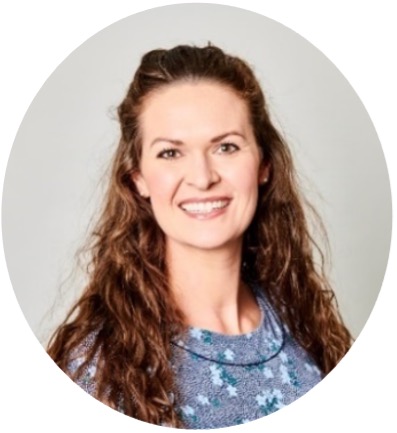
Ashleigh Stamp
‘Identifying barriers and facilitators to the use of intravenous conscious sedation
with midazolam in young people to facilitate surgical dental care.’
Learning outcomes
- Increase awareness of patterns in referral and care provision for young people in the UK and Republic of Ireland requiring surgical exposure of impacted maxillary canines
- Understand the rationale for exploring reasons behind current practice and experiences of care
- Update knowledge relating to study progress to date
Abstract
Surgical exposure and orthodontic alignment of impacted maxillary canine teeth is often undertaken when young people are aged between 12-15 years. For patients unable to accept care under local anaesthesia alone, best-practice guidelines endorse conscious sedation as an alternative to general anaesthesia, where appropriate. There is variation in the extent to which differing behavioural management/support techniques are employed to facilitate care and options available to young people and their parents can vary across the UK and Republic of Ireland.
Following on from a scoping study which identified patterns in referral and care provision, this current research sets out to explore and begin to understand reasons behind current practice. A qualitative approach (interviews and focus groups) will be employed to address two key research questions:
Which factors influence behavioural management/support techniques employed by dental professionals to facilitate surgical canine exposures for young people?
What are patient and legal guardian experiences of current care provision?
Ascertaining and exploring opinions and experiences of key stakeholders (dental professionals, patients, legal guardians) will address the above research questions and consider acceptability of differing management/support techniques. Patient groups and policy-makers are keen to implement young person-centred care to deliver the government’s vision of appropriate and tailored healthcare; with this feeding into health service reforms. At the heart of this research will be the experiences and opinions of young people, with their voices driving development of interventions designed to bring about equity in access to care.
Biography - Ashleigh Stamp
Qualifying in 2010, Ashleigh undertook posts within the community dental services and oral and maxillofacial surgery prior to working as a dental associate in primary care for a number of years. During this time Ashleigh developed a keen interest in caring for anxious patients, working within a consultant anaesthetist-led team providing standard and advanced conscious sedation for adult and paediatric dental patients; completing her Diploma in Conscious Sedation at Newcastle University in 2014.
Having been involved in undergraduate teaching on a part-time basis since 2014, Ashleigh transitioned to full time clinical academia in 2017. Ashleigh is currently undertaking a PhD (part-time) looking at how and why differing behavioural management techniques are employed to support young people receiving surgical dental care. Ashleigh continues to work within paediatric dentistry providing patient care and clinical teaching to dental and dental therapy undergraduates as well as supporting postgraduate education within the region.
In 2017 Ashleigh became a Fellow of the Higher Education Academy and in 2021 was awarded a Certificate in Advanced Studies in Academic Practice from Newcastle University. In addition to conscious sedation, Ashleigh’s teaching and research interests include examination and assessment and interprofessional education and working.